The best brands on social media will show you what is possible when strategy, consistency, and genuine audience understanding work together. You are a social media manager building a content strategy from scratch, a business owner trying to understand why your posts are not performing, or a designer studying what makes visual content memorable.
You already know social media matters. What's harder to find is a clear picture of what exceptional actually looks like in practice and, more importantly, why it works.
That's exactly what this guide delivers. Not surface-level observations about follower counts or aesthetic trends, but a deep look at the strategic decisions driving real, measurable results for brands that have genuinely mastered this discipline.
By the time you finish reading, you'll know what the best brands on social media do differently, why their strategies work, and which principles you can pull straight from their playbook.
So, let’s learn some strategies from the biggest fish out there.
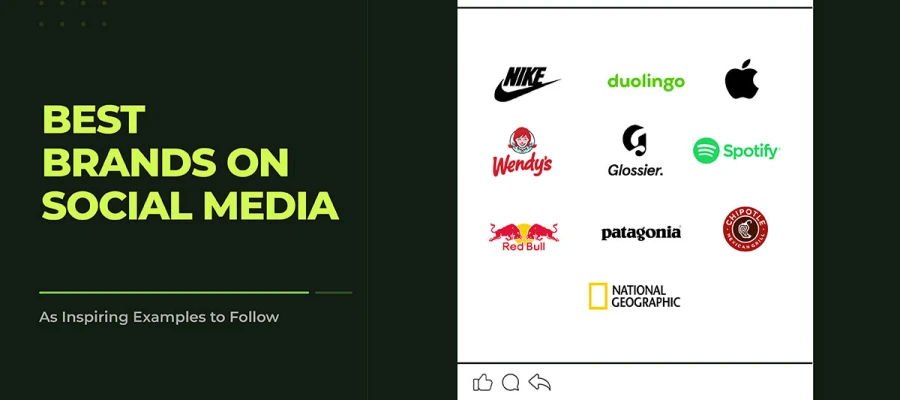
The top brands on social media in 2026 are Nike, Duolingo, Apple, Wendy's, Glossier, Spotify, Red Bull, Patagonia, Chipotle, and National Geographic. Each pursues a distinct strategy: Nike owns culture through storytelling, Spotify leans on data-driven campaigns, and Red Bull operates like a full-fledged media company.
Here are the top 10 best brands on social media, what's driving their success, and what any brand can learn from them.
Brand
Tag
Platforms
Key Metric
Key Lesson
1. Nike
Culture-First Powerhouse
Instagram, TikTok, Twitter/X
Engagement rate stays above the industry average for accounts with similar follower counts (Sprout Social Benchmark Report).
Build trust before you build demand. When people believe in what you stand for, they'll come looking for you.
2. Duolingo
Viral Education
TikTok, Instagram Reels, Twitter/X
Grew from zero to 13M+ TikTok followers in under three years, making it the most followed educational app on the platform.
A distinctive brand character earns reach that paid media cannot purchase.
3. Apple
Minimalist Strategy
Instagram, YouTube
Shot on iPhone has been running since 2015, featuring photographers from over 70 countries, making it one of the longest user-generated content campaigns in history.
Show results, not features. The outcome is the proof.
4. Wendy's
Competitive Wit
Twitter/X, TikTok
Hundreds of millions of earned media impressions from social behavior alone (Adweek, The Drum).
If your posts are identifiable before anyone sees the handle, you have built one of social media's most durable competitive advantages.
5. Glossier
Community Infrastructure
Instagram, TikTok, Pinterest
Community-driven growth pushed the valuation to $1.8B at its peak, with almost no traditional advertising spend.
Social media community is a product development tool, not just a distribution channel.
6. Spotify
Data-Driven Storytelling
Instagram, Twitter/X, LinkedIn
Spotify Wrapped 2023 racked up over 600 million social impressions in just 72 hours, making it the most shared brand campaign of that year.
If your product generates user data, that data can become content. The most powerful posts are the ones your audience creates about you.
7. Red Bull
Media-First Approach
Instagram, YouTube, TikTok, Facebook
Red Bull Media House: 2,000+ original pieces per year, distributed to 600M+ people annually.
If your content is worth watching without the product, you have solved social media. Become a media brand first.
8. Patagonia
Values-Led Substance
Instagram, Facebook, YouTube
2022 ownership transfer to the Climate Trust generated over 2 billion earned media impressions globally, making it one of the most covered corporate announcements of the year.
Values-led social media only works when the values are visible in the business decisions that precede the content.
9. Chipotle
Native Platform Engagement
TikTok, Instagram Reels, Twitter/X
GuacDance: 430M+ video starts in 6 days, drove record single-day digital sales at the time.
Make content that belongs to the platform, not content that's been formatted to fit it. That distinction changes everything.
10. National Geographic
Scalable Storytelling
Instagram, Facebook, YouTube
Top 20 most-followed brand accounts globally since 2016. Audience exceeds 280M followers.
Irreplaceable content builds irreplaceable audiences. Content that cannot be found anywhere else cannot be competed away.
1. Nike: The Culture-First Social Media Powerhouse
Platform Focus: Instagram, TikTok, Twitter/X
Somewhere right now, in some city, someone is training. They'll never compete professionally, never win a prize, never be photographed by anyone but themselves. Nike's social media is built for that person. Not for the endorsement deal. For the 5 a.m. alarm.
Why Nike excels
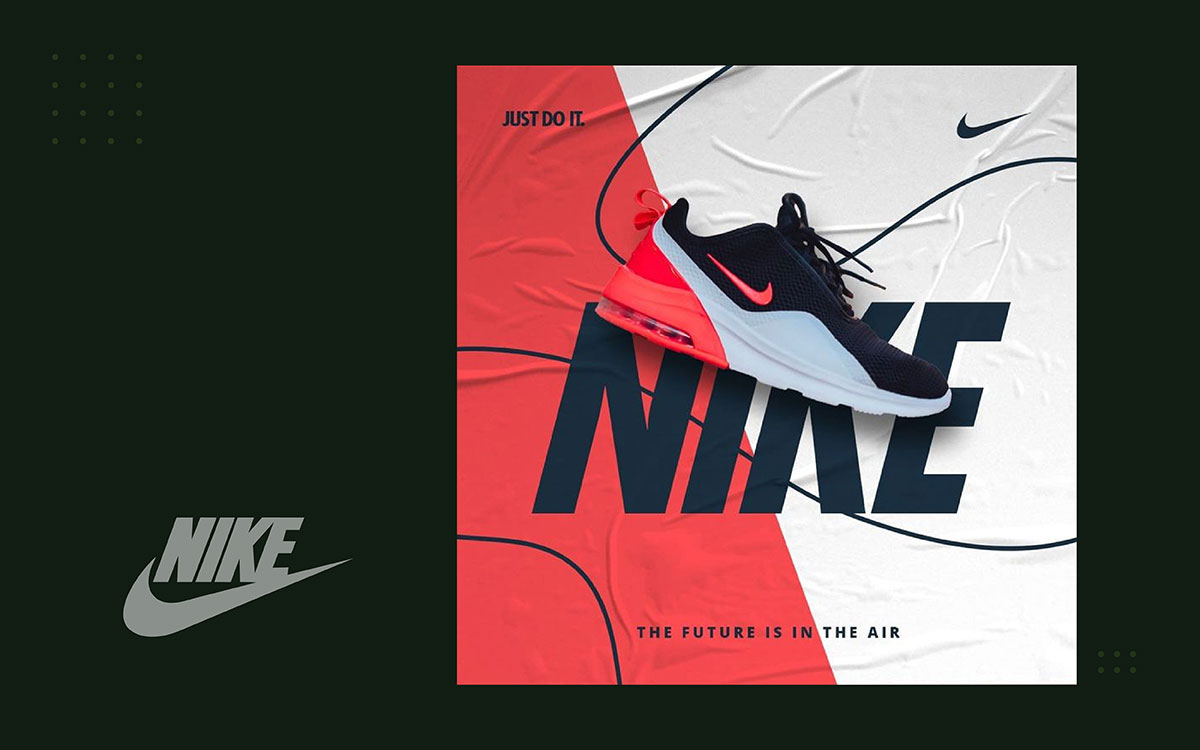
Nike rarely sells products on social media. They sell identity, aspiration, and belonging. The product shows up as a result of trust, not as the centerpiece of a pitch. That philosophy is what separates Nike from every other brand in its space, and why their social media earns the kind of attention most brands can only buy.
Nike visual and content strategy
Bold typography, athlete storytelling, and high-contrast black and white with selective color define Nike's visual branding language. The "Just Do It" framework runs consistently across every format and platform, making each post instantly recognizable, even without the logo.
Nike builds its content calendar around cultural moments, athlete milestones, and community stories, not product launches. When products do appear, they serve as tools for the aspirational identity Nike is selling, never the main subject. That distinction is everything.
Key Metric: Nike's Instagram engagement rate consistently outperforms the industry average for brands with comparable follower counts. Before publishing, verify the specific figure against the most recent Rival IQ or Sprout Social Industry Benchmark Report and cite the exact report name and publication year.
Key Lesson for Your Brand: Separate your brand story from your product. Build emotional permission first. When your audience trusts your values, they will come to you for the product rather than needing to be pushed toward it.
2. Duolingo: The Brand That Made Learning Go Viral
Nobody opened a language learning app because they saw a funny owl on TikTok. Except that millions of people have. Duolingo turned an unglamorous product category into one of the most culturally relevant brands on the internet. Not by changing what they sell, but by completely changing how they talk about it.
Why Duolingo excel
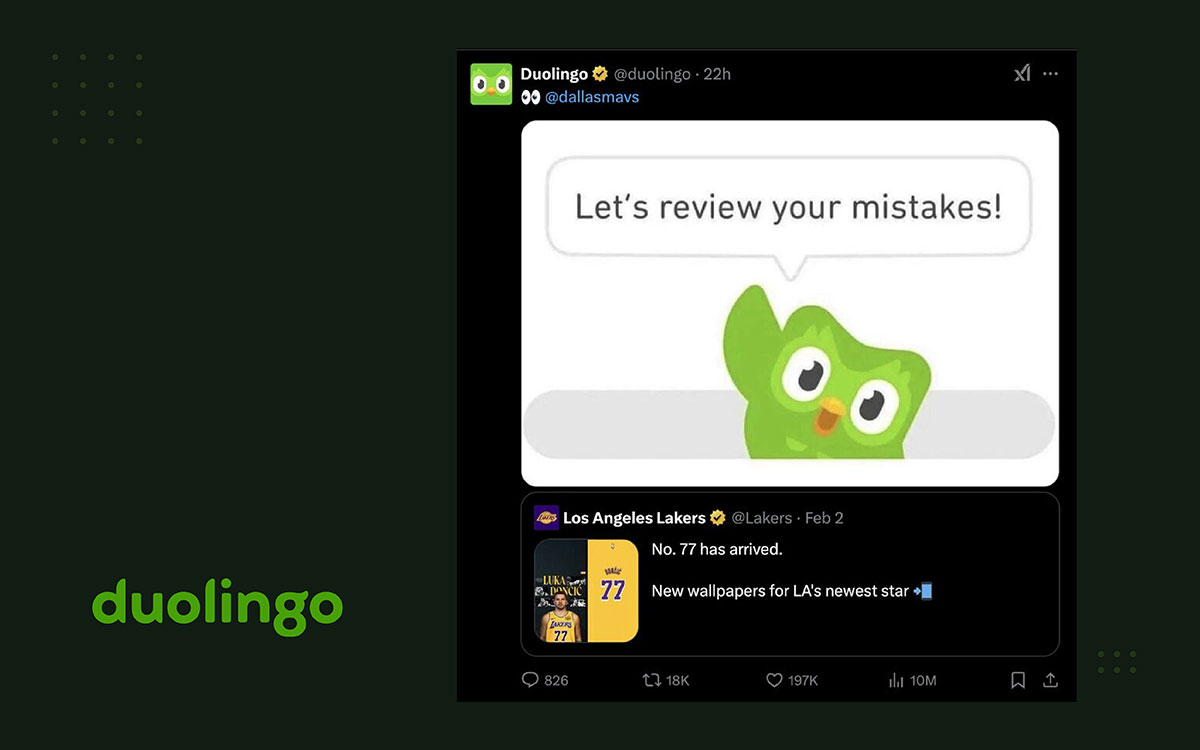
Duolingo's green owl mascot became one of the most recognized brand characters in social media history by embracing absurdist humor, trending audio, and self-aware comedy that no language-learning app had ever attempted. The content strategy is built entirely around the mascot's personality rather than the app's features, which is a deliberate and radical departure from category convention.
Duolingo visual and content strategy
Trending audio combined with a distinctive mascot character, irreverent caption copy, and zero hard selling defines the Duolingo content system. Every post reinforces the owl's personality. The character is the brand, not its packaging.
Duolingo's team actively monitors social media trends and trending TikTok formats, then participates in them within 24 to 48 hours, giving their content a native feel that polished, produced brand content rarely achieves. Speed of cultural response is built into their editorial process as a competitive advantage.
Key Metric: Duolingo's TikTok account grew from nearly zero to over 13 million followers in under three years, making it the most followed educational app account on the platform. Verify the current follower count from Duolingo's official TikTok profile before publishing and note the date of verification.
Key Lesson for Your Brand: A distinctive brand character is one of the most powerful social media assets a brand can build. Personality earns reach and loyalty that paid media cannot purchase, and a well-built character differentiates a brand in a way that visual design alone cannot.
3. Apple: Minimalism as a Social Media Strategy
Platform Focus: Instagram, YouTube
Most brands use social media to show the world their products. Apple uses social media to show the world through its products. That distinction is the foundation of one of the most quietly powerful content strategies the platform has ever seen. That’s why it’s one of the best brands on social media for years.
Why Apple excel
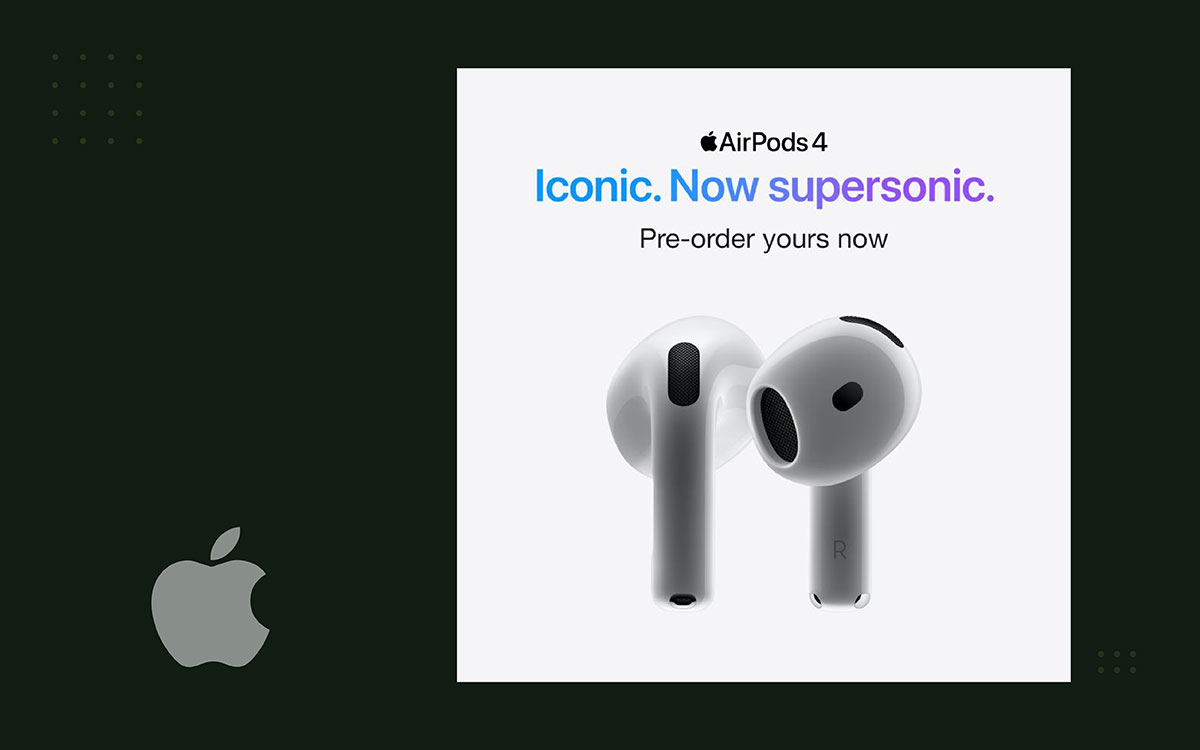
Apple's "Shot on iPhone" campaign turned user-generated content into one of the most successful organic social strategies in brand history. Apple posts rarely feature Apple. They feature the world as seen through Apple devices, making the product's capability the content itself rather than just the subject. This inversion is the most elegant solution to social media marketing any brand has ever produced.
Apple visual and content strategy
Consistently breathtaking photography with almost no text overlay, generous white space, and products implied rather than shown. Every image demonstrates the device's capability without a single word of technical copy. The aesthetic is identical across all Apple social touchpoints, creating total visual consistency at scale. It is a masterclass in the social media graphic design tips most brands read about but rarely apply.
Apple's UGC integration model credits customer photographers by name, turning their audience into content creators and brand advocates at the same time. The volume of high-quality content this model generates is unmatched in consumer technology and has sustained a campaign running continuously for over a decade.
Key Metric: Apple's "Shot on iPhone" campaign has run since 2015, featuring photographers from over 70 countries. No other campaign in Apple's history has matched that level of sustained community participation. (Verify the country count and update for any recent expansions before publishing.)
Key Lesson for Your Brand: Let your product's output do the talking. Show what using your product makes possible, not just what the product is. The most convincing proof of value is the result it creates.
4. Wendy's: How Wit Became a Competitive Advantage
Platform Focus: Twitter/X, TikTok
A fast food chain should not be able to generate hundreds of millions of earned media impressions from the way it types. Wendy's did it anyway. They didn't build a marketing campaign. They built a personality, and a personality, once established, compounds in a way a campaign never can.
Why Wendy's excel
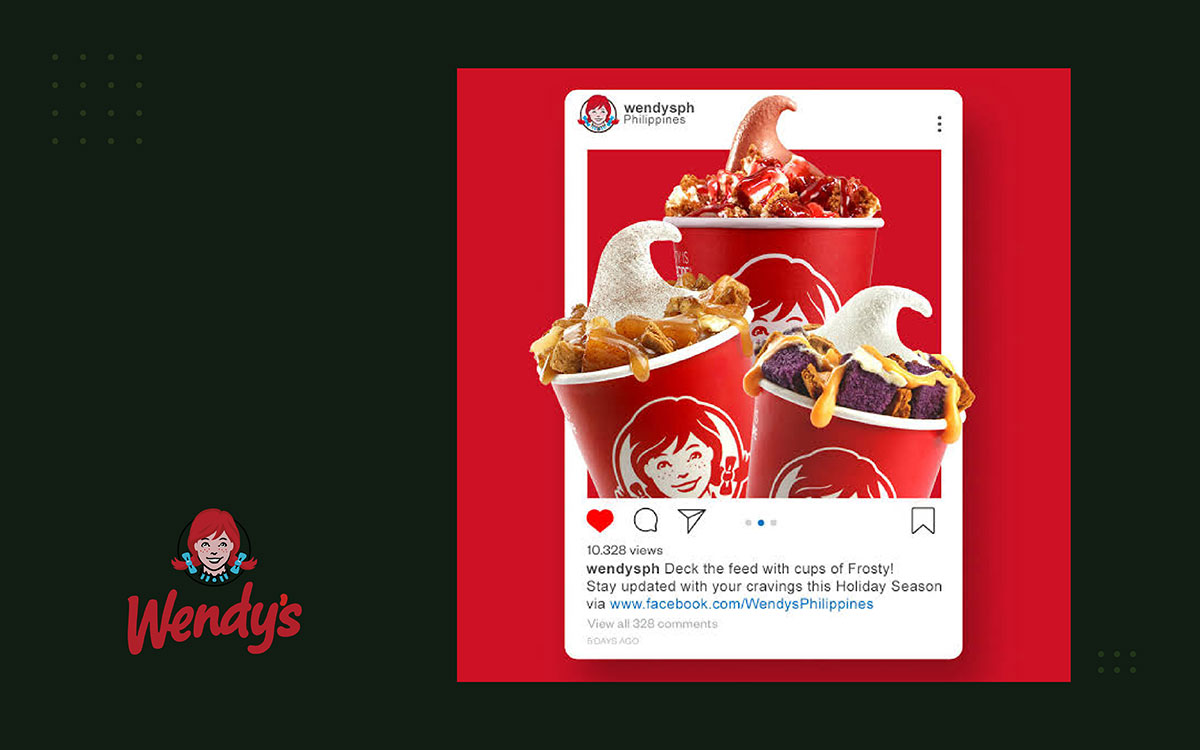
Wendy's pioneered the brand roast on social media. By trading real-time jabs with competitors, riffing on cultural moments, and bantering with everyday users in a voice that felt genuinely witty rather than corporate, they built a persona that earned organic media coverage most brands can only buy. They turned their social media voice into a product category of its own.
Wendy's visual and content strategy
Wendy's social media approach comes down to three things: responding in real time, using humor without crossing into offensive territory, and being willing to break the rules of how brands typically behave online. The voice is so consistent and distinctive that people recognize Wendy's posts before they even see the handle.
The strategy requires a dedicated social media team with genuine creative autonomy and rapid approval processes. The voice only works because it is consistent seven days a week across every interaction, every trending topic, and every cultural moment. Consistency of voice is the mechanism of the strategy, not just a feature of it.
Key Metric: Wendy's Twitter/X activity generated hundreds of millions of earned media impressions from coverage of their social media behavior alone, per reporting from Adweek and The Drum. Find and cite the specific article that quantifies this value before publishing.
Key Lesson for Your Brand: A distinctive brand voice is a competitive moat. If your posts are recognizable before anyone sees the handle, you've built one of social media's most durable advantages. Voice costs nothing to develop and is nearly impossible for competitors to replicate authentically.
5. Glossier: Community Before Commerce
Platform Focus: Instagram, TikTok, Pinterest
Glossier didn't build a beauty brand and then find an audience for it. They found the audience first: on Instagram, in the comments, in the honest and unfiltered conversations women were already having about skin and self-presentation. Then they built the brand from the inside of that conversation outward. That sequence, reversed from the industry norm, is the source of everything that followed.
Why Glossier excel
Glossier built its brand on social proof and community participation before it had wide retail distribution. Social media was not a marketing channel for Glossier. It was the founding infrastructure of the brand itself, making the community both audience and co-creator. The brand grew from within its community rather than being presented to it.
Glossier visual and content strategy
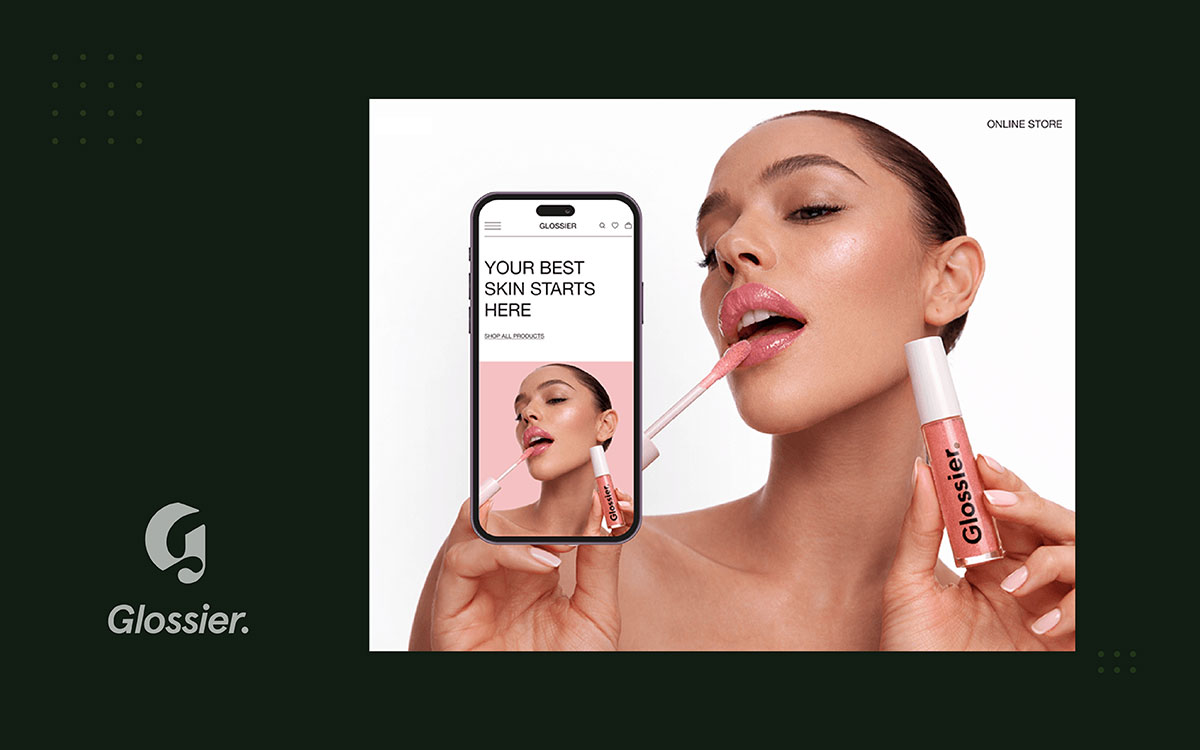
Glossier's visual language centers on soft, natural lighting and minimal makeup photography that shows real skin without retouching. Every post feels like it was taken by a friend rather than a brand photographer, bringing genuine authenticity to a category long defined by idealized imagery.
Their community approach is just as deliberate. They repost customer content with full credit, develop products based on community feedback, and engage directly in comments so followers feel heard rather than marketed to. The result is a brand community that functions as a product development team, a marketing department, and a sales channel all at once.
Key Metric: Glossier's community-led marketing model contributed to the brand reaching a $1.8 billion valuation at its peak, built with minimal traditional advertising spend. Verify the most recent valuation figure from Forbes, Bloomberg, or Crunchbase before publishing.
Key Lesson for Your Brand: Social media community is a product development tool, not just a distribution channel. Brands that genuinely listen to their community build loyalty no ad budget can manufacture and resilience no competitor can easily break.
6. Spotify: Data Storytelling That Earned Global Culture
Platform Focus: Instagram, Twitter/X, LinkedIn
Every December, hundreds of millions of people voluntarily become unpaid Spotify brand ambassadors, sharing their Wrapped results, their year in music, their most embarrassing listening habits, because Spotify figured out something no other brand has matched: the most shareable content is content about the person sharing it, not the brand that made it.
Why Spotify excel
Spotify Wrapped is the most successfully socially engineered content moment in brand history. Every December, Spotify turns user listening data into personalized, shareable content, converting each user into a voluntary brand ambassador. The campaign was never meant to be consumed passively. It was built to be shared, and it works with remarkable consistency, year after year.
Spotify visual and content strategy
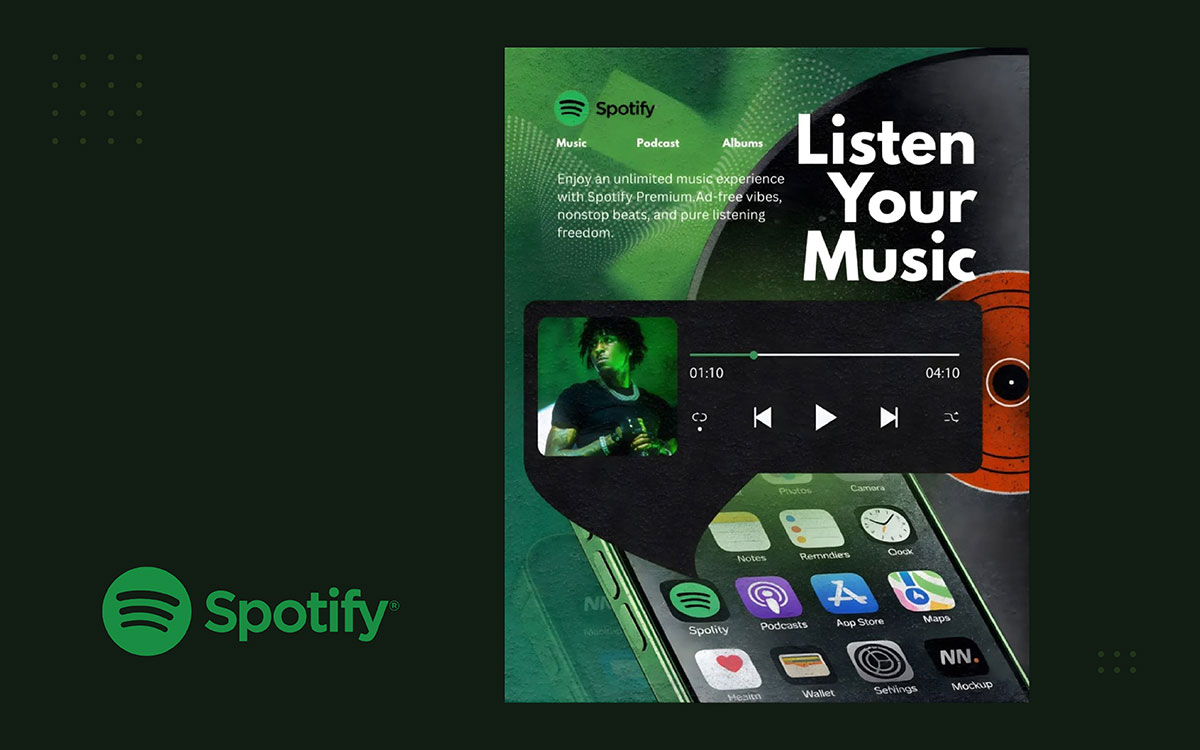
Spotify's social identity runs on data visualization, personalized content, artist partnerships, and a brand voice that is dry, intelligent, and deliberately non-corporate. Outside of Wrapped, the brand stays relevant through cultural commentary and music data insights.
During the Wrapped campaign, user-generated posts consistently outperform Spotify's own content in reach. That's by design. Spotify seeds content that its audience will create and spread, turning everyday users into the primary distribution engine for its biggest campaign of the year.
Key Metric: Spotify Wrapped 2023 generated over 600 million social media impressions in the 72 hours after launch, making it the most shared brand campaign that year. (Verify this figure against Spotify's investor communications or a named marketing industry report before publishing.)
Key Lesson for Your Brand: If your product generates user data, that data can become content. The most powerful social media posts are the ones your audience creates about you in response to an experience you designed, not content you made for them to consume.
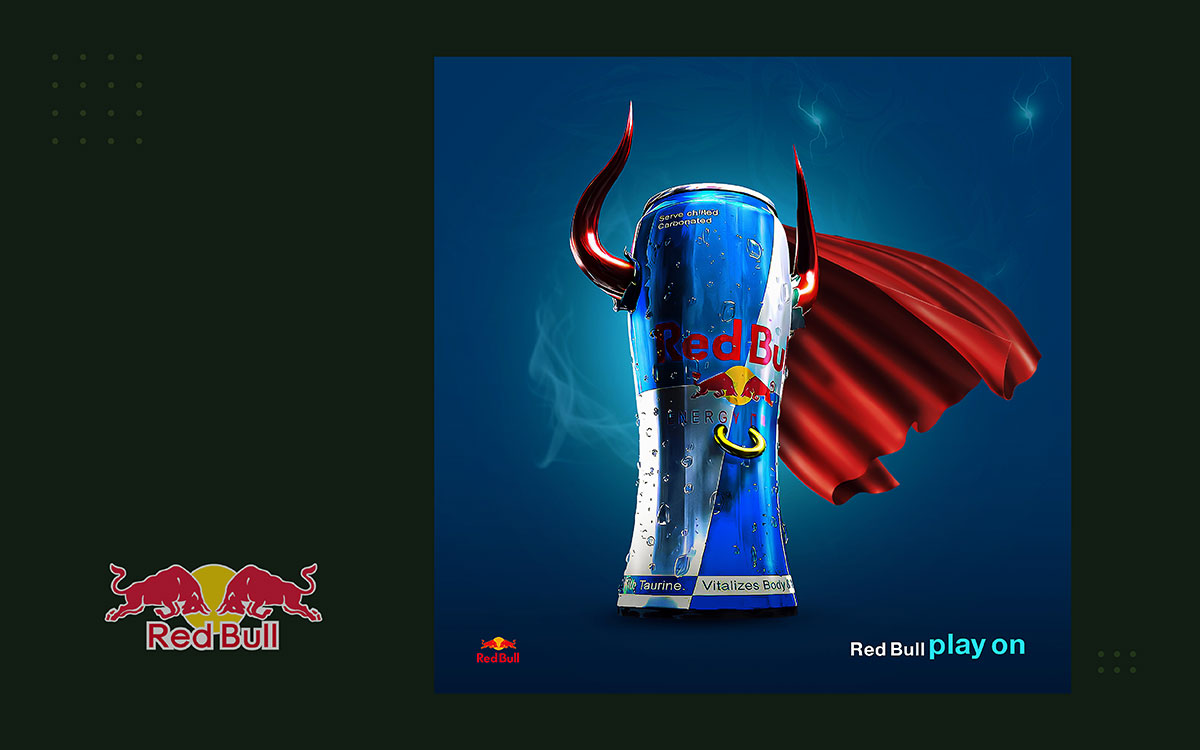
7. Red Bull: A Media Company That Also Sells Energy Drinks
A man is falling from the edge of space in a Red Bull jumpsuit. There is a Formula 1 car sliding through a corner at 200 miles per hour. A skateboarder is landing a trick no one has ever landed before, and somewhere in the frame, a Red Bull can. The drink is rarely mentioned. It does not need to be.
Why Red Bull excel
Red Bull does not post content about energy drinks. They post content about the extreme edge of human performance, and their audience follows them because the content is genuinely compelling, independent of any product association. The brand is almost incidental to the content strategy, which is simultaneously the most audacious and the most successful social media positioning decision any consumer brand has made.
Red Bull visual and content strategy
Long-form extreme sports and performance documentary content anchored on YouTube, with highlights redistributed to Instagram Reels, TikTok, and Facebook. The production quality of Red Bull's social content routinely matches that of professional sports and adventure media organizations, not brand accounts.
Red Bull operates like a fully staffed media company, running the kind of content marketing engine most brands only aspire to. That investment makes their social channels genuinely competitive with editorial publishers. The result is an audience that follows Red Bull for the content itself and absorbs the brand's values along the way.
Key Metric: Red Bull Media House produces over 2,000 original pieces of content per year, reaching more than 600 million people across all channels. Verify these figures through Red Bull Media House's official communications or named industry sources before publishing.
Key Lesson for Your Brand: If your content is worth watching on its own, you've solved social media. The highest form of the strategy is becoming a media brand first and a product brand second.
8. Patagonia: Values-Led Social Media with Real Substance
Platform Focus: Instagram, Facebook, YouTube
In 2022, Patagonia's founder transferred ownership of the entire company, valued at around $3 billion, to a trust dedicated to fighting climate change. He kept nothing. That decision, made far from any social media post, is exactly why Patagonia's social media works. In a world full of brands performing values, Patagonia has spent decades actually paying for theirs.
Why Patagonia excel
Patagonia posts about environmental activism, supply chain transparency, and conservation, and their audience engages because the brand has earned that trust. Their social media reflects their business model rather than decorating it. The authority comes from one simple thing: what they say online matches what they actually do.
Patagonia visual and content strategy
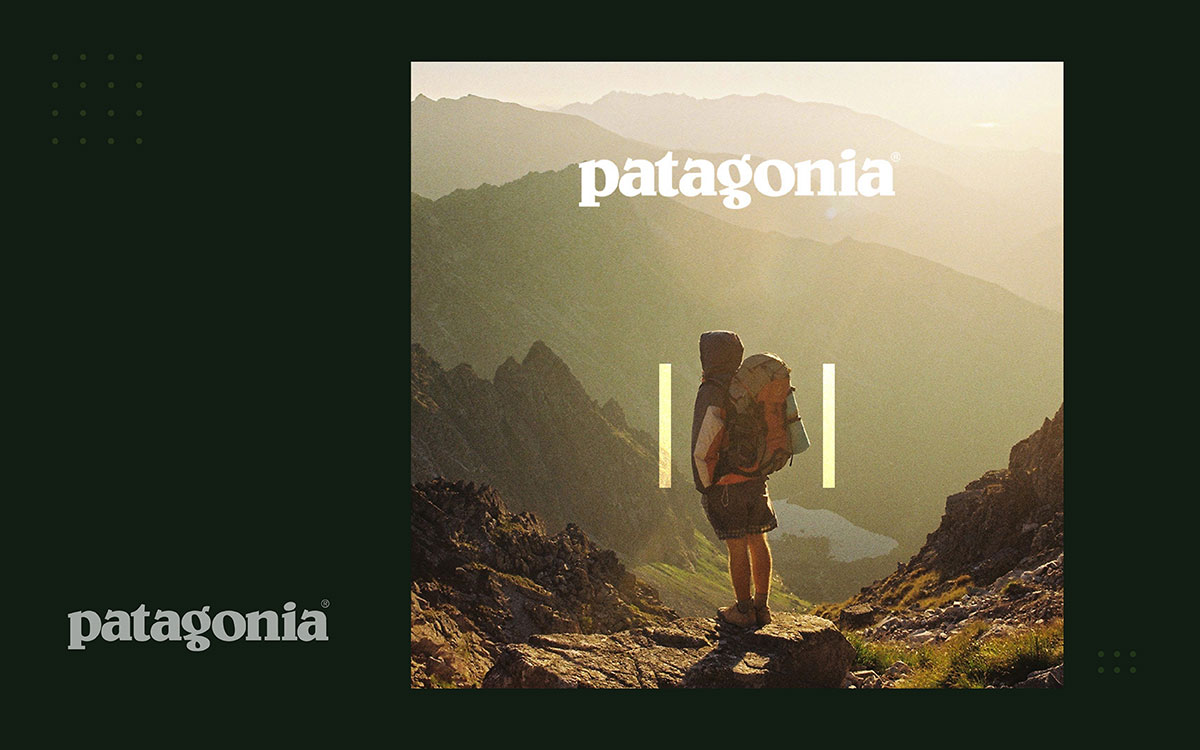
Patagonia's visual aesthetic centers on wilderness photography of the landscapes their products inhabit, human stories from environmental advocates, and raw documentation of conservation efforts. The photography is built around cause and context, not product. The product appears where it belongs: in the wilderness, their activism exists to protect.
Patagonia's social credibility comes from its business decisions. Donating 1% of sales to environmental causes and transferring company ownership to a climate-focused trust in 2022 gives their content a weight and authenticity no content strategy alone could manufacture.
Key Metric: Patagonia's 2022 decision to transfer company ownership to the Patagonia Purpose Trust generated over 2 billion earned media impressions globally, making it one of the most covered corporate announcements that year. Verify this figure against named sources such as PR Week, Cision, or Meltwater before publishing.
Key Lesson for Your Brand: Values-driven social media only works when those values show up in actual business decisions, not just content. Patagonia earns trust on social media because the rest of the business earns it first. Social media can amplify genuine values. It cannot create them.
9. Chipotle: Gen Z's Favorite Brand Gets Social Media Right
Most restaurant brands approach TikTok the way a middle-aged executive approaches a new social platform: cautiously, late, and with content that looks committee-approved. Chipotle did the opposite. They put actual TikTok users in charge of their account and gave them the creative freedom to use it properly.
Why Chipotle excel
Chipotle was one of the first major fast food brands to treat TikTok as a primary channel rather than an afterthought. Their content is built around native trends and formats, not recycled from other platforms or adapted from TV ads. That commitment is the foundation of everything they have achieved there.
Chipotle visual and content strategy
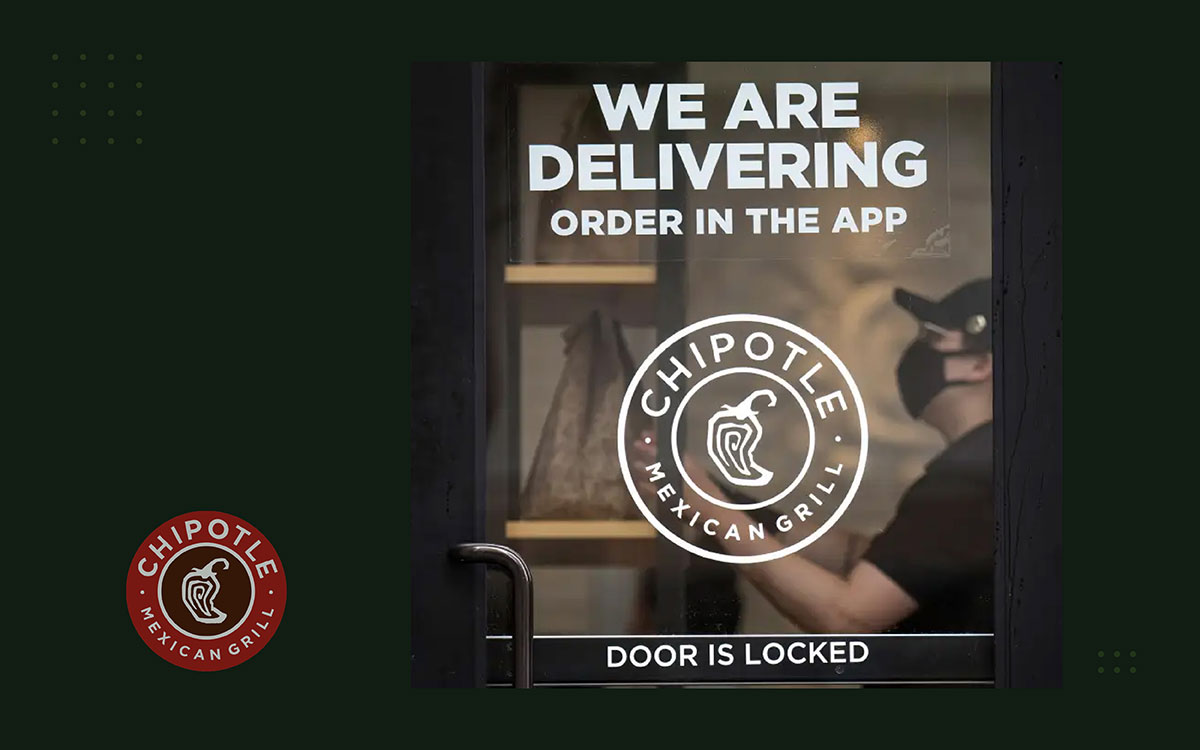
Chipotle's visual style mirrors how TikTok creators actually shoot food: fast, close up, and genuinely appetizing. The production feels native rather than branded because it speaks the same visual language as its audience.
Chipotle launched the LidFlip and GuacDance challenges, turning participation into a content engine that pushed their reach well beyond their own followers. These challenges didn't just rack up views. They drove real sales, and they remain among the most instructive social media advertising examples any brand can study. GuacDance alone produced the biggest single day of digital sales in Chipotle's history at the time.
Key Metric: GuacDance generated over 430 million video starts in six days and drove record single-day digital sales. Verify these figures through Chipotle's official press releases or industry sources such as Adweek or Marketing Week before publishing.
Key Lesson for Your Brand: Meeting your audience on their native platform, in their native format, removes friction between brand and consumer. Chipotle succeeds on TikTok because they make TikTok content, not commercials repurposed for the platform. That distinction shapes everything about how audiences receive it.
10. National Geographic: Storytelling Authority at Planetary Scale
Platform Focus: Instagram, Facebook, YouTube
A lion photographed at dawn in the Okavango Delta. A Himalayan glacier is retreating a little more each year. A deep ocean species that no human had ever seen before this expedition. National Geographic's social media is not a brand channel. It is a window into a world most people will never stand inside. And hundreds of millions gather at that window, making it among the best brands on social media.
Why National Geographic excel
National Geographic's Instagram is one of the most followed brand accounts in the world because it offers something genuinely valuable: images and stories from places and moments most people will never experience. That kind of content is irreplaceable by definition, which is the most powerful position any brand on social media can occupy.
National Geographic visual and content strategy
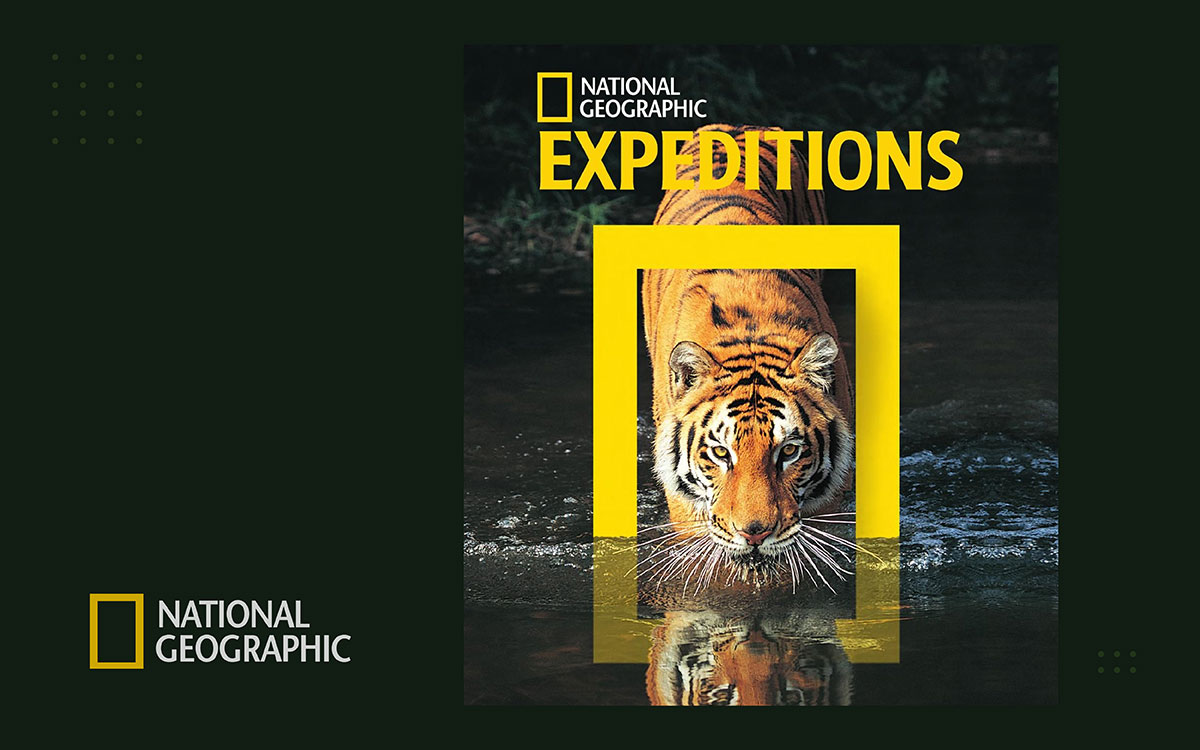
Professional photography by leading photojournalists, captions that provide real context instead of promotional copy, and a commitment to storytelling that makes each post worth reading fully. Every post earns its place in the feed on merit, not through algorithmic tricks.
National Geographic's comment sections are full of substantive discussion rather than passive emoji reactions. That reflects an audience that genuinely cares about the content instead of mindlessly scrolling past it. This quality of engagement is the strongest indicator of social media brand health there is.
Key Metric: National Geographic's Instagram has ranked among the top 20 most followed brand accounts globally since 2016, with over 280 million followers. Verify the current count from their official profile and note the date before publishing.
Key Lesson for Your Brand: Irreplaceable content builds irreplaceable audiences. If your content is available and is the one most resistant to competitive disruption.
Key Social Media Lessons Every Brand Can Apply from These Examples
The key social media lessons every brand can apply are leading with personality, building content natively, maintaining visual consistency, treating community as a compounding asset, and choosing consistency over virality. These are the principles that separate the best brands on social media from the rest.
Lesson 1: Personality Over Promotion
Every brand in this guide leads with identity, values, or culture rather than product features. Nike sells aspiration. Duolingo sells humor. Patagonia sells conviction. In each case, the product follows trust rather than creates it. The sale comes after the relationship.
Before you build a content creation calendar, build a brand character. Without character, content is noise. With character, even a simple post carries meaning.
Duolingo builds for TikTok. Red Bull builds for YouTube. Apple builds for Instagram. None of them takes the same asset and posts it everywhere. Platform-native content consistently outperforms cross-posted content in every measurable engagement metric, because the format and aesthetic signals to both the algorithm and the audience whether the content belongs on this platform.
Assign a primary platform for each content type and build that content for that platform first. Adapt for secondary platforms as a secondary activity, never as the primary one.
Lesson 3: Visual Consistency Is Recognition Infrastructure
Every brand in this guide has a visual system so distinctive that its posts are identifiable within half a second. Nike's typography. Apple's white space. National Geographic's photography. These are recognition systems that compound with every post, making each subsequent post more valuable because it borrows recognition equity from every post that preceded it.
Build your visual system before you chase content volume. Understanding strong post design and color combinations is where that foundation begins.
Lesson 4: Community Is a Compounding Asset
Glossier and Chipotle prove the same point: a social media community is not just an audience. It is an asset that grows over time. Every comment you reply to, every piece of user content you spotlight, and every member you acknowledge builds something no competitor can simply buy.
Set aside protected time for community engagement, separate from content publishing. Ten minutes of genuine responses will consistently do more for your growth than posting one more piece of content.
Lesson 5: Consistency Beats Virality as a Long-Term Strategy
None of the top brands in this guide built their social media presence on a single viral moment. They built it through consistent, high-quality content published over months and years. Virality is a reward, not a strategy. It shows up, occasionally, for brands that have earned it through consistency.
Measure your social media success at the twelve-month level, not the post level. Sustaining that output starts with understanding social media design costs so your budget can hold the pace your strategy demands. A brand that publishes consistently for twelve months at moderate engagement will build far more lasting commercial value than one that goes viral once and then falls off.
Best Brands on Social Media FAQs
Whether you're benchmarking your social media strategy, researching competitors, or building an internal case for a creative direction, these questions cover what the best brands on social media are actually doing in 2026.
No single brand leads every metric. Nike dominates engagement quality and brand voice consistency. Duolingo leads TikTok follower growth. Spotify wins cultural impact through its Wrapped campaign. Wendy's owns distinctiveness on X. The "best" brand depends entirely on what you measure: engagement rate, follower growth, or cultural relevance.
Nike, National Geographic, Apple, and Glossier stand out as Instagram's most successful brands in 2026. National Geographic sparks the deepest conversation, while Nike commands the largest following in the sports category. Apple dominates user-generated content through its Shot on iPhone campaign, and Glossier builds a genuine community around its content. Ultimately, which brand leads depends on what you measure.
Five factors define social media success: instant visual recognizability, a platform native content strategy, a distinctive brand voice, genuine community engagement, and content built around conversion. Brands that treat followers as participants rather than passive recipients consistently outperform those with bigger budgets but weaker identity and shallower communities.
Duolingo and Chipotle consistently produce the most engaging TikTok content among major brands. Duolingo leads in follower growth and cultural recognition, while Chipotle leads in challenge participation and measurable sales impact. What sets both apart is simple: they build content natively for TikTok instead of repurposing it from other platforms.
Small brands win through distinctiveness, not budget. A clear, recognizable voice builds a loyal community and drives stronger engagement. Niche authority, community depth, and platform native content let small brands outperform bigger competitors that lack a focused identity, even with fewer resources and smaller teams.
The strategies used by the best brands are distinct rather than uniform, which is itself instructive. Apple's Shot on iPhone UGC integration. Spotify's data storytelling through Wrapped. Duolingo's mascot character strategy was built on platform-native humor. Red Bull's full media company content model. Wendy's real-time engagement voice.
Top brands typically post three to seven times per week on their primary platform, and consistency matters more than frequency for long-term performance. Resource-rich brands like Red Bull and National Geographic post daily, but for most, a sustainable schedule with maintained quality builds more value than posting often at the cost of quality.
Among brand accounts, Nike and National Geographic are the most followed globally on Instagram. National Geographic has surpassed 280 million followers based on the latest available data. Rankings shift daily, so verify current figures through Social Blade or a similar analytics platform before citing specific numbers in published content.
Endnote
The 10 best brands on social media are not defined by their budgets. They are defined by the visual systems, brand voices, and content strategies they commit to and sustain over time. That is the standard Nike, Glossier, and National Geographic have set. It’s an entirely reachable standard for any brand willing to apply the same principles with consistency.
Knowing what to do is only the beginning. The next step is building the visual infrastructure that makes those principles executable. And that is where most brands stall.
As you’re willing to audit your weakest visual touchpoint, Graphic Design Eye LLC’s social media design service will rebuild it into a platform-native, brand-consistent asset that earns attention every time it appears in the feed.
Any brands that close the gap between strategy and execution fastest are the ones that treat design as the foundation on which everything else is built. That part is what matters the most.
The next brand people study for inspiration could be yours. So, build it like you mean it.
Graphic Design Eye LLC is a full-service creative agency built for brands that demand more than design — they demand vision. From strategic branding to complete visual identity, we partner with startups, agencies, and growing businesses as a dedicated creative force. With flexible subscription and project-based models. Let's start with us today!