The social media trends reshaping 2026 point to a single, structural reality: social media is no longer a broadcast channel. It is simultaneously a search engine, a commerce hub, and a community space, and the brands that treat it as any one of these things exclusively are falling behind those that understand all three. We’ve covered the 10 most important shifts backed by verified data, with what is driving each one and a single actionable step for every trend.
There is a version of social media strategy that used to work.
Post frequently. Chase followers. Optimize for reach. Measure impressions and call it success. For a certain period, these were reasonable approximations of what the discipline required. The platforms were growing, attention was abundant, and the barrier to audience-building was low enough that effort alone could produce results.
That version of social media strategy no longer works. And the businesses still following it are not just leaving results on the table. They are actively losing ground to a class of brands that understands what the social media trends of 2026 have made possible, and is building toward those possibilities with the same rigor they bring to any other commercial discipline.
There are 5.66 billion active social media users worldwide in 2026. The typical user hops between 6.75 different platforms every month. People now spend over 2.5 hours daily on social platforms, and they use them for more than social connection. They use them to find products. To search for answers. To make purchasing decisions. To evaluate brands. If you want to understand how those decisions start, begin with social media post design ideas, because the visual content behind those decisions is changing just as fast as the behavior driving them.
This guide names the 10 trends that are actually reshaping the discipline in 2026, sources every claim, and gives each trend a concrete action that a business can take this week.
The social media trends below are not predictions. They are observations drawn from verified 2026 data, sourced from Sprout Social, Hootsuite, Metricool, Nielsen IQ, and platform-specific reports published this year.
Each one reflects a shift that is already underway in how audiences behave, how algorithms reward content, and how brands earn the attention they are competing for. Some of them will feel familiar. A few will require a change in how you think about social media entirely.
All of them have a direct commercial implication, and each trend closes with a single actionable step that can be taken this week.
#
Trend
Key Stat
Source
01
Short-Form Video Reaches Feature Parity
YouTube Shorts: 70B daily views; 70% of engagement on <60s video
Sprout Social / PostEverywhere
02
Social Search Replaces Google for Discovery
41% of Gen Z search social before Google
Sprout Social Q2 2025
03
AI Becomes Workflow Infrastructure
96% of social pros use AI; 52% concerned about undisclosed AI content
Metricool / Sprout Social Q3 2025
04
Authenticity Outperforms Production Quality
55% of users trust brands with human-generated content more
Gen X: highest purchasing power; cozy/calming cross-demographic
Hootsuite / Nielsen IQ
09
Creator Marketing Matures From Reach to ROI
Micro-creators outperform mega-influencers on engagement and conversion
Hootsuite 2026
10
Social Listening Becomes Real-Time Brand Intelligence
67% of Gen Z cite social as a top-3 news source
Sprout Social Q1 2026
The following section details the ten pivotal social media trends currently impacting both video and image-based content strategies.
01. Short-Form Video Reaches Feature Parity Across All Platforms
The story of short-form video in 2026 is no longer about TikTok. It is about the fact that every major platform now offers the same basic experience: vertical video, in-app editing, algorithmic distribution to non-followers, and a feed that rewards content quality over account size.
YouTube Shorts has surpassed 70 billion daily views. Over 70% of all social engagement now happens on videos under 60 seconds. TikTok users spend an average of 58 minutes per day on the app. What changed in 2026 is that short-form reached feature parity across all platforms simultaneously. A single vertical video can now be adapted for TikTok, Instagram Reels, YouTube Shorts, LinkedIn, and Threads with minimal additional effort.
A single vertical video can now be adapted for TikTok, Instagram Reels, YouTube Shorts, LinkedIn, and Threads with minimal additional effort. The visual quality of those posts, the motion, the typography, and the brand consistency are where competitive advantage is being built, which is why investing in a dedicated social media design service has moved from optional to foundational. And for brands exploring animated formats, motion design has become one of the most differentiated content investments a brand can make on short-form.
Key Stat: YouTube Shorts surpassed 70B daily views. Over 70% of social engagement is on videos under 60 seconds. TikTok average session: 58 min/day.
What Changed in 2026: Every major platform now supports vertical video with algorithmic distribution to non-followers. Short-form is no longer a TikTok differentiator.
Distribution Opportunity: One vertical video adapted for five platforms in a single workflow is the most efficient content investment in 2026.
Format Guidance: Instagram Reels 15–90 seconds. TikTok 3 seconds to 10 minutes. Optimal engagement is 15–60 seconds across all platforms.
Long-form is Not Dead: Short-form hooks and builds reach. Long-form builds authority and converts. The most successful strategies use both in deliberate sequence.
Actionable Step: Build a video-first content calendar. Produce one vertical video per week, adapted for all platforms before adding any other content type.
02. Social Search Replaces Google for Discovery
Forty-one percent of Gen Z now turn to social media before Google when looking for information. Over 60% of product discovery now happens on social platforms rather than search engines. TikTok, Instagram, and YouTube have become primary search engines for a generation that grew up treating video as the natural format for learning, discovering, and deciding.
For brands, the practical implication is direct: social SEO is now a parallel discipline to Google SEO, and every piece of content that is not optimized for platform-specific discovery is invisible to an entire search layer.
Key Stat: 41% of Gen Z turn to social before Google. Over 60% of product discovery now happens on social platforms (Sprout Social Q2 2025).
What is Happening: TikTok, Instagram, and YouTube function as primary search engines for product research, how-to queries, and local discovery.
Why it Matters: Brands that optimize only for Google miss an entire discovery layer where product decisions are being made daily.
Platform Leaders: TikTok leads for Gen Z search. YouTube dominates how-to discovery. Instagram is strongest for product and brand discovery.
Content Implication: Captions, hashtags, video titles, and descriptions must be keyword-optimized for each platform's own search algorithm.
Actionable Step: Audit existing content for social search keywords. Treat every video caption as an SEO asset, not just a label.
03. AI Becomes Workflow Infrastructure, Not a Novelty
Ninety-six percent of social media professionals already use AI for social media work. Seven in ten use it daily. Seventy-nine percent say AI helps them create more content in less time. These figures describe a discipline that has already transformed.
The tension is commercially significant: while 96% of professionals have adopted AI as a workflow tool, 56% of social users report seeing AI-generated content often or very often in their feeds, and trust is declining. Fifty-two percent of social users are concerned about brands posting AI content without disclosure. If you are evaluating which creative partners are building genuine human expertise versus relying entirely on automation, reviewing the landscape of social media design companies is a practical starting point.
Key Stat: 96% of social media professionals use AI. 7 in 10 use it daily. 52% of users concerned about undisclosed AI content (Sprout Social Q3 2025).
The Shift: AI has moved from experimental novelty to default workflow. Ideation, content variants, targeting, and optimization are now AI-assisted by default.
The Consumer Tension: Trust in AI-generated content is declining as volume increases. Brands that maintain human voice in high-trust contexts are pulling ahead.
The Disclosure Gap: 52% of social users are concerned about undisclosed AI-generated content (Sprout Social Q3 2025).
What Changes: The human role shifts from content production to strategic guidance: directing AI, ensuring quality, and maintaining an authentic brand voice.
Actionable Step: Use AI for research, scheduling, and variants. Reserve human-created content for thought leadership, community response, and trust-critical moments.
04. Authenticity Outperforms Production Quality
Fifty-five percent of social users say they trust brands more that publish human-generated content. Nearly a third of consumers are less likely to choose a brand whose advertising is AI-generated without disclosure. Employee-generated content, founder-voice videos, and behind-the-scenes footage are consistently outperforming professionally produced creative on organic reach metrics.
The brand challenge in 2026 is not to choose between quality and authenticity. It is to build a brand identity strong enough to allow creative experimentation without losing coherence. That coherence comes from the foundations of branding design, the visual language, the colour system, the typographic voice, that holds the brand together even when the content format is deliberately raw and imperfect.
Key Stat: 55% of social users trust brands more that publish human-generated content. Nearly a third are less likely to choose brands using undisclosed AI ads (Sprout Social 2026).
The Consumer Backlash: As AI content floods feeds, audiences seek raw, imperfect, human content. Overproduction is now a trust signal against the brand.
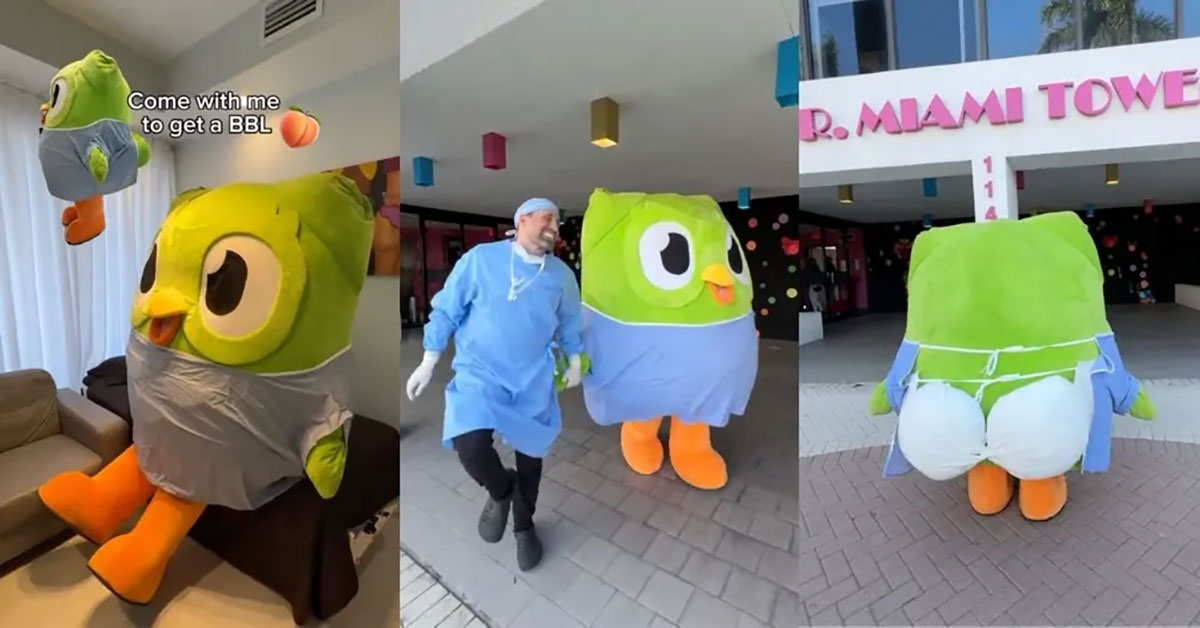
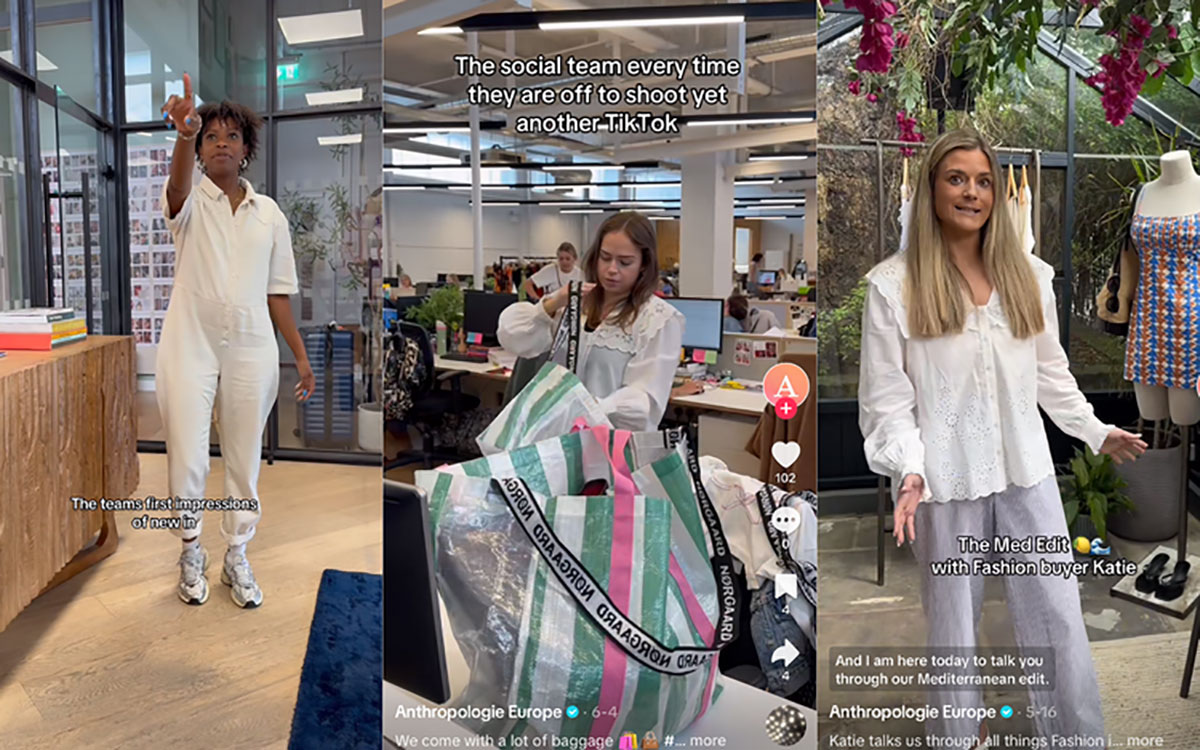
What Performs: Employee-generated content, behind-the-scenes footage, founder-voice posts, and unscripted video outperform polished ad-style content.
Platform Context: TikTok rewards authenticity over production. LinkedIn's creative era favors personal voice. Instagram Reels rewards relatable over aspirational.
The Brand Challenge: Defining what 'authentic' means for a brand without losing consistency requires a strong core identity that can hold through creative experimentation.
Actionable Step: Introduce one employee-generated or founder-voice post per week. Measure engagement against produced content over 30 days.
In 2026, follower count is a vanity metric. The brands winning on social media are not the ones with the largest audiences. They are the ones with the most engaged ones.
Seventy-five percent of social users agree brands should reply within 24 hours. Users who receive no response say they will buy from a competitor. Pinterest provides the most instructive example: impressions fell 58.99% year over year while engagement rose 25.90%. A smaller, more aligned audience outperformed a larger, disengaged one at every commercially meaningful metric. If you are new to the underlying principles of why this matters, social media content creation lays the foundation clearly and is worth reading before building a community-first strategy.
Key Stat: 75% of users expect brand replies within 24 hours. Pinterest: impressions −58.99% YoY, engagement +25.90%. A smaller, aligned audience outperforms a larger, disengaged one (Metricool 2026).
The Metrics Shift: Follower count is no longer a reliable indicator of brand health. Engagement depth, community activity, and repeat interaction are the new signals.
The Pinterest Example: Impressions dropped 58.99% YoY but engagement rose 25.90%. A smaller, aligned audience outperforms a larger, disengaged one (Metricool 2026).
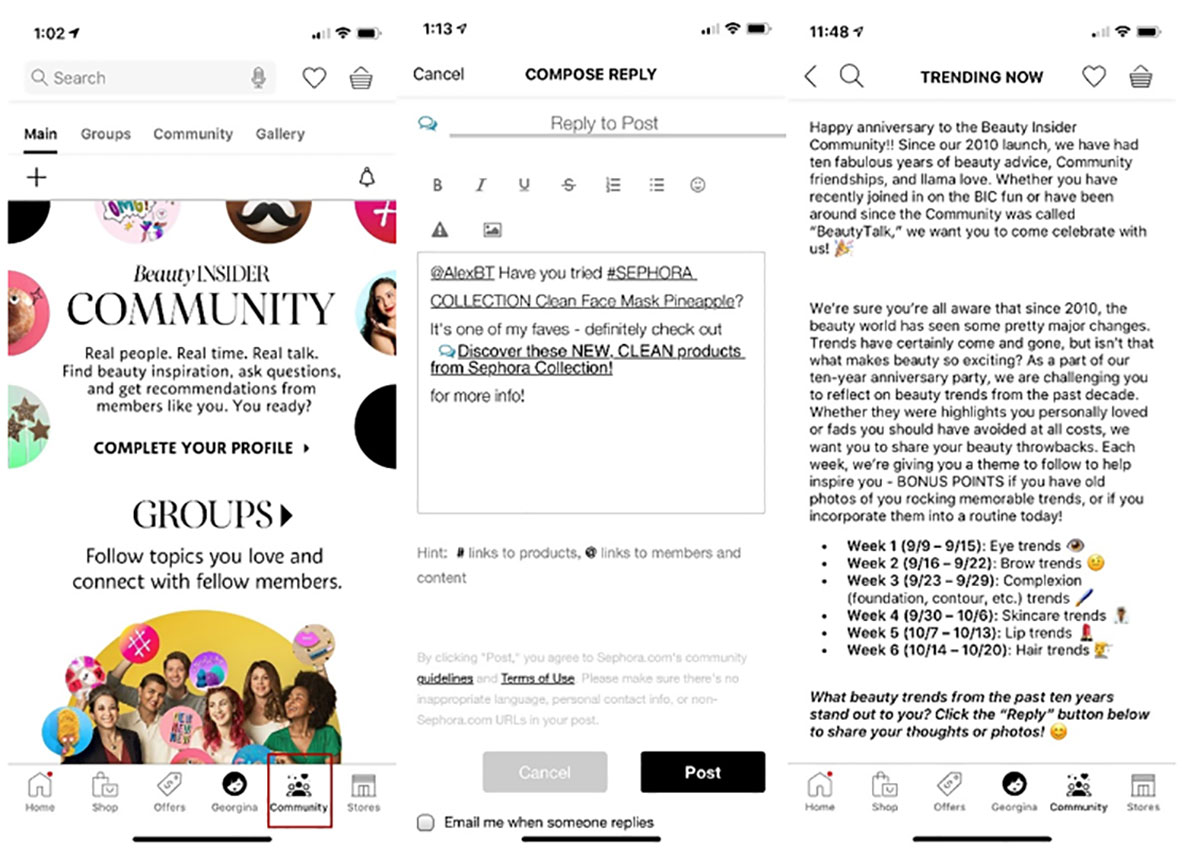
What Gen Z Wants: Sprout Q4 2025: Gen Z wants brands to prioritize smaller, intimate spaces like broadcast channels and DMs over public broadcast content.
Platform Opportunities: LinkedIn broadcast channels, Instagram Close Friends, WhatsApp Communities, and Discord servers are all growing as brand community tools.
Actionable Step: Launch one private community channel this quarter. Measure retention and engagement quality against public content over 60 days.
06. Social Commerce Becomes a Full Purchase Channel
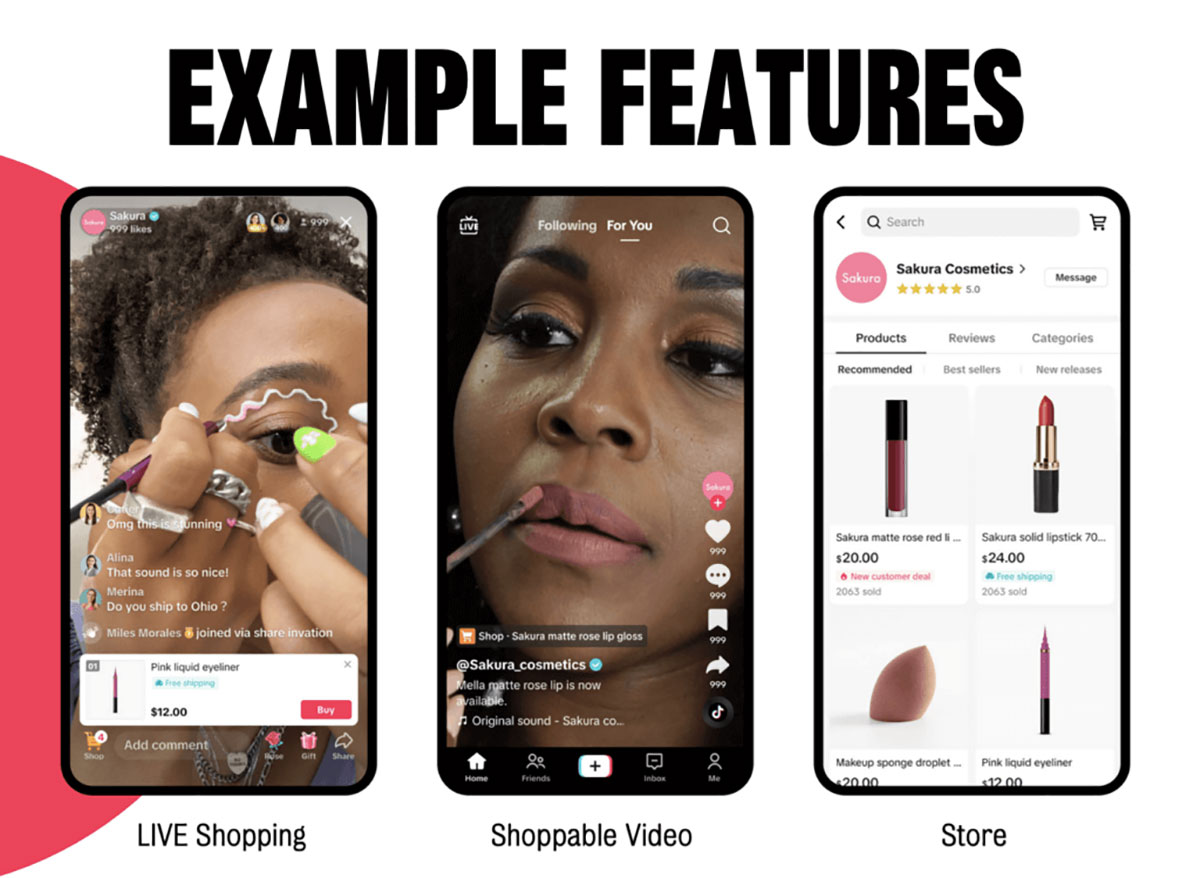
Social commerce, the ability to discover, evaluate, and purchase without leaving a social platform, has become a complete purchase channel in 2026. Global social media ad spend is projected to hit $219 billion, representing nearly one-third of total digital advertising expenditure. That spending is growing at 10.9% annually.
Instagram Shopping, TikTok Shop, and Pinterest buyable pins have eliminated the friction of the external redirect for an increasing proportion of purchase journeys. The creative work that drives those in-platform sales, the ad formats, the product visuals, the scroll-stopping design, is precisely where advertising design makes its commercial case most clearly. For brands in consumer categories, the question is no longer whether to integrate social commerce but how quickly the integration can be made seamless enough to capture the conversion already happening on these platforms.
Key Stat: Global social media ad spend projected at $219 billion in 2026, nearly one-third of total digital ad spend. Growing 10.9% annually through 2030.
What is Happening: Discovery, consideration, and purchase now complete within a single social feed. Instagram Shopping, TikTok Shop, and Pinterest buyable pins eliminate the need to leave the platform.
Consumer Behavior: Facebook is the #1 platform for product discovery: 39% of consumers use it to find new products.
The Frictionless Advantage: Every additional step between discovery and purchase costs sales. Brands that reduce steps see measurably higher conversion rates.
Platform-Specific Commerce: TikTok Shop for impulse purchases and Gen Z. Instagram Shopping for lifestyle and fashion. Pinterest for high-intent home and lifestyle categories.
Actionable Step: Activate native shopping on the platform where your audience discovers products. Remove the redirect to an external site wherever purchase intent is highest.
7. Long-Form Content Makes a Strategic Return
A Metricool 2026 Social Media Study prediction captures the emerging counter-trend precisely: 'We will see a strong shift toward slower social media. More long-form videos on YouTube, a return to blogging, and a rise in creators who offer calm. After five years of short, fast videos and a wave of AI-generated content, people are looking for a more human rhythm and authentic storytelling.'
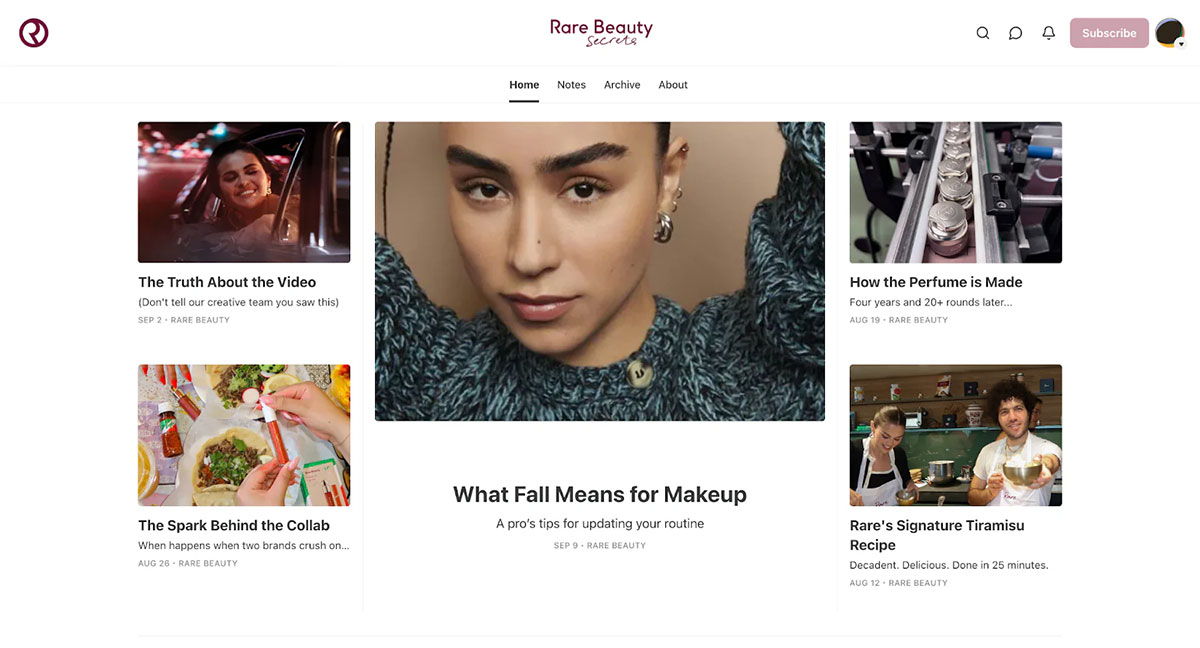
YouTube maintains 2.7 billion monthly active users. Hootsuite cites LinkedIn and Substack as the top two platforms to experiment with for brands seeking depth and authority. These platforms serve an appetite that short-form cannot satisfy: the appetite for genuine expertise, unhurried perspective, and trust built over real time. Long-form visual content, the kind of deeply researched infographic design that earns shares and backlinks, or the structured thought leadership that only a mature content marketing strategy produces, is the format through which that authority compounds.
Key Stat: YouTube 2.7B MAU globally. LinkedIn and Substack cited as top platforms to experiment with in 2026 (Hootsuite). 'Slower social' trend emerging.
YouTube: 2.7B MAU globally. LinkedIn and Substack cited as top platforms to experiment with in 2026 (Hootsuite). 'Slower social' trend emerging.
The Counter-Trend: Audiences are seeking 'slower social': long-form videos, deep newsletters, and substantive creators who offer what short-form cannot: depth.
Why It Works Now: Short-form is so saturated that long-form stands out. It offers genuine expertise, trust, and authority that cannot be compressed.
Platform Leaders: YouTube for video authority. LinkedIn for professional long-form. Substack for newsletter communities. Podcasts for audio-first audiences.
The Dual Strategy: Short-form builds reach. Long-form converts audiences into loyal customers. The most effective brands deploy both in deliberate sequence.
Actionable Step: Identify one topic where your brand has genuine depth. Publish one long-form piece monthly. Promote it through short-form clips.
One of the most consequential strategic errors a brand can make on social media in 2026 is treating its audience as a single entity. Ninety percent of consumers rely on platforms to keep up with social media trends. Gen Z spends an average of three hours daily on social, the highest of any age group. And Gen X, the most commercially overlooked generation in digital marketing, has the highest purchasing power of any demographic group currently active on social platforms.
The visual language that connects with each generation is as distinct as their platform preferences. Just as the famous fashion logos that built lasting brand recognition understood their target audience's cultural vocabulary, the brands winning in 2026 are those that match their design language to the generation they are actually speaking to, not the one they assume is watching.
Key Stat: 90% of consumers use social for trends. Gen Z: 3 hours/day, highest of any group. Gen X: highest purchasing power. 'Cozy/calming' content performs across all demographics (Hootsuite/Nielsen IQ).
The Generational Split: Gen Alpha: absurdist chaos culture. Gen Z: work-life balance. Millennials: community and nostalgia. Gen X: 1970s/80s cultural references (Hootsuite/Nielsen IQ).
The Platform Map: Gen Z on TikTok and Instagram. Millennials on Instagram and LinkedIn. Gen X on Facebook and YouTube. Boomers predominantly on Facebook.
The Averlooked Opportunity: Gen X has the highest purchasing power and receives the least targeted social media content. Brands that create for them encounter significantly less competition.
Cross-Demographic Signal: 'Cozy' and 'calming' content themes are performing strongly across all generational lines in 2026 (Hootsuite/Nielsen IQ).
Actionable Step: Identify your primary demographic. Map their platform preference and cultural vocabulary. Build platform-specific content that speaks their language.
9. Creator Marketing Matures From Reach to ROI
The influencer marketing industry spent several years growing fast and measuring loosely. In 2026, that era is over. The defining shift is the move from one-time activations to sustained partnerships, and from mega-influencers to micro-creators who consistently outperform on engagement rate, trust metrics, and conversion because their audiences are more aligned and more inclined to act on peer recommendations.
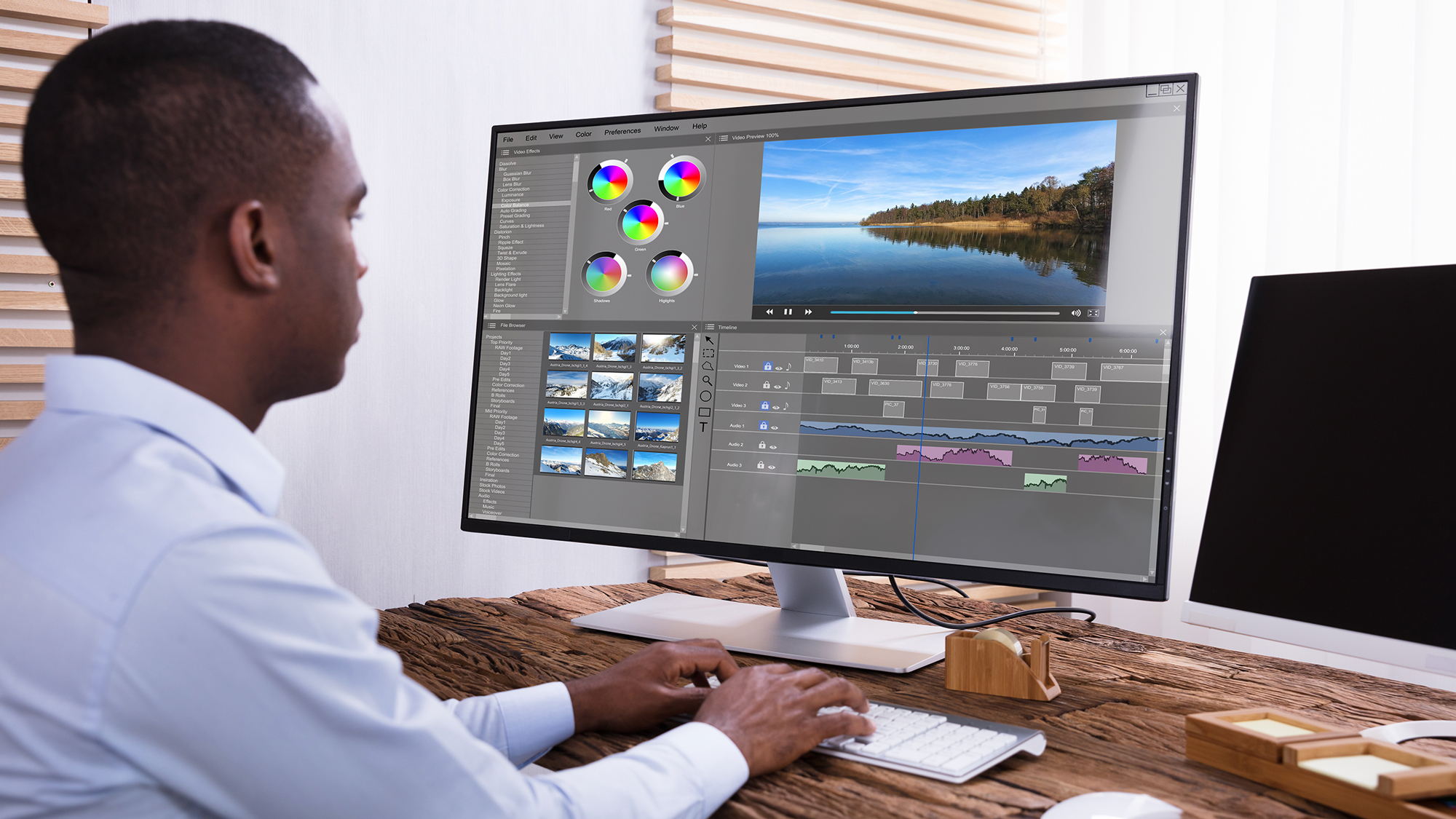
Employee advocacy is the quietest and most underutilized creator strategy available. Internal employees as creators produce content that performs authentically because it is authentic. The production quality of that content, the editing, the pacing, the visual consistency are what separate a polished employee story from an amateurish one, which is where a professional video editing service earns its place in a creator strategy.
Key Stat: In 2026, ROI is the defining factor of creator partnerships. Micro-creators (10K–100K) outperform mega-influencers on engagement, trust, and conversion (Hootsuite 2026).
The Maturity Shift: Brands are moving from one-time influencer activations to sustained creator partnerships built on genuine audience alignment.
Micro Over Mega: Micro-creators (10K–100K followers) consistently outperform mega-influencers on engagement rate, trust metrics, and conversion.
Employee Advocacy Rising: Internal employees as creators produce content that performs authentically because it is authentic — one of the fastest-growing strategies in 2026.
UGC Becomes Strategic: User-generated content is now a formal channel with its own brief, collection system, and performance metrics.
Actionable Step: Audit existing creator partnerships against ROI metrics. Shift budget toward 3–5 sustained micro-creator relationships with measurable conversion goals.
10. Social Listening Becomes Real-Time Brand Intelligence
For most of its history, social listening was a retrospective discipline. Brands completed a campaign, ran a sentiment report, and adjusted the next campaign accordingly. In 2026, that timeline has collapsed.
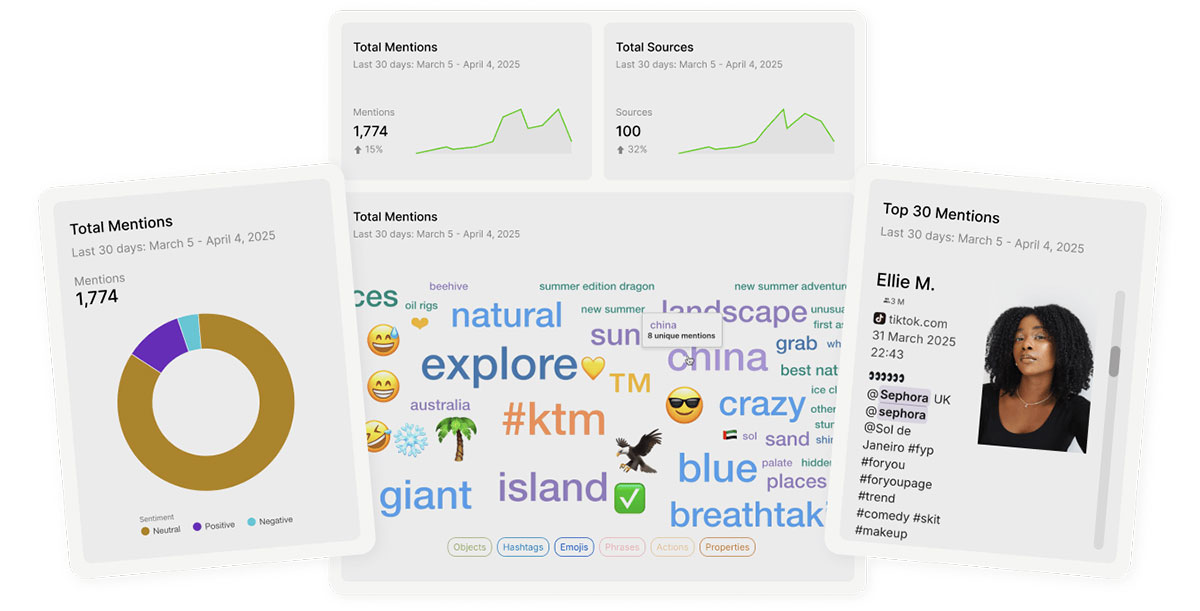
Social media is now the most common source of news for almost half the global population. Sixty-seven percent of Gen Z and 61% of Millennials cite social media as one of their top three news sources. AI-powered listening tools now surface these signals in near real time, allowing brands to anticipate social media trends before they peak, track competitor moves before they reach mainstream visibility, and adapt messaging in response to cultural shifts as they are forming.
Key Stat: Social is now the #1 news source for almost half the global population. 67% of Gen Z and 61% of Millennials cite social as a top-3 news source (Sprout Q1 2026).
What Changed: Social listening has evolved from a post-campaign review tool to a real-time intelligence layer. Brands can now anticipate trends before they peak.
The AI Upgrade: AI-powered listening tools surface micro-shifts in sentiment, competitor moves, and audience language in near real time.
First-Party Data Opportunity: Social platforms are becoming the primary source of consent-based first-party intent data as third-party data availability declines.
News and Trust: Brands in proximity to active news cycles gain significant organic visibility. Social is now the primary news layer for under-40 demographics.
Actionable Step: Implement a social listening tool with AI capability. Set brand, competitor, and category alerts. Review signals weekly to inform content decisions.
5 Strategic Shifts Every Brand Needs to Make Based on the 2026 Trends
The ten trends above are not independent phenomena. They are symptoms of a single structural shift in how social media works and what it demands. Understanding the social media trends driving each one makes the five strategic changes below not optional additions but the prerequisite conditions for acting on any of them successfully.
1) Shift from broadcasting to belonging
Design content that invites participation, not just consumption. Every piece of content should answer the question: does this give my audience a reason to engage, respond, or share?
2) Treat social as a search engine
Every piece of content must now be optimized for both Google and the platform's own search algorithm. These are two separate but equally important discovery layers.
3) Use AI for scale, humans for trust
AI handles research, scheduling, and content variants. Human voice handles thought leadership, community response, and the brand authenticity moments that no algorithm can generate.
4) Choose depth over breadth
Two platforms executed with genuine engagement consistently outperform seven platforms executed with broadcast-only content. The competitive advantage in 2026 belongs to brands that go deep rather than wide.
5) Measure outcomes, not outputs
Follower count and impressions are the metrics of a broadcast model. Community engagement rate, social commerce conversion, lead quality, and repeat interaction are the metrics of a belonging model.
Social Media Trends FAQs
Every answer below opens directly with the response. Direct answers are what the search queries behind these questions require.
The biggest social media trends in 2026 are social search replacing Google for product discovery, AI becoming default workflow infrastructure while consumer trust in AI content declines, authenticity outperforming production quality, community-first marketing replacing follower growth as the primary metric, and social commerce completing the full purchase journey within the platform. All five are symptoms of a single underlying shift: audiences in 2026 are more selective, more skeptical, and harder to reach with broadcast-only strategies than at any previous point in social media's history.
Social search is the practice of using TikTok, Instagram, and YouTube as primary search engines for product research, how-to queries, and local discovery. It matters because 41% of Gen Z now turn to social media before Google when searching for information, and over 60% of product discovery currently happens on social platforms. Brands that optimize content only for Google are invisible to an entire discovery layer where purchasing decisions, particularly among under-35 consumers, are now being made.
Yes. Short-form video remains the highest-engagement format across all major social platforms, with YouTube Shorts surpassing 70 billion daily views and TikTok users spending an average of 58 minutes per day on the app. What changed in 2026 is that short-form has reached feature parity across all platforms. The most effective content strategy uses short-form to build reach and long-form to convert that reach into lasting audience relationships.
AI is now the default workflow for 96% of social media professionals, handling content ideation, scheduling, and optimization at a scale no manual process can match. However, consumer trust in AI-generated content is declining as its volume increases, making human voice more commercially valuable, not less. The most effective brands use AI for scale and humans for trust, drawing a clear line between content that can be generated efficiently and content that must be created authentically.
Authenticity in 2026 means content that feels created by a real person with genuine expertise, experience, or point of view. Employee-generated content, founder-voice videos, and unscripted behind-the-scenes footage consistently outperform polished ad-style content on organic reach across every major platform. Fifty-five percent of social users say they trust brands more that publish human-generated content. The bar for authentic has risen in direct proportion to the volume of AI-generated content in feeds.
Social commerce is now a primary purchase channel, not a supplementary one. Global social media ad spend is projected at $219 billion in 2026, representing nearly one-third of total digital ad spend. Instagram Shopping, TikTok Shop, and Pinterest buyable pins allow the full purchase journey to complete without leaving the platform. Every redirect to an external website costs conversions at the moment of highest purchase intent, and the brands eliminating that friction are seeing measurably higher conversion rates.
Yes, but the strategy has fundamentally matured. The most effective influencer marketing in 2026 is built on sustained partnerships with micro-creators (10K–100K followers) measured by ROI rather than reach. Long-term creator relationships produce more authentic content and more measurable commercial results than one-time mega-influencer activations, which audiences have become increasingly skilled at recognizing and discounting as obvious paid placements.
Endnote
The top 10 social media trends in this guide share a single root cause, and understanding it is more useful than memorizing the trends themselves.
Audiences in 2026 are more selective, more skeptical, and more capable of distinguishing genuine value from manufactured presence than at any previous point in social media's history. They have been trained by years of algorithmically optimized content to recognize what is designed to perform and discount what is designed to sell. They are not unreachable. But they are no longer reachable by the same approaches that worked when social media was younger and less saturated.
The brands that are winning are the ones that have genuinely changed their relationship with the audience: from broadcaster to participant, from vendor to community member, from producer to contributor. That change is not a tactic. It is a strategic commitment, and it takes time to produce the compounding returns that make it worthwhile.
Do not act on all ten trends at once. Identify the two or three that most directly affect your current audience behavior and your current business goals. Commit to them for 90 days. Measure community engagement and social commerce conversion rather than reach and impressions.
The brands that win on social media in 2026 are not the ones producing the most content. They are the ones producing the most useful content for the specific people who were already looking for it.
Ready to build social media content that reflects the quality and authority of your brand? Contact Graphic Design Eye LLC to look at how strategic design and creative direction make your content worth stopping for. The feed moves fast. The brands remembered are the ones that gave the audience a reason to stop.
Graphic Design Eye LLC is a full-service creative agency built for brands that demand more than design — they demand vision. From strategic branding to complete visual identity, we partner with startups, agencies, and growing businesses as a dedicated creative force. With flexible subscription and project-based models. Let's start with us today!