Why is your nonprofit not known in your local community? Usually, it's not the work that's the problem. It's the nonprofit's local visibility. Weak branding, unclear messaging, no local media, poor local search results, and outreach that only reaches current supporters keep good organizations hidden. This guide covers seven reasons behind that gap. It also gives five simple, low-cost ways to fix it, plus a 90-day plan to act on them. Fix the visibility, and recognition follows.
Most nonprofits think recognition just happens once the work is good enough. But communities don't find organizations through good intentions. They notice the same signals, again and again, until a name and mission finally stick. Without those signals, even the best programs stay invisible to the people they serve, the exact gap covered in how to build nonprofit brand recognition from scratch.
You've been doing the work. Real work. The kind that changes things for people in your city, your neighborhood, your zip code. You have the programs. The staff. The mission document, the annual report, the five-year plan. Yet when you mention your organization's name at a community event, you get the look. The polite, slightly sorry look that says: never heard of you.
This guide shows exactly where that gap comes from. More importantly, it shows how to promote nonprofit in local community without a marketing budget. You'll find seven reasons your organization might go unnoticed locally, each with a simple fix. Then five practical strategies for nonprofits with limited resources, laid out in a 90-day plan you can start this week.
By the end, you won't just know why recognition has been slow. You'll know what to do next. So, without further ado, let’s begin.
Why your nonprofit is not known in your local community
Many nonprofits go unnoticed in their own community. Not because their work doesn't matter, but because being seen takes real effort. Weak branding, unclear messaging, poor local SEO, and few events all quietly hurt recognition. This guide covers 7 common reasons why your nonprofit is not known in your local community, and simple ways to fix them.
If you think your nonprofit has any of these issues, keep on reading.
Reason 1: No Consistent Visual Identity to Anchor Recognition
A nonprofit without a steady visual identity looks like a new organization every time people see it. So the community never builds up the repeated impression that turns a stranger into someone who knows you.
Local recognition comes from seeing the same signals again and again: the same logo, colors, fonts, and image style. On every flyer, social post, event banner, email, and staff car magnet. When these signals keep changing, each encounter starts over instead of building toward recognition.
Think about the groups in your community that people actually know. The food bank with the orange logo on grocery store bins, on volunteers' shirts at events, on yard signs during their yearly campaign, and on posts the local news shares. This consistency isn't an accident. It comes from one visual identity choice, used everywhere, long enough that people started to recognize it on their own.
How to Change It
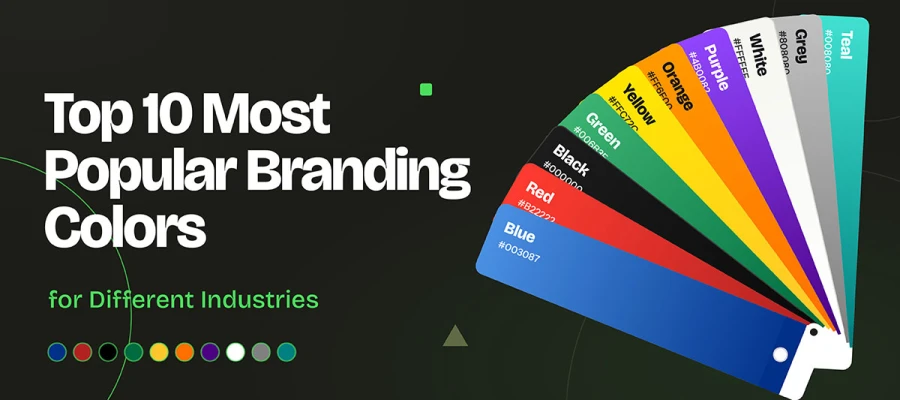
Make a one-page guide before your next event or post, the same foundational branding design work every local campaign depends on. List the exact hex codes for your two or three colors. Add your two fonts, your logo versions, and your photo style.
This is the base of any nonprofit branding strategy that wants local recognition. Use it on every piece of community material, no exceptions. People remember you when you stay consistent, not when you look random. If you look different each time, people won't recognize you.
Reason 2: A Message Nobody Outside the Organization Understands
A nonprofit that describes itself with jargon or internal language is talking to itself. It says nothing to the people it wants to reach. And this is one of the main reasons why your nonprofit is not known in your local community.
Go up to someone on your community's main street. Tell them your organization's tagline. Not a supporter. Not a board member. A stranger who knows nothing about the group. Ask them what the organization does and who it helps. If they can't answer in one sentence, the message isn't working in the community. It only works inside the organization, a much smaller group.
Organizations known in their communities pass this street test. "We make sure no child in this city goes to school without breakfast." "We connect older adults who live alone with weekly visits from trained volunteers." "We provide free legal support to families facing eviction." These messages are clear and simple. A stranger understands them right away. They say who is helped and what changes for them; in one sentence, a stranger can repeat after hearing it once.
How to Change It
Try the stranger test on your message. Show five strangers your homepage or latest flyer. Ask what your organization does. If fewer than four answer correctly, rewrite it. Do this before spending more on outreach. Clarity must come before recognition. If people don't understand you, they can't tell others about you.
Reason 3: No Presence in Local Media and Community Publications
A nonprofit that's never been in the local paper, the community newsletter, the neighborhood Facebook group, local radio, or regional news online is missing the most trusted way to reach its community, especially without an ad budget.
Local media coverage isn't just publicity, it's content marketing at its most trusted form. It's proof the community trusts you. When a neighbor reads about a group in the paper or hears about it on local radio, it sends a message: this group is real, it works in your area, and a trusted local source vouches for it. You can't buy that kind of trust with ads. You earn it by building a relationship with local media, starting with being available, newsworthy, and quick to respond.
Nonprofits rarely struggle to get local coverage because editors don't want their stories. Local journalists, bloggers, and newsletter editors are always looking for local stories. The real problem is most nonprofits never reach out. They don't keep a media contact list, don't send story pitches regularly, and don't have one person in charge of answering press questions within a day. So they end up doing real, newsworthy work that never shows up in the places their community actually reads.
How to Change It
Build a media list of five to ten outlets: the regional newspaper, the neighborhood newsletter, the local radio station, the community Facebook group, and any local online publication. Find a contact name at each one. Pitch one story a month. Have a press kit ready first, so a journalist who says yes never has to ask for a photo or bio. Track your response rates and improve your pitch each time.
Local media isn't waiting for you to get famous. It's waiting for your call.
Reason 4: A Website That Does Not Appear in Local Search Results
When people search for nonprofits or volunteer work in your city, and your group doesn't show up, no one finds you. That's the biggest free source of new awareness you're missing.
Local SEO means making your website show up in local searches. Nonprofits rarely use it well. Most nonprofit sites talk to supporters they already have, not new ones. They skip the city name in headlines and text. They don't claim a Google Business Profile. They don't answer the questions locals are actually searching.
Most Google searches have local intent. Right now, people nearby are searching for your programs, the people you help, and ways to volunteer or donate. If your site doesn't mention your city and services in titles and text, those searches lead to other groups instead. Local SEO isn't a tech project. It's about content: does your site speak the way your community searches?
How to Change It
Add the city and service to the homepage title, meta description, and the first paragraph of the about page. Set up a free Google Business Profile if you don't have one, and verify the address. Write one blog post or FAQ page that answers a question locals might search, like how to get food help in your city, or free youth programs there. These three steps take under a day and boost local search visibility over the coming months.
Reason 5: No Community Partnerships or Cross-Promotions
A nonprofit that stays cut off from the local community loses its best tool: a trusted referral from someone the community already knows. This is why your nonprofit is not known in your local community.
Local businesses, schools, faith groups, libraries, community centers, clinics, and other nonprofits already know the people you want to reach. A referral from any of them carries real trust. A coffee shop that posts your flyer introduces you to every customer who reads it. A principal who mentions you at a parent night introduces you to every parent there.
Partnership doesn't need a formal agreement or joint program. It starts with a simple ask: we serve families here, would you share our flyer with your customers? Or: we offer free tutoring for your students, can we leave info with your counselors? Most local groups say yes to a request this small. The problem is most nonprofits never ask.
How to Change It
Find ten local groups the community already trusts. Think school, barbershop, pharmacy, library, community center, place of worship, pediatrician's office, gym, corner store, and community garden.
Ask each one for something small. A flyer on their wall. A mention in their newsletter. A share on social media. Or a joint event. Talk to one group a week for ten weeks. That gives you ten warm intros to the people you want to reach.
Your community already trusts these groups. Borrow that trust through partnership.
Reason 6: No Visible Presence at Local Events and Public Spaces
A nonprofit that skips the block party, farmers market, school fair, health day, or city parade misses every chance for face-to-face recognition.
Being seen in person matters differently than being seen online. When someone spots a banner at the Saturday farmers market, plus a volunteer in a branded shirt handing out flyers, that sticks in a way a social media post never could. It feels real, human, and local. A neighbor who sees the group at the market, then spots its logo on a yard sign next month, builds recognition faster than any online channel could.
You don't need a big budget for this. A folding table, a branded tablecloth, a banner, some flyers, two volunteers in matching shirts, and a one-line explanation of what you do is enough to make a strong impression at almost any local event. The cost is small. The recognition it builds, especially at events you return to again and again, is not.
How to Change It
Find five local events your community goes to often: the weekly farmers market, the monthly community fair, the school open day, the neighborhood meeting, the annual festival. Show up to each one at least twice a year with the same branding. Take photos each time for social media. After three appearances, longtime attendees will start recognizing your organization before anyone introduces it.
People trust organizations they've seen before. Show up where they gather.
Reason 7: Social Media Content That Talks to Existing Followers Only
Some nonprofits only post updates for people who already support them. That mixes up donor communication with community outreach. These are different audiences. They need different content and different ways to reach people.
Most nonprofit social media posts program updates, event news, volunteer thank yous, staff shoutouts, and donation asks. This works well for people who already support the group. But it does nothing for the many people who don't follow the account yet. The algorithm won't show this content to non-followers unless current followers engage with it a lot. And posts made for existing supporters rarely get enough shares, comments, and saves to reach new people.
Content that reaches new people looks different. It connects emotionally with people who don't know the organization yet. It looks striking enough to stop someone who's never seen the brand before. It gives people a reason to share it beyond just supporting the group. Think of a video showing a surprising local impact. An infographic revealing a local need people didn't know about. A story about one local person that makes a neighbor feel seen. This is what builds local recognition on social media. It needs its own content plan, separate from the donor calendar.
How to Change It
Check the last 30 days of social media posts. Count how many would interest someone who's never heard of the organization, versus posts mainly for current supporters. If fewer than one in three posts targets new people, your strategy builds loyalty, not visibility. Redesign one post each week to reach new people, not just supporters, applying the same social media design thinking that turns a donor update into something a stranger would share.
Talking to your followers grows engagement. Talking to your community grows your reach.
5 Local visibility strategies that work for nonprofits with limited budgets
Nonprofits on tight budgets can still build strong local visibility with free or cheap tools. This guide covers five ways to do it: claim free local listings, start a community ambassador program, publish hyperlocal content, boost local visual presence, and keep a steady local PR rhythm. It's all organized into a 90-day plan any small team can follow.
Phase
Focus
Actions to Complete
Days 1 to 30
Fix the foundation
Build your one-page visual identity guide. Test your message on a stranger and rewrite it if it fails. Claim every free local listing, starting with Google Business Profile.
Days 31 to 60
Become discoverable
Add the city and service to the homepage title, meta description, and about page. Publish the first local content piece. Build the local media list and send the first monthly story pitch.
Days 61 to 90
Build the relationships
Have one partnership talk each week. Get the first five community ambassadors on board. Set up a branded spot at two regular local events. Redo one social post each week to boost discovery.
Ongoing
Keep the rhythm
One story pitch a month. One local post a month. One Google Business Profile update a month. An ambassador briefing every quarter. Keep the same look everywhere, always.
01. Claim and Optimize Every Free Local Listing
Google Business Profile, Charity Navigator, Candid, Facebook Places, and local directories are free tools. Most nonprofits never claim them, or leave them unfinished.
A complete Google Business Profile can land you in Google's local pack. That's the map results above regular search results. It's the best free spot in local search.
A full profile needs your exact address, phone number, website, hours, and a category description. Add ten photos of your work and space. Reply to every review. Post something new each month.
The same goes for every other free listing. An unfinished listing wastes free visibility.
Quick win: Spend one day claiming and finishing every free listing. Set a monthly reminder to add a new photo and post. One afternoon of work pays off for years.
02. Build a Community Ambassador Program
The most powerful local tool a nonprofit has is a trusted community member vouching for it to people they know. An ambassador program formalizes this. It recruits 10 to 20 locals, business owners, faith leaders, teachers, coaches, and active community members, who agree to introduce the organization to their networks. In return, they get regular updates and recognition.
Ambassadors don't need to raise money. They just share the organization's story with people they know. A teacher who mentions it at a PTA meeting reaches every parent there. A barbershop owner who puts a flyer in the window reaches every customer waiting for a haircut. A faith leader who mentions it during announcements reaches the whole congregation. These introductions are warm, trusted, and free.
Quick win: Recruit the first five ambassadors from current volunteers and donors. Give them a one-page guide covering the organization's name, what it does in one sentence, who it serves, and how to introduce it to someone new. Hold a quarterly update event to share impactful news they can pass along.
03. Publish Hyperlocal Content That Serves the Community
The best local SEO move for nonprofits is also the best way to help the community. Publish content that answers what local people are actually searching for, even if it doesn't promote the group's programs directly. Say a food bank posts a guide to every food help resource in the city, even ones from other groups. That makes it the community's top source for food help info. It earns trust and search visibility just by being useful.
Hyperlocal content doesn't need to be long or complicated. A one-page FAQ answering the five questions people ask most about the issue. A list of local resources tied to the cause. A quarterly update on local need, using city-specific numbers. Each piece, posted on the group's website, becomes a searchable, shareable local asset that builds trust over time.
Quick win: Publish one piece of hyperlocal content each month for six months. Put the city name in the headline, meta title, and first paragraph. Share each piece with local media, community Facebook groups, and partner groups serving the same area.
04. Invest in Local Visual Presence: Signage, T-Shirts, and Branded Materials
Physical branding in the community, like a logo on a building, a name on a garden fence, a volunteer's T-shirt, or a yard sign, builds recognition that digital presence can't match. People see the logo in real life, in their neighborhood, tied to people they know. That builds trust over time.
A small investment in physical materials, like banners, branded T-shirts, yard signs, and clear signage at your location, brings in more recognition than it costs. A supporter with your yard sign is publicly backing you to every neighbor who walks by.
Quick win: Order 20 branded T-shirts for volunteers. Run a yard sign campaign during your next awareness push: offer supporters a free sign and help setting it up. Make sure your building has clear, professional signage with your logo, name, and a short line about what you do.
05. Create a Local PR Rhythm: One Story Per Month
Local media coverage doesn't happen by accident or all at once. It builds through steady story pitching that trains local journalists to see the organization as a reliable, interesting source. One real story pitch a month, kept up for 12 months, brings more local coverage than one press release sent to a generic list at a big campaign launch.
The monthly pitch follows a simple format: one paragraph on the story, one reason it matters to the local community, one named person or program at its center, and a contact name and phone number. Send it to five to ten local media contacts on the list. Not every pitch gets picked up. But over 12 months, enough will land to build real local presence and community recognition, at no cost beyond time.
Quick win: Write the first monthly pitch this week. Pick the story that feels most specific, local, and human: one person, one change, one local tie. Send it to the local paper's community desk editor and the neighborhood newsletter editor. Follow up once by phone five days later.
Local nonprofit visibility FAQs
Nonprofits often ask the same things about why your nonprofit is not known in your local community yet, how long it takes, and whether you need a big budget. This FAQ covers the most common questions about building local awareness, including timelines, costs, and the first step every group should take.
A local community usually doesn't know a nonprofit exists. Its look isn't consistent. Its message needs background knowledge to get. It has no local media coverage. It doesn't show up in local search results. And it's not seen at the events and places where the community already gathers.
To boost a nonprofit's local visibility, do five things: claim and improve the Google Business Profile, use the same visual style across all community materials, start a community ambassador program, pitch local media once a month, and show up with your brand at regular local events. These five steps should boost recognition in 90 days.
Building real local recognition usually takes 6 to 12 months of steady visibility across channels. Early signs show up within 90 days through local search and events. Deeper recognition, where many residents can name the organization without prompting, usually takes 9 to 12 months of steady effort.
No. The best local visibility strategies for nonprofits cost little or nothing: optimizing your Google Business Profile, community ambassador programs, hyperlocal content, pitching local media, and showing up at events with branded materials. Groups that gain real local recognition usually get there through consistency and community ties, not ad spending.
First, set up a consistent look for everything the community sees. Without it, every visibility effort starts at zero. The community never builds up the repeated impressions that create recognition. Lock the visual identity before spending anything on outreach.
Endnote
By now, the pattern behind why your nonprofit is not known in your local community should feel less like a mystery and more like a checklist. Recognition was never about how hard you worked. It was about whether your community could actually see you, clearly and consistently, in the places they already look.
That shift only matters once you act on it. The seven reasons and five strategies here are not just for reading once. Work through them, one gap at a time. Start with the one hurting your visibility most right now.
Maybe that gap is visual. Your logo never got locked down. Your materials look different every time. Your branding does not make people recognize you instantly. But don’t you worry. Graphic Design Eye LLC builds identity systems, signage, and community-facing design so your nonprofit looks like the same organization every time people see you.
You do not need a bigger budget or a louder campaign. You need to be seen the same way, in the same place, often enough to stick. Start with one gap. Fix it well. Let your community finally meet you properly.
Visibility is not luck. It is a decision your community is waiting for you to make.
Graphic Design Eye LLC is a full-service creative agency built for brands that demand more than design — they demand vision. From strategic branding to complete visual identity, we partner with startups, agencies, and growing businesses as a dedicated creative force. With flexible subscription and project-based models. Let's start with us today!