How to build a nonprofit brand recognition from scratch comes down to a 12-month roadmap across four quarters: lock your visual identity first, extend reach through partnerships and shares, deepen trust with real stories, then measure what worked and repeat it in Year Two.
Starting from scratch feels hard, but it works in your favor. You have no old mistakes to fix. No mixed-up identity pulled apart by years of different teams. You just get to build something clean and yours from day one. That is rare. And more powerful than it feels now.
This guide shows how to build nonprofit brand recognition from scratch in 12 months. It gives a real, month by month plan with clear milestones and actions. Follow it, and by month twelve, people will know who you are.
How to build a nonprofit brand recognition from scratch
The process of how to build a nonprofit brand recognition from scratch takes a 12-month plan, similar to the kind of long-term partnership our creative services for nonprofits are designed to support. It has four quarters: Foundation, Growth, Deepening, and Recognition.
Each quarter has one goal, monthly actions, and a milestone to check success before moving on. Follow the order, since each quarter builds on the last.
Foundation Quarter: Months 1 to 3
Build the system, not the audience. A brand that looks different every week cannot build recognition.
✔ Month 1: Put the visual identity on every digital space. Website, social profiles, email signature, printed materials. Same logo, color, and font everywhere.
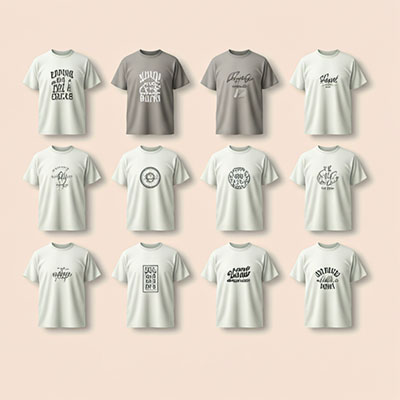
✔ Month 1: Make five to ten branded templates for your most common content types, borrowing from proven social media post design ideas. Use them always.
✔ Month 2: Pick a posting schedule you can keep for a year. Three posts weekly beats daily posts that stop by month two.
✔ Month 2: Post your first 12 pieces using the locked templates and brand voice, the same consistency a social media design service is built to maintain long after month two. Track which topics work. Keep the visuals unchanged.
✔ Month 3: Run the stranger test. Show five outsiders your homepage. Ask what the organization does and who it serves. Adjust your message based on their answers.
✔ Month 3 milestone: Check audience recognition. Ask three new contacts who found you online what they think the organization does.
Watch out: Changing the visual identity at Month 3
It does not feel right yet because recognition has not had time to build. Changing the identity resets the clock. Stay the course. Recognition needs at least three months of consistency.
Growth Quarter: Months 4 to 6
Grow the brand to new audiences through community, partnerships, and shared content. Keep the same look and tone from Quarter 1.
✔ Month 4: Find 10 board members, partners, and supporters. Get them to share campaign content on their channels.
✔ Month 4: Build a sharing kit. Include three social posts, two graphics, and a deadline. A board member's network can reach more people than your page does in a week.
✔ Month 5: Publish a three- to five-part content creation series on a key topic. People who return for part two are building a habit. Habits build loyalty.
✔ Month 5: Pick a topic your audience actually searches for. Do not pick one that is just easy to write.
✔ Month 6: Run a focused awareness campaign across every channel you have. It should sound like a louder version of your brand.
✔ Month 6 milestone: Measure brand recognition for the first time. Ask five new contacts if they can identify the organization from visuals alone.
Watch out: Running the campaign before the brand foundation is solid
Bigger reach spreads brand confusion faster if the foundation is weak. That is why Months 1 to 3 cannot be rushed. A strong campaign on a weak foundation wastes both.
Deepening Quarter: Months 7 to 9
Move your audience from awareness (they have seen you) to association (they know what you stand for). Association bridges recognition and trust.
✔ Month 7: Share real stories from real people tied to your mission. Beneficiaries, volunteers, staff, community members. Authentic stories build emotional bonds that announcements cannot.
✔ Month 7: Posts with real faces get 38 percent more engagement. This is your top creative investment this month.
✔ Month 8: Create a challenge, pledge, or branded template, grounded in the same branding design system you locked in Quarter 1 — so people can join your mission visibly. A template that takes three taps to share can beat a week of posts.
✔ Month 8 milestone: Track how many people engage with and share it. This number shows your organic reach multiplier.
✔ Month 9: Co-publish content with a partner group that shares your audience. Their followers already trust them, so that trust extends to you.
✔ Month 9 milestone: Measure new followers gained from the partnership. Followers from warm intros stay longer than those from cold exposure.
Watch out: Treating partnership content as a shortcut to skip the foundation months.
Partner audiences only join yours if your brand is already clear and consistent. Without that base, partnerships bring little lasting recognition. The shortcut ends up taking longer, not less time.
Recognition Quarter: Months 10 to 12
Measure the recognition built over nine months. Add the most ambitious content yet. Record the plan for Year Two.
✔ Month 10: Survey target audience members. Check unprompted recall of the name. Test logo recognition among ten nonprofit logos. Note if they can name two or three values.
✔ Month 10 milestone: Brand recognition audit done. Baseline scores recorded for recall, recognition, and association. These scores start Year Two.
✔ Month 11: Run the biggest, best-funded campaign of the first year. Nine months of groundwork support it. Use that groundwork.
✔ Month 11: Twelve months of consistency pay off now. The campaign reaches the same people as Month 6. But now they respond with more recognition and trust.
✔ Month 12: Record what worked. Note which content formats, channels, visuals, and partnerships built the most recognition.
✔ Month 12 milestone: Year Two brand strategy documented and approved by the end of Month 12. An organization entering Year Two with real data stands far ahead of one relying on guesses.
Watch out: Expanding to a second platform before the first one has traction.
The rule is clear. Expand only when the main channel shows steady engagement, real organic reach to new audiences, and proof people recognize the visual identity without being told.
The 3 mistakes that stall nonprofit brand recognition
Knowing how to build a nonprofit brand recognition from scratch is only half the work. The other half is refusing to undo it. The roadmap works, but three mistakes usually derail it. They tend to hit at month 3, month 6, and month 9. Knowing them ahead of time helps you get past them instead of getting stuck.
Decision 1: Changing the Visual Identity Before Recognition Has Time to Build
The pattern: The visual identity launches in Month 1. By Month 3, the internal team feels off about it. It seems unfamiliar. Boring. Maybe generic. They want to tweak it. A new color. A new font. Maybe even one of the other types of logo design entirely.
The truth: It feels unfamiliar because nonprofit brand building strategy takes time. People have not seen it enough to connect it with the organization. Changing it at Month 3 resets that process to zero.
The rule: Do not change the visual identity in Year One. Not at Month 3. Not at Month 6. Not at Month 9. Year One builds recognition. Year Two refines it using data.
Decision 2: Spreading Across Too Many Platforms Before Any Single One Has Traction
The pattern: By Month 6, the group posts on its main channel but feels pushed to cover every platform. Instagram, LinkedIn, Facebook, TikTok, email. All at once. Someone on the board said the group should be everywhere.
The truth: Weak recognition on five platforms beats nothing. But strong recognition on one platform works better. Recognition needs consistency and frequency. Spreading across five platforms weakens both. You get five faint impressions instead of one strong one.
The rule: Add a second platform only after the main channel hits 100 or more steady followers, a 3 to 5 percent average engagement rate, and the kind of organic reach the latest social media trends suggest is worth chasing.
Decision 3: Measuring the Wrong Metrics and Concluding the Strategy Is Not Working
The pattern: By month nine, the team tracks likes, reach, and followers. Numbers look small. So the strategy seems broken. The urge is to scrap the visual identity and messaging.
The truth: Likes, reach, and followers do not measure brand recognition. They measure how content did on one day. Brand recognition comes from recall and association surveys, not platform dashboards.
The rule: Measure brand recognition through audience surveys, not metrics. Ask real people what they associate with your organization. Do they recall your name unprompted? Do they recognize your logo? Those answers show if the strategy works.
Nonprofit brand recognition FAQs
Everyone learning how to build a nonprofit brand recognition from scratch runs into the same core questions, whether they lead a new organization or a rebrand. The answers below fill all your queries regarding nonprofit brand identity from zero.
It takes 9 to 12 months of steady visual identity, messaging, and content. Audiences need 5 to 7 impressions to remember a brand, so consistency matters most.
Visual consistency matters most. Use the same logo, colors, and fonts everywhere. If your look changes each week, your audience starts from zero every time.
You need to invest in visual identity design, a year of content, and some paid promotion. If your budget is small, focus on visual identity first. It pays off every month after.
Yes. Recognition depends on quality, not follower count. 500 engaged followers who recognize and share your brand beat 5,000 passive ones who just scroll past.
Lock five decisions before creating content: what you want to be known for, your audience, your visual identity, your brand voice, and your main channel for year one.
Endnote
Knowing how to build a nonprofit brand recognition from scratch means understanding that recognition is never accidental. It is the sum of twelve months of decisions made in the right order and held steady even when they feel uncertain from the inside.
Reading the roadmap is easy. Sticking with it every month, with a strong visual identity, is harder. Most organizations need outside help for this. That is where Graphic Design Eye fits in. It gives your nonprofit an unlimited branding subscription. Our expertise builds a consistent visual identity across every touchpoint. Recognition grows instead of resetting each time your look changes.
Start with the five foundational decisions this week, and let the months ahead build something your audience remembers without being told.
A brand built with patience today becomes a name people trust without question tomorrow.
Graphic Design Eye LLC is a full-service creative agency built for brands that demand more than design — they demand vision. From strategic branding to complete visual identity, we partner with startups, agencies, and growing businesses as a dedicated creative force. With flexible subscription and project-based models. Let's start with us today!