Choosing the best social media platforms for your business is one of the most consequential decisions a growing brand makes in 2026. And most businesses get it wrong by defaulting to presence over strategy. With 5.66 billion social media users worldwide and the average business switching between nearly 7 platforms without a clear plan.
Every year, millions of businesses make the same expensive mistake.
They open an account on every platform they have heard of, post inconsistently across all of them, ignore the social media graphic design tips that make content recognizable, measure nothing meaningful, and conclude after six months that social media does not work for their business.
In 2026, that mismatch has never been more costly. Social media ad spend is expected to grow 10.9% annually through 2030. The businesses that choose the right platforms now are the ones that will compound that advantage over the next five years.
Understanding what is actually shifting across platforms in 2026 makes the choice of where to invest considerably easier. The ones that keep spreading their effort across platforms that do not fit their audience will keep producing activity without results.
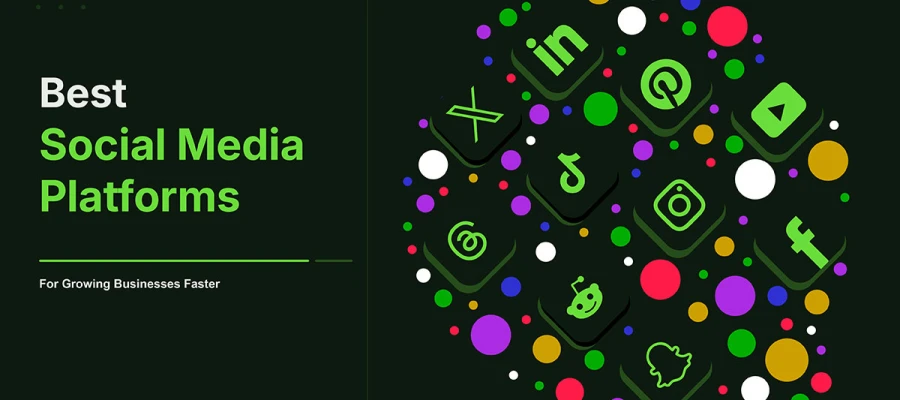
This guide ranks the 10 best social media platforms for growing businesses in 2026, with the data, the use cases, and the strategic clarity to make a confident decision about where your business belongs.
The ranking below is organized by strategic value to growing businesses, not by total user count. Identifying the best social media platforms for your specific business requires matching audience demographics, content capability, and commercial intent, not simply choosing the platforms with the largest user bases. And this decision is not random. It is part of a broader social media growth strategy, where each platform serves a defined role in reaching and converting your audience.
A platform with 3 billion users that does not reach your customer is worth less to your business than a platform with 350 million users where your customer makes buying decisions every day.
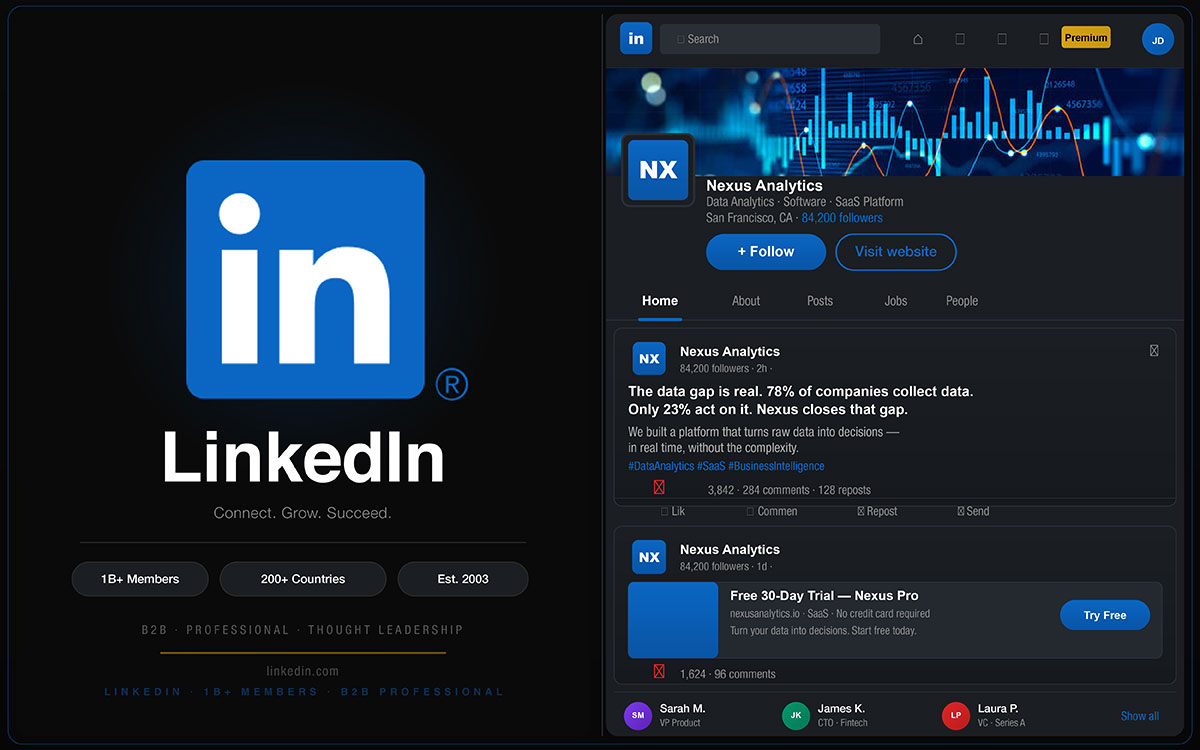
There is one number that justifies LinkedIn's position at the top of this list for any business that sells to other businesses: 80%. That is the share of all B2B social media leads generated on LinkedIn. No other platform comes close. For B2B companies, professional service firms, consultants, and technology brands, LinkedIn is not one option among many. It is the primary option. The same rigor that goes into choosing the right design partner applies here, what matters is not the most visible option but the one most aligned with how your audience evaluates credibility.
Use this quick-reference table to identify your best platform fit by user volume, business type, content format, advertising capability, and industry.
Best pick by type: B2B → LinkedIn | B2C visual brand → Instagram | Local business → Facebook | Gen Z → TikTok | Long-form authority → YouTube | Emerging reach → Threads
1. LinkedIn 350–400M MAU | B2B
LinkedIn is the smallest platform on this list by reach and the most concentrated by commercial value. Four out of five business decision-makers are active members, and the platform converts visitors to leads at nearly three times the rate of other social channels. For companies selling to other companies, this is where deals actually start.
Key Stat: LinkedIn's visitor-to-lead conversion rate is 2.74%, compared to Facebook's 0.77% and Twitter's 0.69%.
2026 Shift: Personal profiles now out-engage company pages by a wide margin, and individuals are posting more frequently than brand accounts
Actionable Tip: Put your leadership team's voice on the platform, not just the company page; carousel posts are currently the highest-performing format, generating far more engagement than video or text alone.
Best For: B2B companies, professional services, consultants, tech firms, thought leadership
2. Facebook 3.07B MAU | B2B + B2C
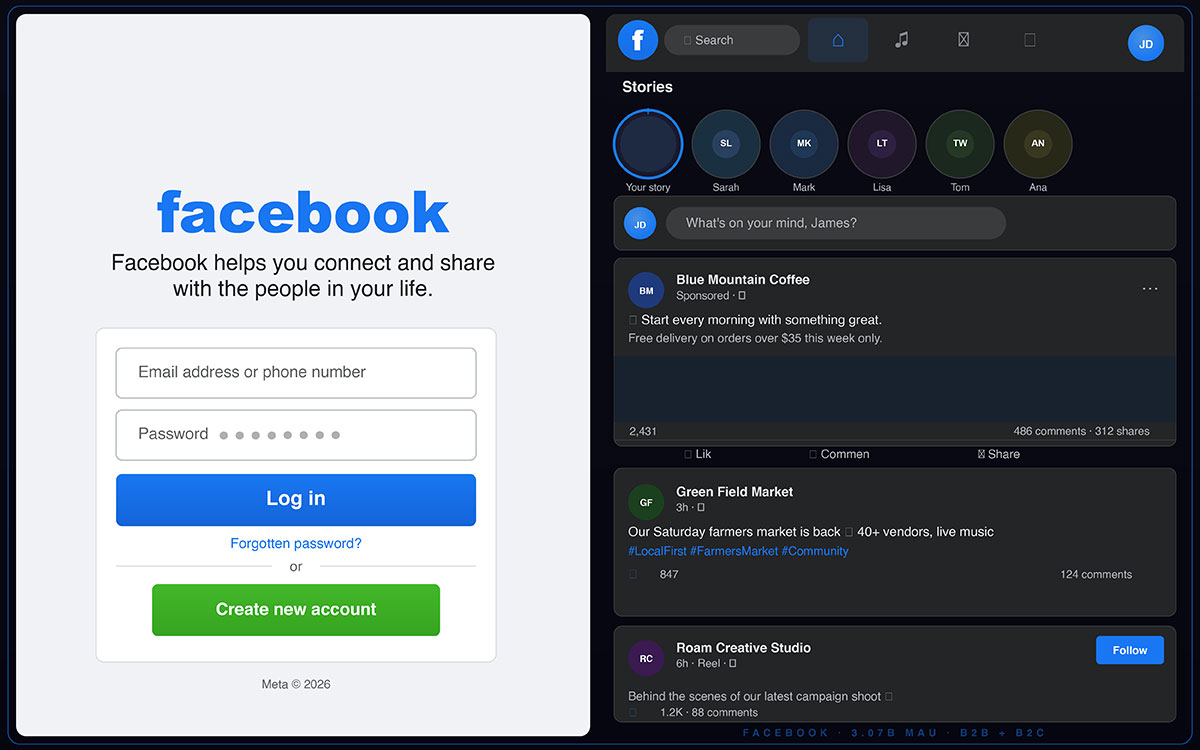
Facebook is the largest social network in the world and its advertising infrastructure is the most sophisticated of any social platform, though even the sharpest targeting underdelivers when the creative ignores proven social media ad design tips. For local businesses, community-oriented brands, and any company whose core customer is over 35, Facebook remains the most powerful platform available.
Content That Works: Articles, carousels, text posts, short video, thought leadership essays
Key Stat: Generates 80% of all B2B social media leads (LinkedIn Marketing Solutions)
2026 Shift: LinkedIn has entered its "creative era"- algorithm now rewards video and creative posts
Actionable Tip: Decision-makers and C-suite professionals are more reachable on LinkedIn than any other platform; consistent, high-quality content earns trust before they are in market
Best For: B2B companies, professional services, consultants, tech firms, thought leadership
3. Instagram 3B MAU | E-Commerce
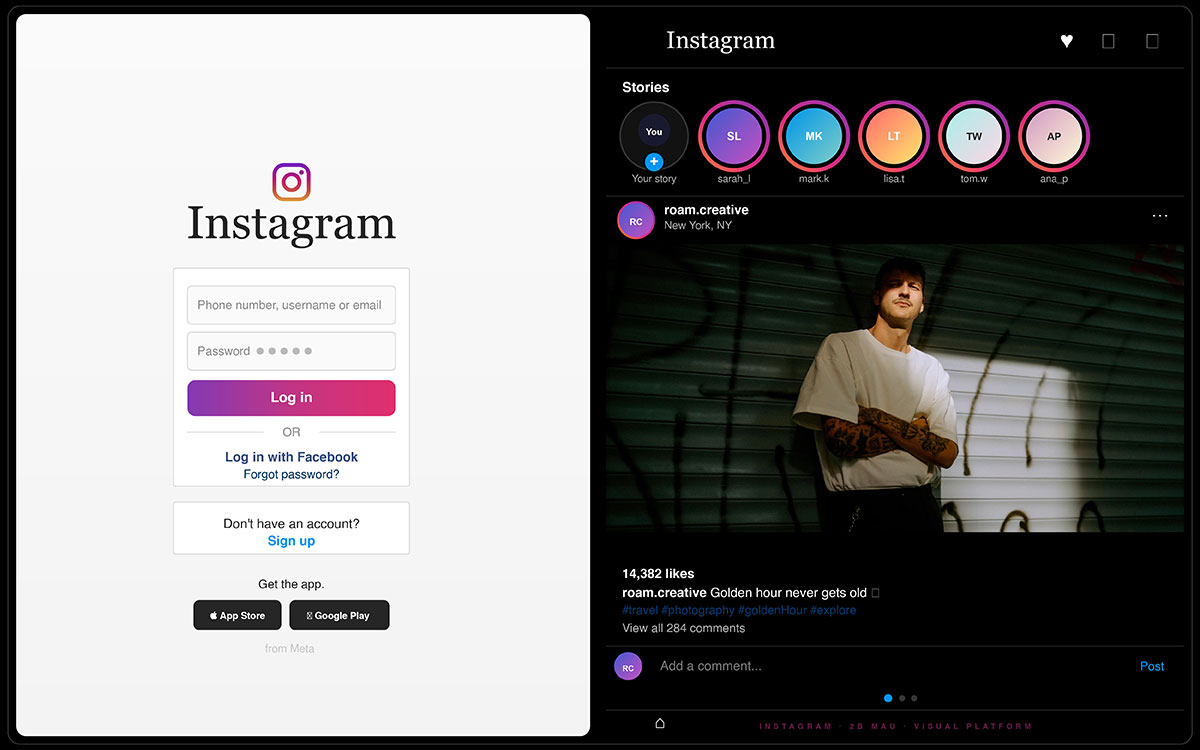
Instagram is where products are discovered. Sixty-one percent of Instagram users discover new products on the platform. The purchase journey has shortened dramatically: Instagram Shopping now allows users to discover, evaluate, and purchase without ever leaving the app, which means consistent, on-brand social media design now carries the weight a storefront once did.
Content That Works: Reels (0.15–0.23% engagement), images, community groups, local ads
Key Stat: Reaches 34.1% of the global adult population; $20B+ US business ad spend in 2026
Advertising: Most advanced targeting of any platform; strongest for local business and consumer brands
Actionable Tip: Facebook Groups drive the highest organic engagement for local and niche businesses; build community, do not just broadcast
Best For: local businesses, community building, paid advertising, reaching 35+ audiences
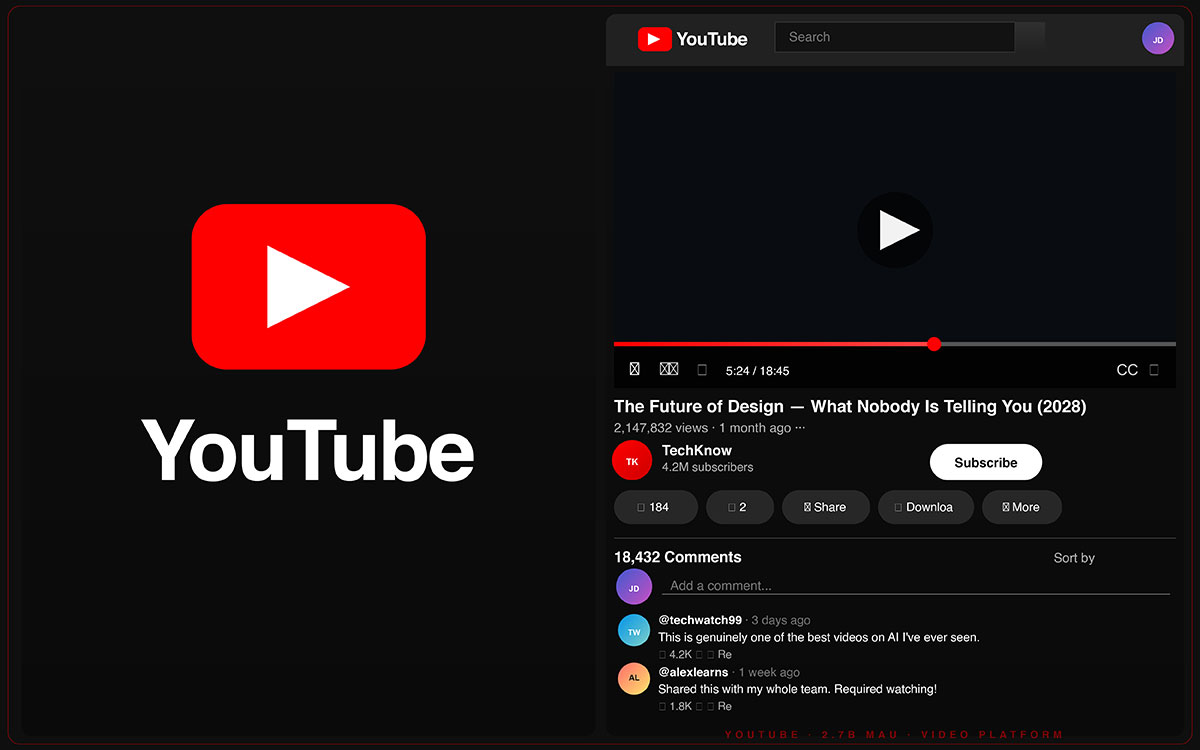
4. YouTube 2.7B MAU | B2B + B2C
YouTube is the only social platform that also functions as a search engine. Videos published on YouTube rank in Google search results, which means a well-optimized tutorial or demonstration, supported by clean, professional video editing, can generate views, leads, and sales for years after publication. The return on investment for YouTube content is longer and more compounding than on any other platform.
Content That Works: Reels (highest reach), Stories, carousels, Instagram Shopping
Key Stat: 61% of users discover products on Instagram; strongest for ages 18–34
Feature Focus: Instagram Shopping allows full purchase journey without leaving the app
Actionable Tip: Reels get 30% more engagement than other formats; prioritize 90-second videos that teach, inspire, or entertain with enough authenticity to earn trust
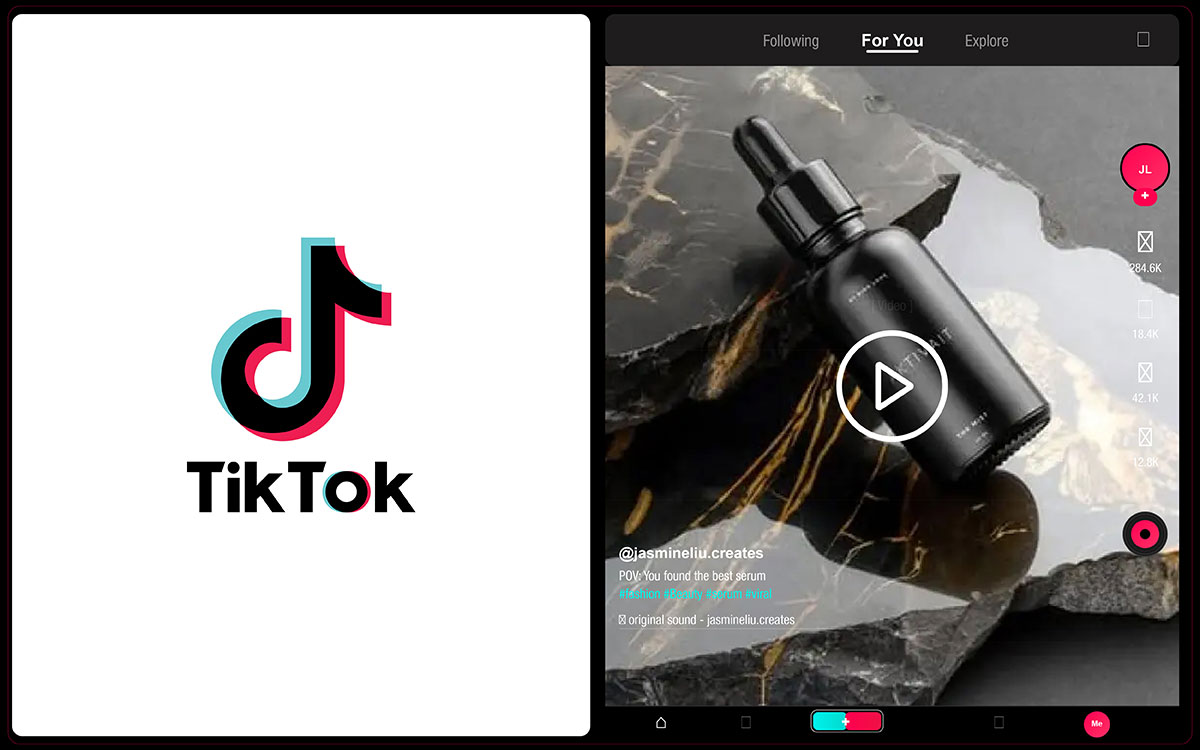
TikTok is the most engaging social media platform in the world by a significant margin. Its users spend an average of 58 minutes per day on the app, and its algorithm gives new accounts a genuinely fair chance at organic reach. A brand with zero followers can publish its first video and reach thousands of people if the content connects. That is a commercial opportunity that does not exist at this scale anywhere else.
Key Stat: YouTube videos rank on Google search, dual SEO benefit unavailable elsewhere
Longevity: YouTube content generates views and leads for years after publication
Actionable Tip: Shorts feed the short-form algorithm while long-form builds authority and search equity; over time, the combination compounds in ways paid advertising cannot replicate
Best For: Educational content, tutorials, behind-the-scenes, SEO-driven video
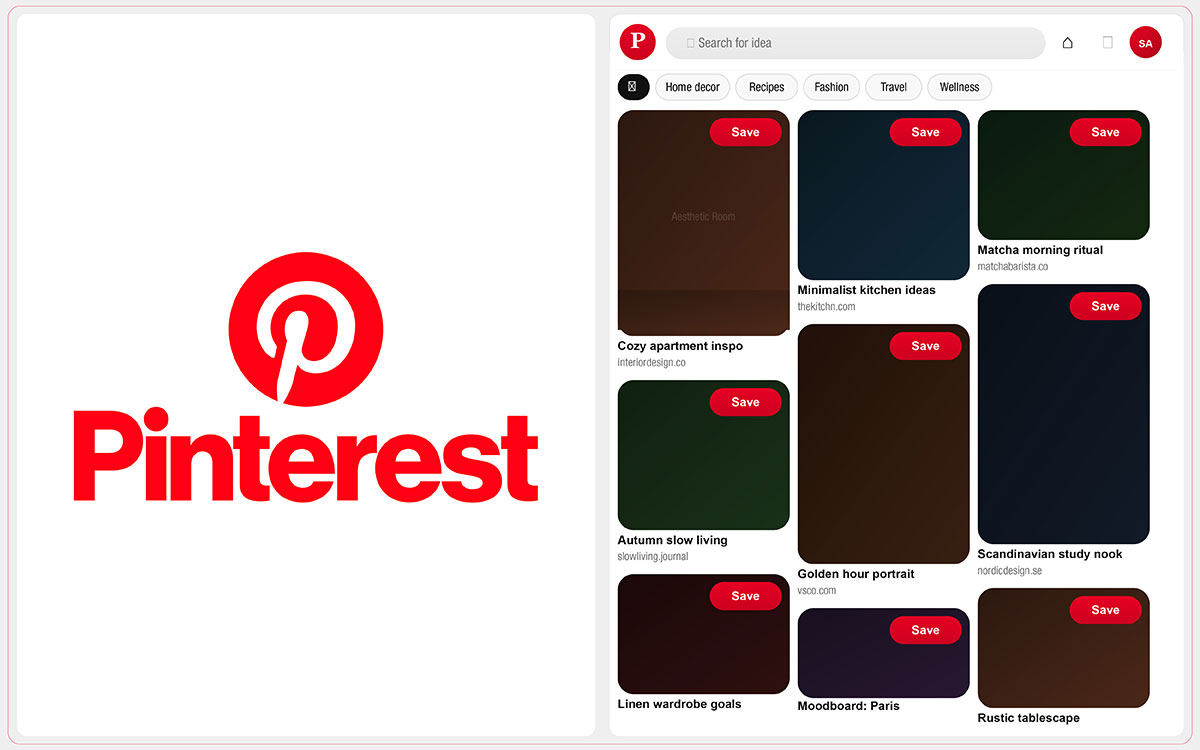
6. Pinterest 500M+ MAU | E-Commerce
Pinterest is the purchase intent platform. Its users do not scroll passively. They arrive with a purpose: to discover ideas, plan purchases, and find the products that match the life they are building. That intent-driven behaviour makes Pinterest's audience commercially valuable in a way that raw user count does not capture.
Content That Works: 15–60 second authentic videos, trending audio, duets, stitches
Key Stat: 58 minutes per day average session- highest of any platform; 17.6% YoY MAU growth
Algorithm Advantage: New accounts get fair organic reach- best platform for brand launches without an existing following
Actionable Tip: Authenticity beats production quality on TikTok without exception; raw, value-driven content consistently outperforms polished advertising
Best For: Gen Z targeting, entertainment, brand awareness, product discovery, TikTok Shop
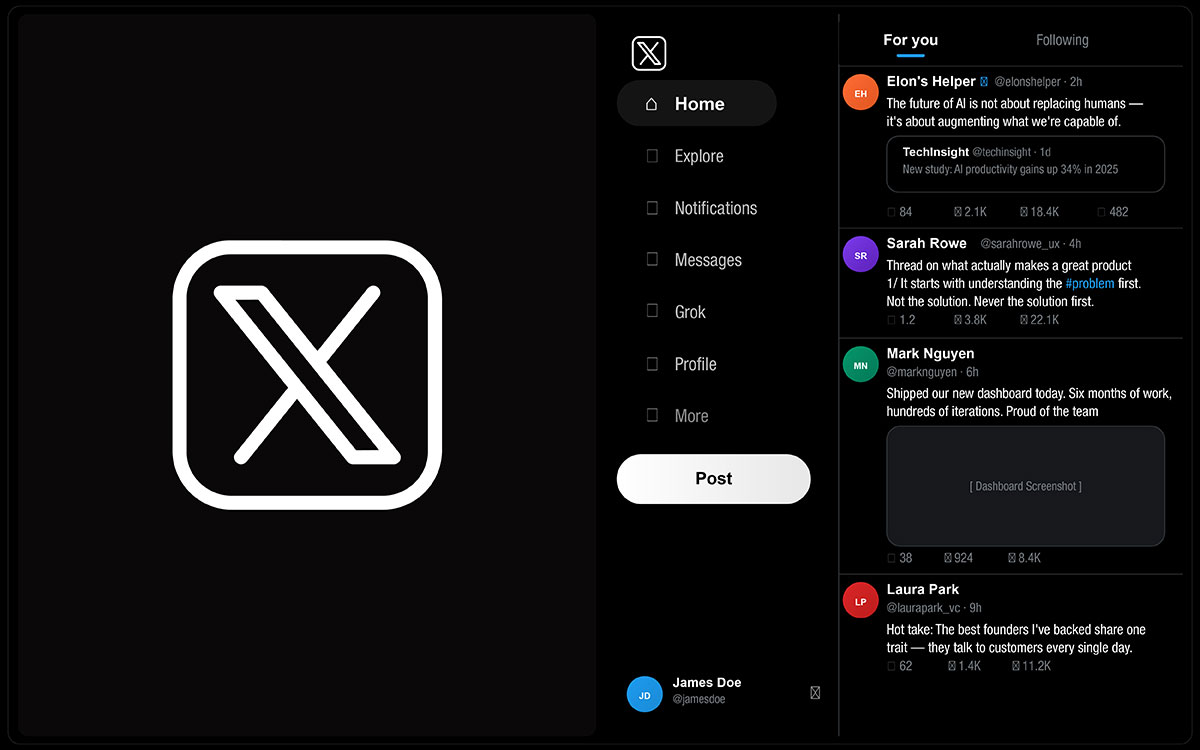
7. X / Twitter 335M MAU est. | B2B + B2C
X remains the platform of real-time conversation. It is where breaking news is processed, where industry debates are held, and where brand voice earns or loses credibility in full public view. For businesses in finance, technology, and media, X continues to offer an engagement environment that no other platform replicates.
Content That Works: Vertical pins, idea pins, SEO-optimized descriptions, product pins
Key Stat: Highest purchase intent of any social platform, users actively seek products to buy
SEO Angle: Pinterest pins appear in Google search results, extending content lifespan significantly
Actionable Tip: Treat Pinterest like a visual search engine; keyword-rich descriptions consistently outperform aesthetic-only pins
Best For: Lifestyle brands, home decor, fashion, food, wedding, DIY, e-commerce
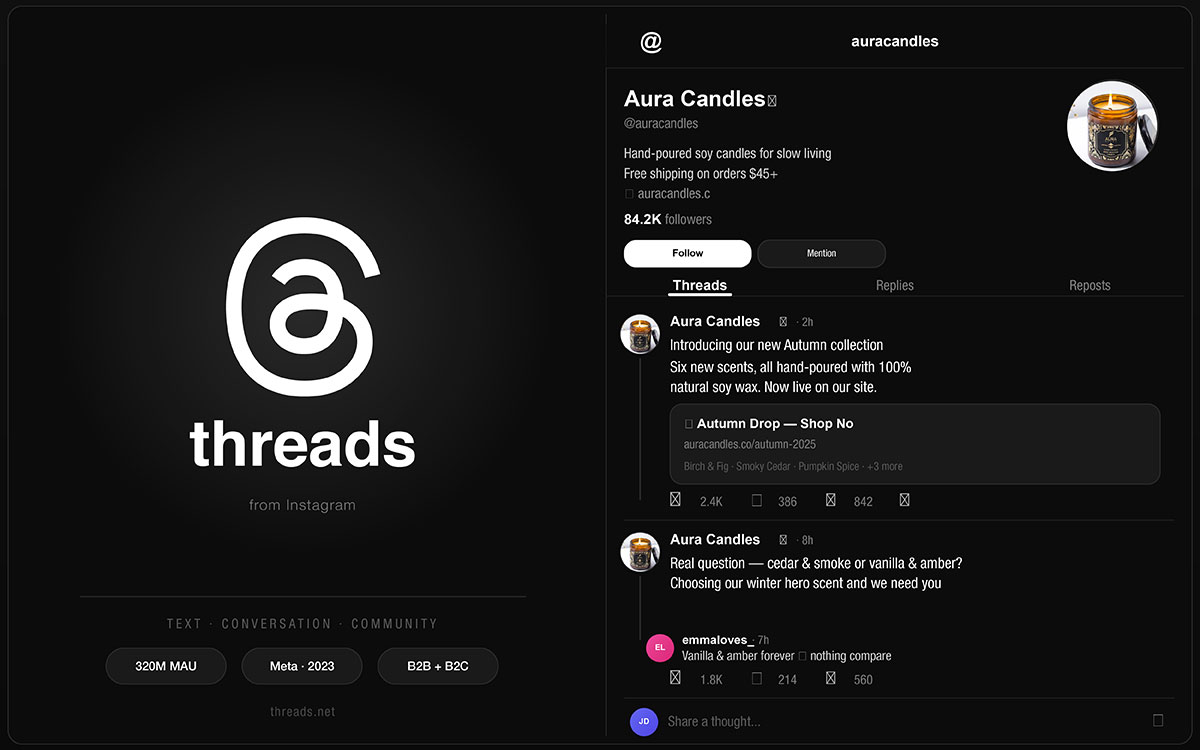
8. Threads 300M+ MAU | Emerging
Threads is the fastest-growing social platform of 2026, with 63% year-over-year growth. The commercial opportunity on Threads is primarily organic, and the algorithm still rewards consistent early movers with disproportionate reach. For brands built on conversational, personality-driven content, Threads is the most significant emerging platform opportunity of the year.
Content That Works: Timely commentary, threads, news reactions, customer support
2026 Context: Declining user base but remains the definitive platform for real-time cultural conversation
Audience: Strongest for advertising to male demographics; best for news and current affairs brands
Actionable Tip: X is most valuable for brands whose audience expects real-time engagement; if that does not describe your business, the investment is better deployed elsewhere
Best For: Real-time brand voice, customer service, news-driven industries, tech and finance brands
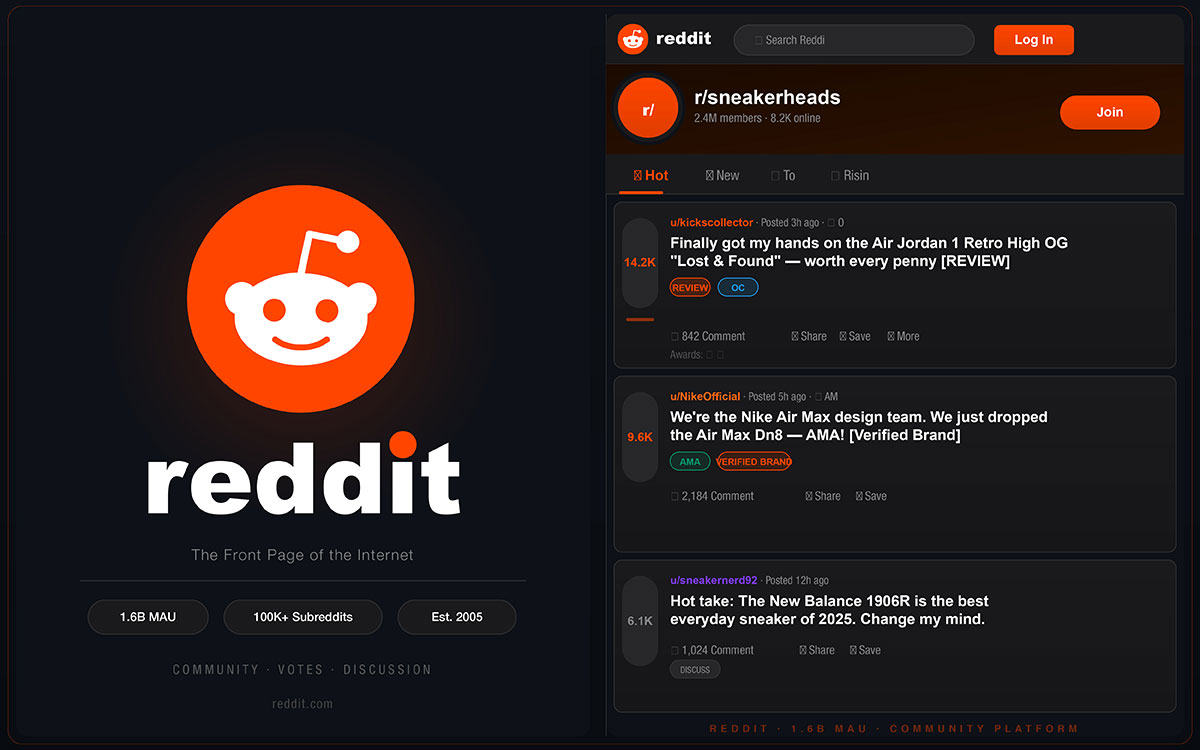
9. Reddit 765M MAU | B2B + B2C
Reddit is the platform that marketers consistently underestimate and the communities that live on it never forget when they have been marketed to poorly. Its 765 million monthly active users are among the most engaged, most skeptical, and most expertise-oriented audiences on the internet. The commercial opportunity is real and growing fast.
Content That Works: Text posts, conversational threads, brand personality content, behind-the-scenes
Key Stat: Fastest-growing platform in 2026 with 63% year-over-year growth (TekRevol)
Instagram Integration: Cross-posts to Instagram, giving immediate audience access for existing Instagram brands
Actionable Tip: Early movers gain disproportionate organic reach, the algorithm still rewards new, consistent voices before competition intensifies
Best For: Brands building conversational presence, community-first content, brands transitioning from X
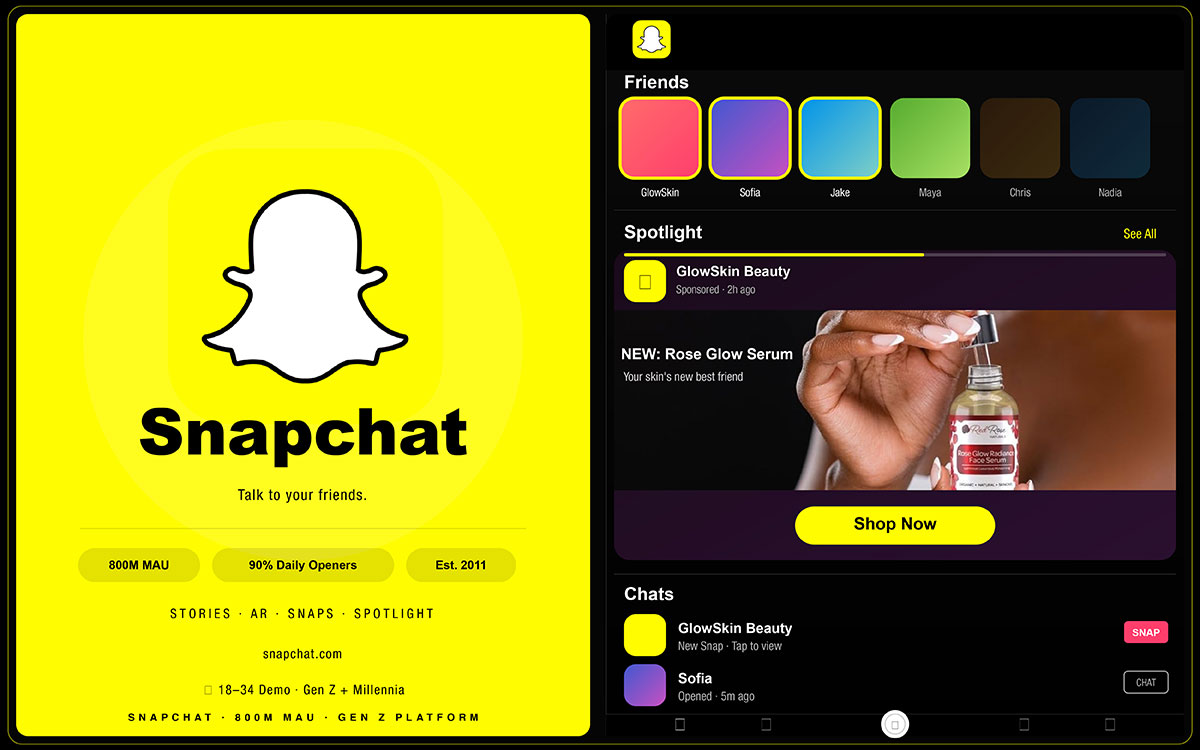
10. Snapchat 850M MAU | B2C
Snapchat's 850 million monthly active users spend their time in a visual, ephemeral environment that is fundamentally different from every other platform on this list. The platform skews young, it is private by design, and its advertising capabilities include augmented reality tools that no other platform offers at equivalent scale.
For brands targeting audiences between 13 and 34, Snapchat provides access to demographics that are increasingly difficult to reach through traditional advertising channels. Its AR lens technology allows brands to create genuinely interactive experiences, from virtual try-ons for fashion and beauty brands to location-based filters that activate at physical retail environments. Even within these short-lived interactions, a consistent business branding design helps users instantly recognize and connect with your brand.
Content That Works: Vertical video ads, AR lenses, story ads, location-based promotions
Key Stat: 850M MAU with unique AR capabilities no other platform matches at scale
Differentiator: Snap AR lenses create interactive brand experiences that generate organic sharing
Actionable Tip: For fashion, beauty, and physical retail brands, a well-executed AR lens can produce a share rate that no conventional ad format can match
Best For: Brands targeting 13–34 demographics, location-based marketing, video ads, AR experiences
How to Choose the Right Social Media Platform for Your Business
The most expensive social media mistake a business can make is the one that looks productive: being active on the wrong platforms. Evaluating the best social media platforms for your business is not a matter of following industry defaults, it is a matter of working through five specific criteria before committing time, budget, or creative energy to any platform.
1) Know your audience demographics
Age, gender, and location determine which platforms your customer uses. Audience fit is the first and most important criterion, and no amount of content quality compensates for audience mismatch.
2) Match your content capability honestly
If your team cannot produce video consistently, TikTok and YouTube are not your platforms regardless of their reach. The best platform is the one where you can produce genuinely good content on a sustainable schedule, and understanding what content creation for social media actually demands makes that assessment far more honest.
3) Define your business type before your platform
B2B companies should begin with LinkedIn. B2C visual brands should begin with Instagram. Local businesses should begin with Facebook. E-commerce brands should begin with Instagram and Pinterest. The clarity that platform selection requires is the same clarity that a well-written design brief brings to a creative project, the discipline of defining what you need before you begin building it.
4) Assess your budget allocation
Organic-first strategies work best on TikTok, LinkedIn, and Threads in 2026. Paid-first strategies work best on Facebook and Instagram. Choose platforms where organic reach is currently rewarded if your budget is limited.
5) Apply the 2–3 platform rule
Two platforms executed with genuine consistency, strategic intent, and strong social media post design ideas consistently outperform seven platforms executed with broadcast-only content. Focus is not a limitation. It is a competitive advantage.
Social Media Platform FAQs
Every social media platform answer below opens directly with a response, because direct answers are what the decision in front of you requires.
The best social media platform for business in 2026 depends on your audience and business type. LinkedIn is strongest for B2B, Instagram for e-commerce and visual brands, and Facebook for local businesses due to its targeting and reach.
Facebook has the most users in 2026 with about 3.07 billion monthly active users. However, platform choice should depend more on where your target customers are active than total user count.
Yes, LinkedIn is still highly valuable for B2B companies in 2026 as it remains a top source of B2B leads. It is especially effective for reaching decision-makers and delivering high-ROI results through consistent, high-quality content.
A business should focus on 2–3 social media platforms at a time for the best results. Consistent execution matters more than being present on many platforms, and performance should be reviewed before expanding further.
Yes, TikTok is very effective for business marketing in 2026, especially for B2C brands targeting audiences under 35. Its algorithm enables strong organic reach and high engagement through authentic, short-form content.
Threads is the fastest-growing social media platform in 2026, with strong year-over-year growth. TikTok also leads among large platforms, driven by rapid user expansion and high engagement.
Instagram and Pinterest are the best platforms for e-commerce in 2026. Instagram supports in-app shopping and strong product discovery, while Pinterest drives high purchase intent and search visibility, with TikTok Shop as a strong option for younger audiences.
Facebook typically provides the highest ROI for paid ads due to its large user base and advanced targeting system. For B2B, LinkedIn performs best, while Instagram and Pinterest work well for e-commerce with high purchase intent audiences.
Choose your social media platform based on your target audience’s age, behavior, and content preferences, not popularity. Then match that audience to where they are most active and select platforms where you can consistently create strong content.
Yes, you can grow a business on social media without paid ads by consistently posting high-quality, valuable content. Organic platforms like LinkedIn, TikTok, and Threads still reward relevance, consistency, and audience focus over volume.
Endnote
Social media platforms are often treated like equal spaces for visibility, but in reality they function more like competing attention markets. Each one decides, in its own way, what gets amplified and what quietly disappears from view.
That is the real context behind the best social media platforms. Growth is not determined by presence alone. It is shaped by how a brand is interpreted within different attention systems that reward completely different behaviors. A message that feels strong on one platform can feel diluted or ignored on another without any change in quality.
What usually gets missed is that platforms do not just distribute content, they reshape perception. The same brand can appear premium in one environment and ordinary in another, depending entirely on how it is visually and contextually structured. Most inconsistency in growth does not come from content failure, but from mismatched creative expression across these environments.
At a certain level, posting more does not solve this. Refining a message without refining the presentation does not solve this either. The issue sits in how the brand is visually and strategically positioned before it even enters the platform.
That is where Graphic Design Eye LLC provides strategic design and creative direction for social media systems. The focus is not on producing content volume, but on controlling how a brand is perceived across different attention environments.
We shape visual identity, content structure, and platform-specific creative direction so that a brand does not fragment across channels. Instead, it holds a consistent presence that adapts intelligently without losing recognition or intent.
This is not about being active everywhere. It is about being interpreted correctly wherever you appear.
Connect now with Graphic Design Eye LLC for strategic social media design and creative direction, and turn scattered presence into a clear, consistent identity that performs across every channel that matters.
Graphic Design Eye LLC is a full-service creative agency built for brands that demand more than design — they demand vision. From strategic branding to complete visual identity, we partner with startups, agencies, and growing businesses as a dedicated creative force. With flexible subscription and project-based models. Let's start with us today!