TL;DR
Restaurant branding trends are reshaping how dining establishments compete and connect with guests. And build lasting loyalty in an increasingly crowded market. In 2026, your food alone is no longer enough, the restaurants winning market share are the ones that have built a brand guests recognize, remember, and return to.
 Branding Design
 Apr 01,2026
 26 minutes
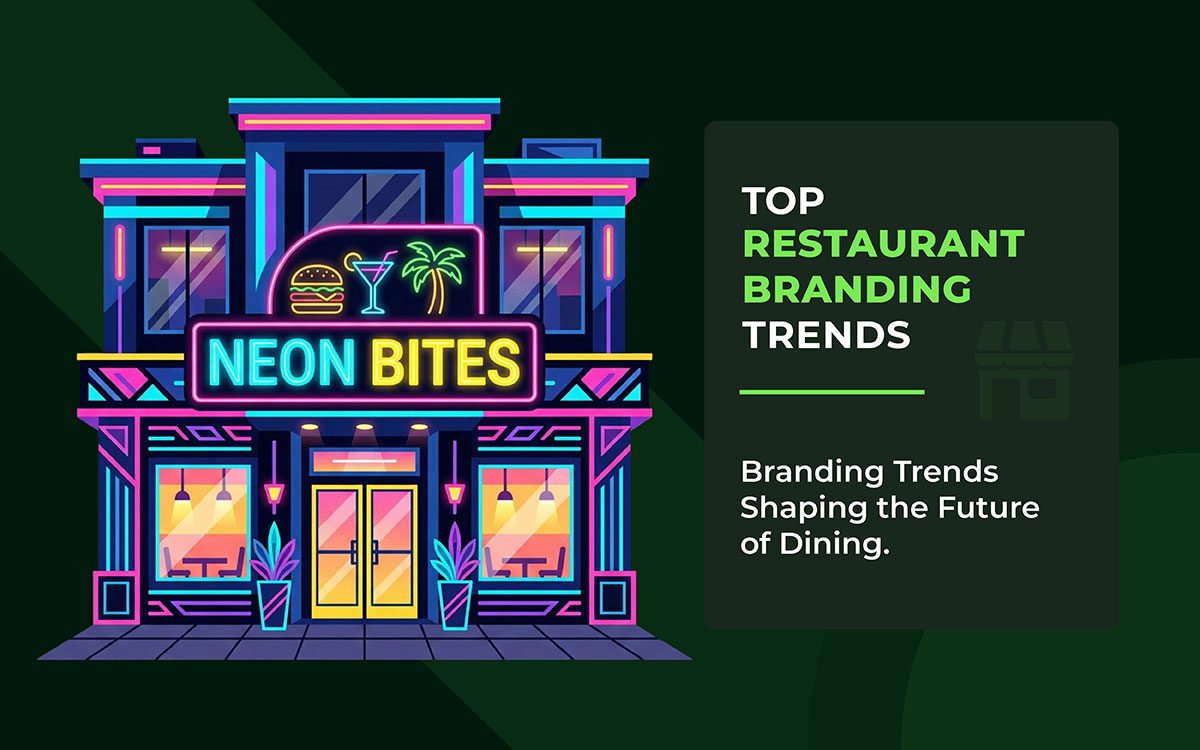


Well, modern branding trends are changing how shops compete. In 2026, good food is simply not enough to win. The best shops now have a brand that guests know and trust. This trust helps build deep loyalty in a very crowded market.
The facts show exactly why this matters today. Most diners (about 62%) check social media before they ever step inside. Because of this, brands that stay the same on all sites are much easier to remember. Competition in the food world grew by 45% last year alone. So, the gap between a basic shop and a strong brand has never been wider.
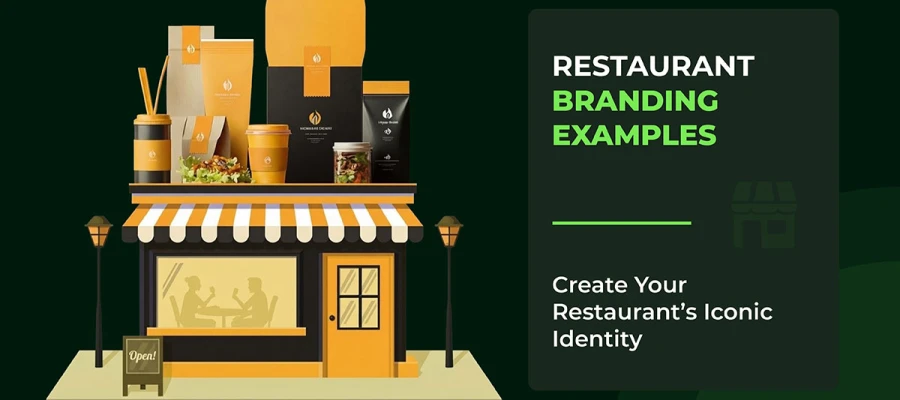
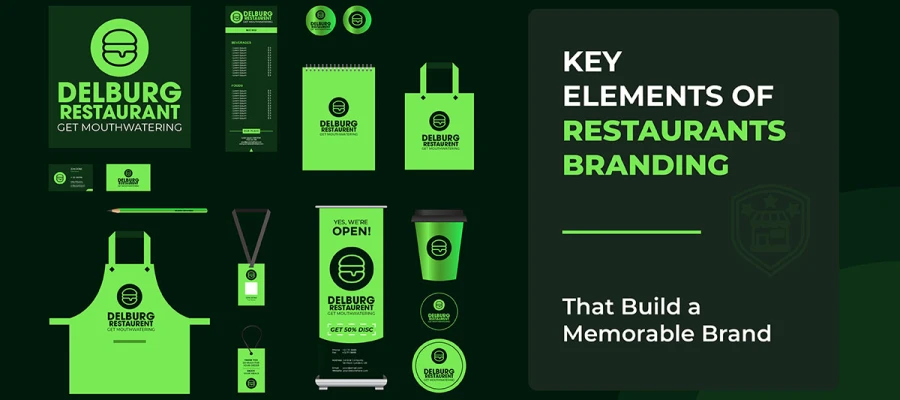
But what exactly is restaurant branding? It is every signal your shop sends out to the world. This includes a recognizable logo with tagline or slogan, your choosing brand colors, and your menu design. Your shop's mood and your packaging also play a big part. This mix tells the story of who you are and why you exist. When these parts work as one, guests feel they can trust you at once.
We cover the top 10 latest restaurant branding trends dominating the industry right now, from hyper-local storytelling and sensory design to AI-powered personalization and community positioning. However, you're building a brand from scratch or refreshing an existing one, these trends will give you a clear picture of where the industry is heading and what your brand needs to do to keep up.
Let's keep reading!
Today, "good food" is just the start. Branding is now the main engine for a shop to grow. In 2026, the focus is shifting fast. It is no longer about reaching everyone at once. Instead, it is about a deep bond with each guest.
Diners are now very careful with their money. They do not just spend on a quick meal. Instead, they pick brands that share their values. They want a brand that sees them as a person. To stay fresh this year, you must know these three market shifts:
The line between your online look and your dining room is fading. So, you must master these ten trends to win this year.
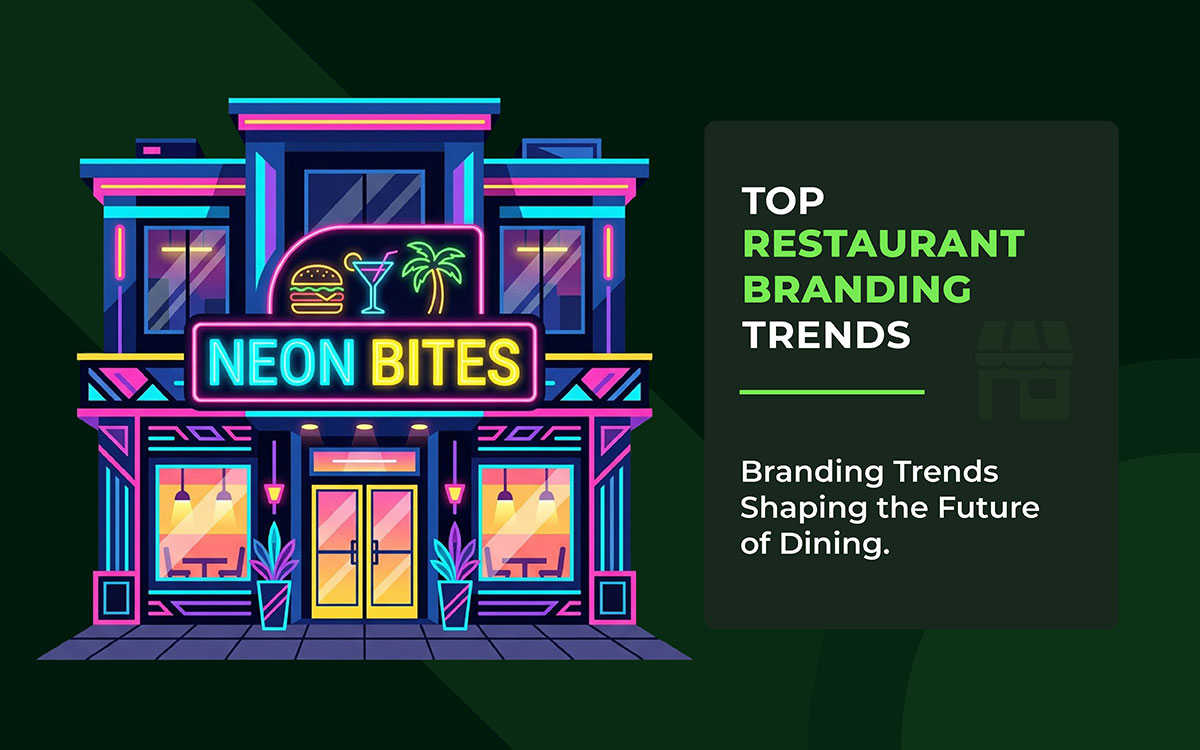
Restaurant branding design trends show who wins in 2026. They also show who fades away. Today, a top brand must be known and loved. This starts with your look and your voice. It also includes your online life and your shop's mood. These parts help guests remember you.
Now, we break down the 10 latest restaurant branding trends reshaping the restaurant world right now. These shifts are happening right now. You can use them to build a strong brand. So, you can keep your guests coming back for more.
Read on. Your brand growth here!
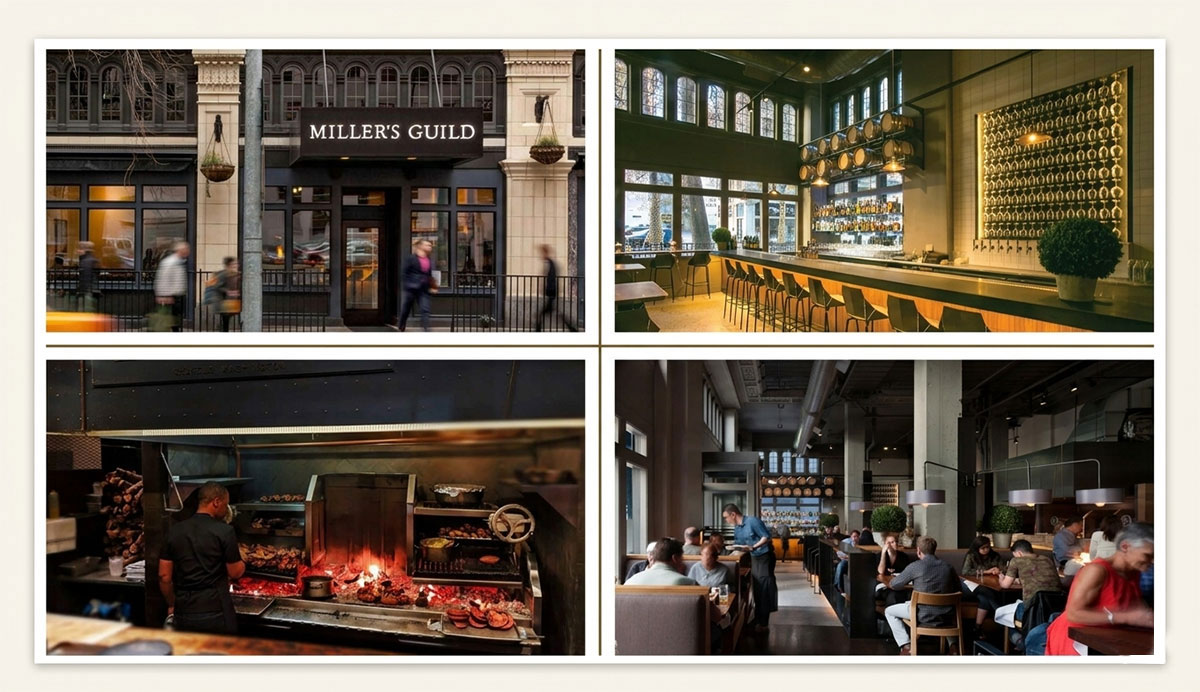
Hyper-local storytelling is a local restaurant branding strategy. Local stories are a top way to build a brand. This plan puts a neighborhood's look into every part of the shop. A restaurant should not feel like a big chain. Instead, it should look and feel like it grew from the local soil. This involves using the history and "vibe" of the city. This creates a brand that the community claims as its own.
How To Do It: Use local slang in your voice. Name your food after local streets or legends. Use photos or murals of the area in your shop, ensuring image resizing and cropping so they fit your walls and digital menus perfectly.
Why It Works: It makes the shop feel like a second home. When guests see their own town in a brand, they feel a bond. This turns one-time visitors into loyal regulars.
Real-World Example: Miller’s Guild in Seattle is a great case. They celebrate the city's roots in craft and hard work. Their branding design uses a "rugged" look with wood and steel. They show off wood-fired cooking. They also buy food from local farms. This tells a story of local grit. It fits the city's spirit perfectly.
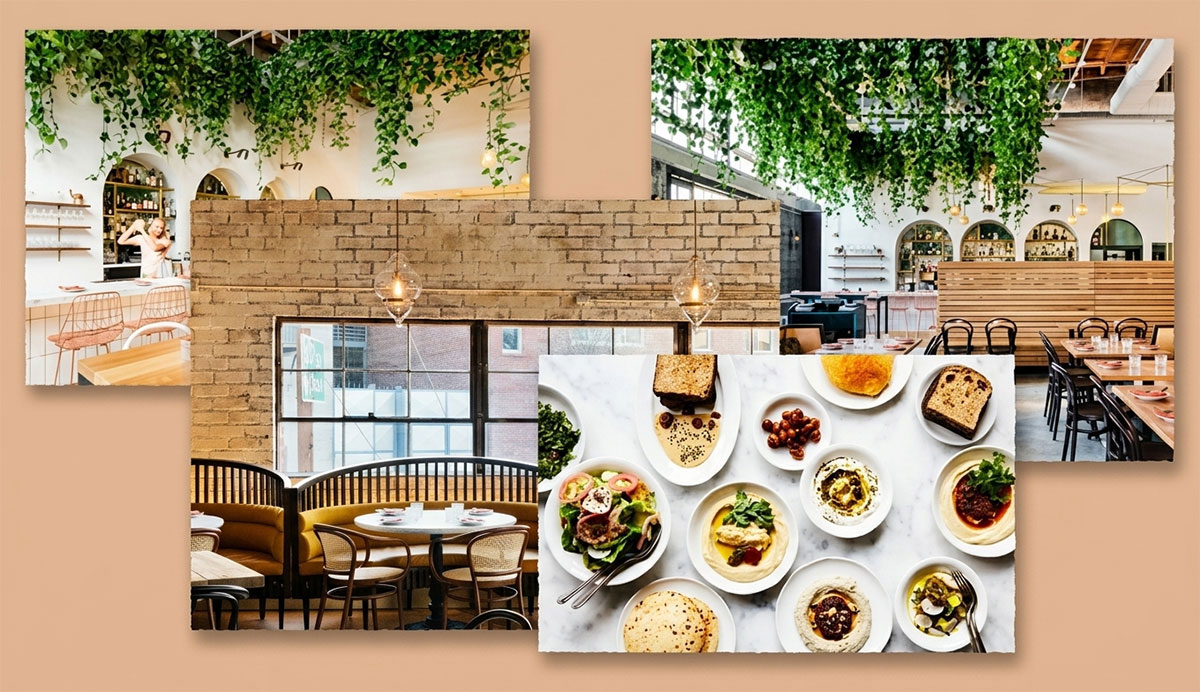
Sensory branding moves a shop's look beyond just a logo. It is a restaurant sensory branding strategy. This plan focuses on how a brand "feels" in a guest's hands. It also looks at how the brand sounds in their ears. By using touch, scent, and sound, a shop creates a deep world. This makes the brand much harder to forget.
How To Do It: Use thick, textured paper for your menus. Pick special fabrics for your seats, like velvet or linen. Use a music list that matches your brand's mood.
Digital Look: On your website, use high-quality video of your shop. This mimics the movement of the physical space. It gives a "visual texture" to the guest online.
Why It Works: Good design slows guests down. When a menu feels heavy and the music is right, guests stay longer. They are also more likely to share their trip on social media.
Real-World Example: Bavel in Los Angeles is a master of this style. Their brand is felt through rough textures. They use brick, green plants, and heavy clay plates. Even their website uses warm, grainy photos. This shows the brand's "heat" before the guest even walks in.
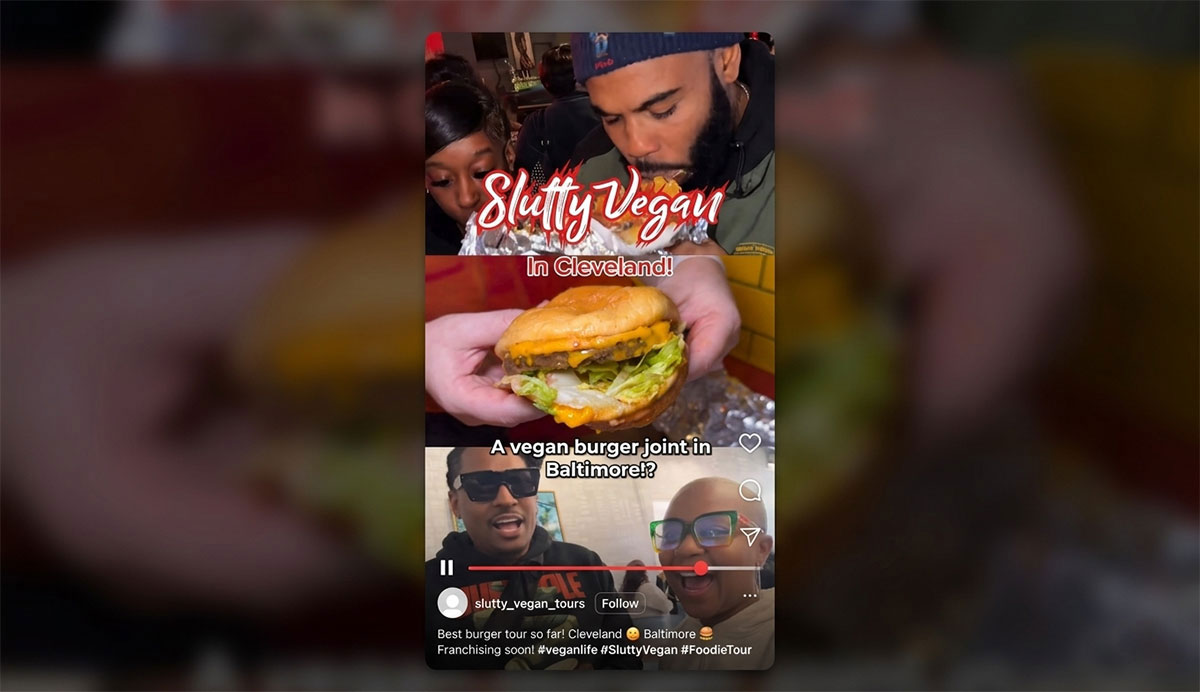
In 2026, video marketing is no longer about big budgets. It is now about "raw and real" stories. Apps like TikTok and Instagram Reels love content that feels human. Being real now beats a high-priced ad. This builds fast trust with guests. They want to see steam off the grill. They want to see the staff's heart. They do not want a cold, studio shot.
How To Do It: Let the staff film "pass-the-phone" clips. Use kitchen sounds like chopping and sizzling. Show "first bite" clips to capture a guest's joy.
Key Fact: Short video is the new "front door." While good photos still matter, 40% of diners now prefer video. They want to see the "vibe" before they visit.
Why It Works: It lowers the bar for new guests. It shows them exactly what to expect. The format feels like a tip from a close friend.
Real-World Example: Slutty Vegan in Atlanta is a star in this field. Their plan avoids "perfect" food shots. Instead, they show high-energy, raw clips that focus on creating engaging adverts through personality. You see staff dancing and loud music. You see guests loving their plant-based burgers. This wild, unpolished style turned a local joint into a huge brand.
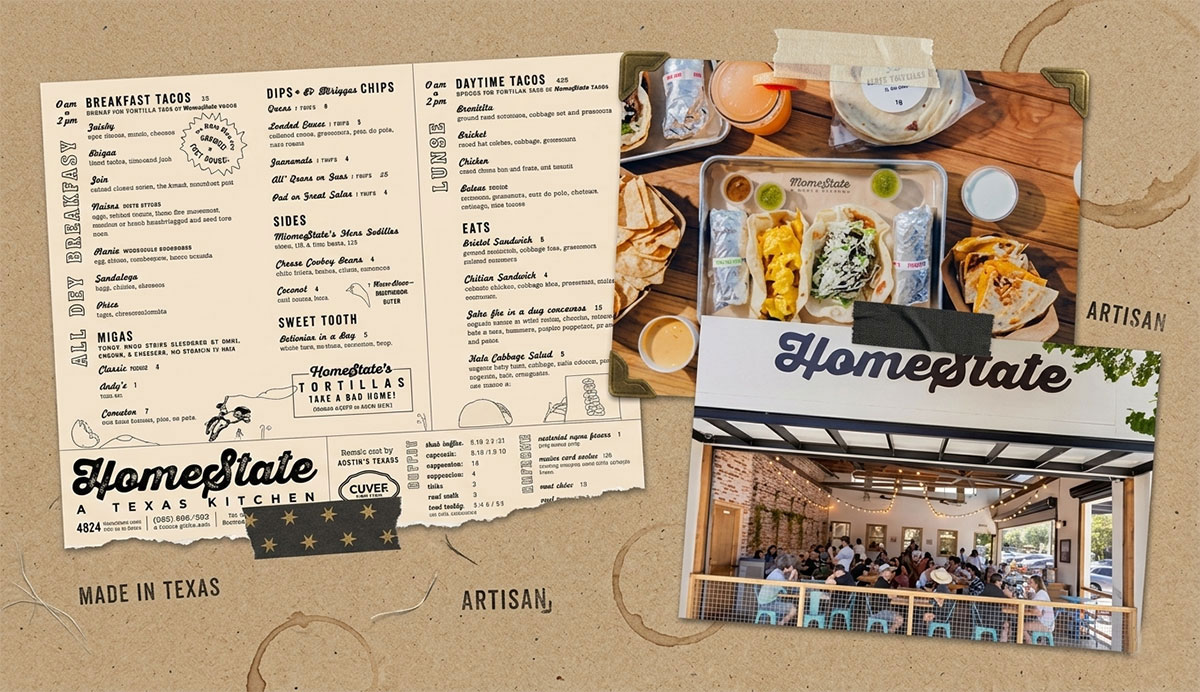
In a world of clean, corporate looks, the artisan restaurant logo design trend is a breath of fresh air. This style swaps "perfect" lines for hand-drawn art. It uses "imperfect" text and natural textures. By moving away from a cold, sterile look, brands show a human touch. Guests can feel the craft and warmth in the design.
How To Do It: Use "doodle" style art on your boxes. Use hand-written chalkboards for daily specials. Pick raw, recycled paper for your menus.
Where to Use It: This look is not just for the logo. It should go on custom-stamped bags. Use a "sketchbook" style for your social media posts. You can even use hand-painted signs on your building.
Why It Works: It creates a fast bond with the guest. A handcrafted look signals that the food is made with care. It shows that the meal is not just mass-produced.
Real-World Example: HomeState in Los Angeles is a master of this vibe. Their brand is built on hand-drawn art. Their logo feels like it was sketched in a notebook. From their menus to their flower art, the brand feels like a warm letter from a friend. This artisan path turned a simple taco shop into a famous brand with a huge following.
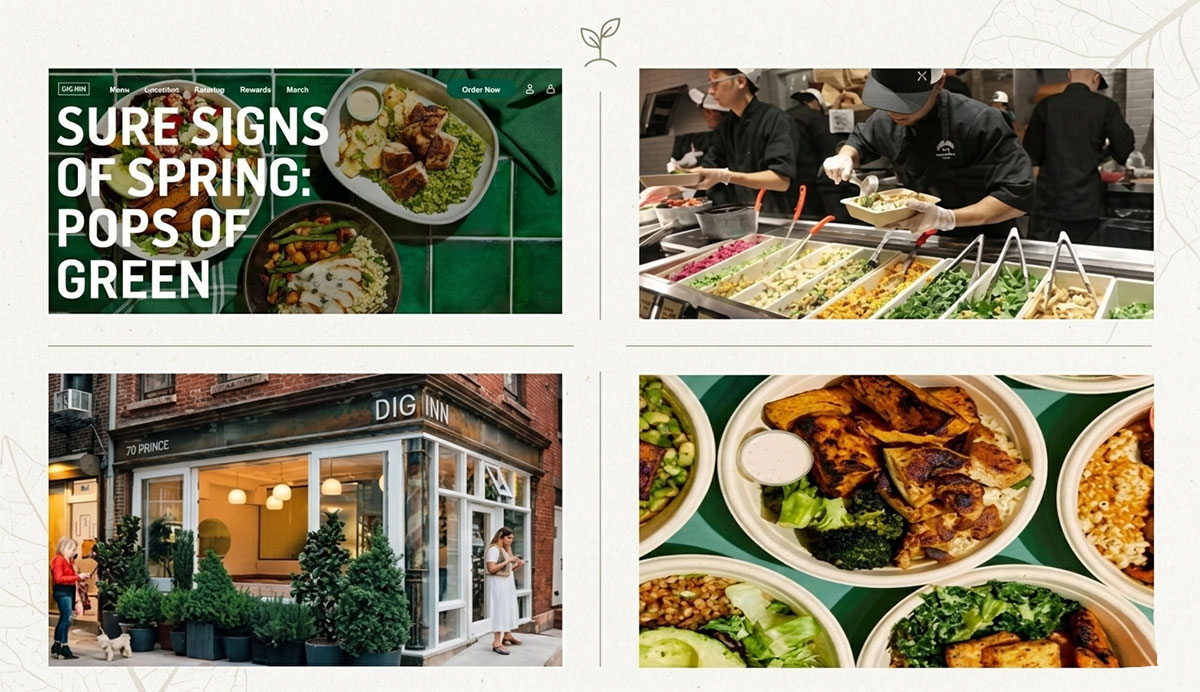
In 2026, sustainable restaurant branding is a must for every shop. It is now a main part of a brand's story. Young guests pick brands that share their values. This trend is more than just a trash bin. It means putting care for the earth into your voice and look.
How To Do It: Share stories about farm food. Put your green goals right on your menus. Use "seed paper" for your cards that guests can plant, or even a persuasive catalog design that details your supply chain.
Where to Share: Use your "Our Story" page to show where your food comes from. Train your staff to talk about your green goals. This makes the mission part of the guest's trip.
Why it Matters: When being green is a brand goal, it builds deep trust. Guests do not feel like they are just buying a meal. They feel like they are helping the world. This creates a strong bond with your brand.
Real-World Example: Dig in New York is a star here. Their brand is built on "fixing the food system." They use a simple, "earth-first" look. Their colors are dark green and white. Their site is not just for recipes. It shows their farm partners and chef training. By making the farmer the hero, Dig has become a leader in green food.
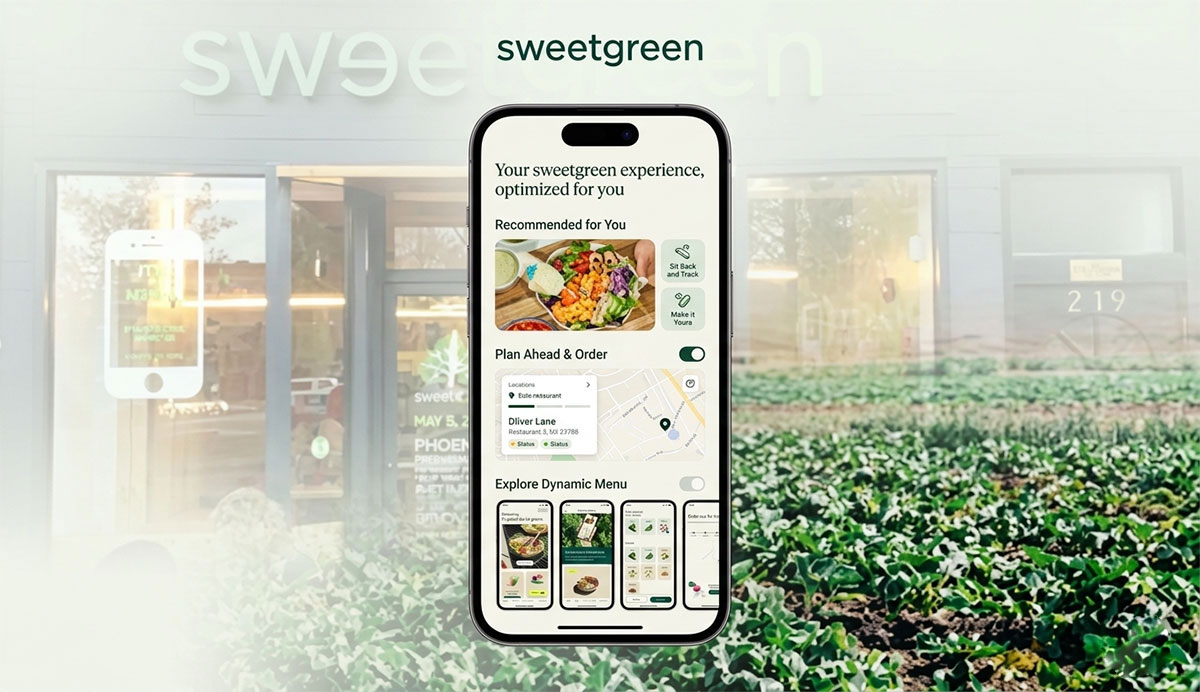
Being a "regular" is no longer just for small local shops. Now, big brands use AI to know your name. They use data as a form of digital care. By looking at how guests act, shops can give a 1-to-1 brand feel. This makes a meal feel made just for you rather than for the masses.
The Toolkit: Smart apps and loyalty clubs act as the brand's "memory." They send texts and emails based on what each guest likes. This helps the brand stay in touch at the right time.
How To Do It: This is more than a "Happy Birthday" note. It includes reminders sent just before a guest's usual dinner time. It also means the menu can hide foods that cause allergies.
The Winning Idea: Data is not just for math. It is for building a "digital bond." The brands that win are the ones that use tech to prove they are paying attention to what a guest loves.
Real-World Example: Sweetgreen is a star in this field. Their mobile app acts like a personal health guide. Their "Sweetpass" plan does more than give basic deals. It uses AI to make a game out of eating well. It tracks what you like and sets "goals" for you. This makes the app feel less like a shop and more like a partner in your life.
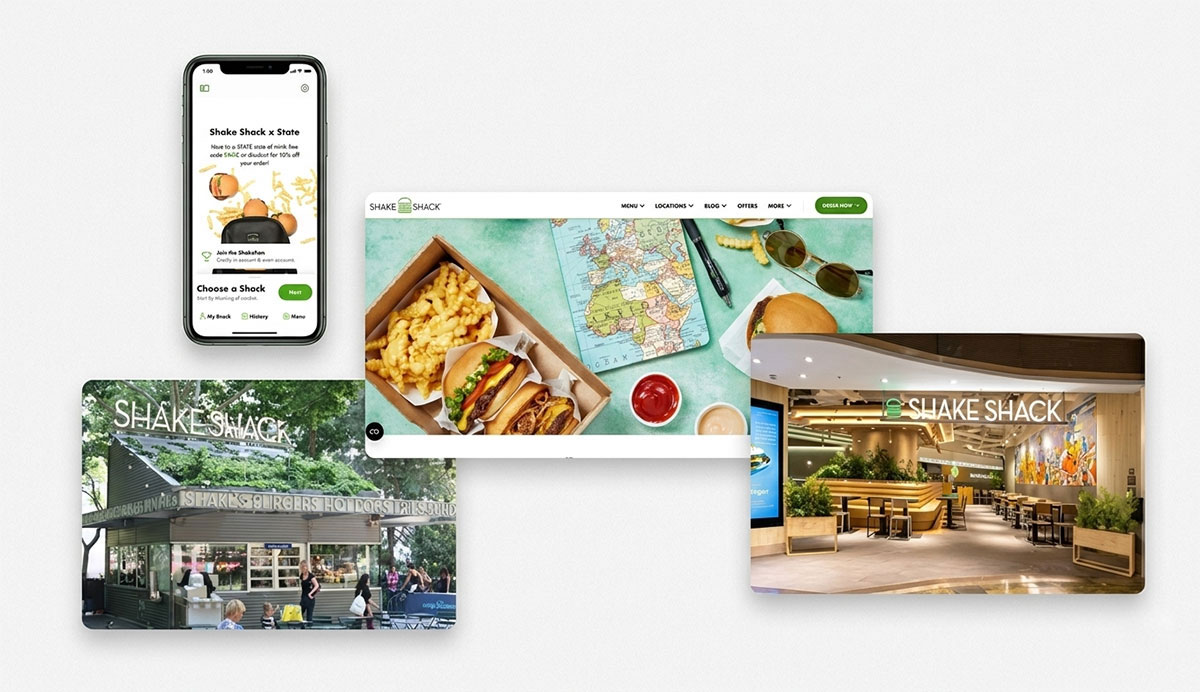
Being the same at every step is the thread that builds a habit. When a guest sees a fun post on your phone, they expect that same feel in the shop. They want that same vibe when they open a food app. This means your "brand soul" stays the same on a small screen or a big menu board.
The Map: This plan covers every "front door" of your shop. It starts with your web page and your social media feed. It also includes delivery apps and your main site. This way, the guest sees the same brand everywhere.
The Blueprint: Winning shops use a clear Style Guide. This is more than just a logo file. It is a set of rules for "how we speak" and "how we look." This includes choosing the best logo font and typography in logo design to ensure readability. It also shows "how we act" on every site. These rules, often documented in an industry booklet design, keep the brand strong and professional.
The Bottom Line: Mixing styles kills trust. Brands that stay the same are much easier to remember. In fact, this can lead to a 33% jump in sales.
Real-World Example: Shake Shack is a top case here. Their look is the same in all spots. You can see their special font on a big road sign. You can look at their clean, green social page. You can use their fast phone app. The "vibe" is always clear. Even their bags use the same art as their site. This ensures the brand feel stays strong once the food leaves the shop.
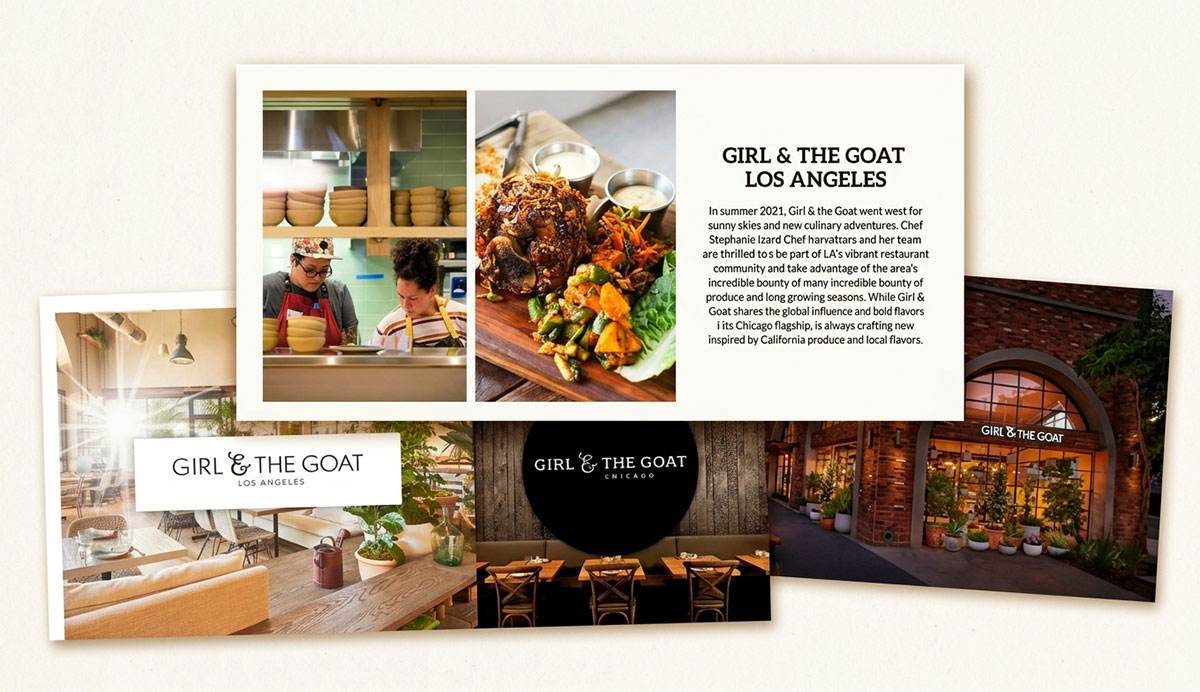
The era of the "faceless" shop is fading. Today, chef personal branding is turning experts into the heart of the shop. By putting a face to the kitchen, a shop moves from a "business" to a "story." This builds a level of trust that a logo alone can never reach.
The Trust Factor: When a guest sees a chef’s hands at work, a human bond is formed. This happens when a founder talks about a special spice. This move makes small shops stand out from cold, big chains.
The Content Loop: This trend lives on "raw" social media. It shows a morning run to the food market. It also includes "day-in-the-life" clips on YouTube. These bits of life show the heart behind the food.
The Shift: In 2026, we see a big rise in chef-led plans. The brand’s value is now tied to the chef’s skill. This makes the shop a top spot for the person as much as the plates.
Real-World Example: Girl & The Goat is a great case here. It is a top brand, but it is tied to chef Stephanie Izard. Her fun and high-energy style is everywhere. It shows in the goat art and her own line of sauces. Guests do not just go to eat. They go to see Stephanie’s world. This proves that a strong face can carry a shop across many cities.
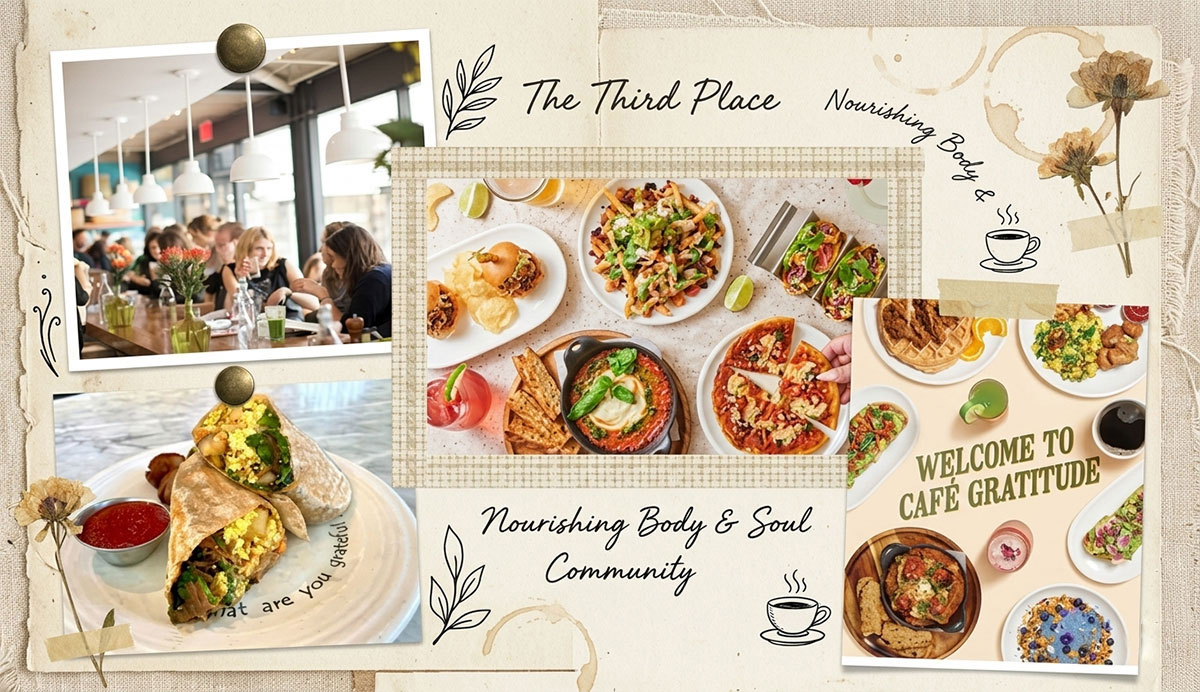
Modern branding is moving away from a cold, clean look. Instead, it feels like a warm memory. The nostalgic restaurant branding design 2026 trend is huge. It mixes old-school charm with a new, clean style. It uses "imperfect" art like film photos, hand-drawn stickers, and layered looks. This makes a new shop feel like it has been in your life for years.
The Hook: By using "lo-fi" parts like taped-on notes or old tickets, a brand feels warm fast. It moves the guest from being a "user" to being part of a personal story.
How To Use It: This is not just for print. Websites now use "scrapbook" layouts where images overlap. Boxes might use custom stamps or "doodle" art on tissue paper. Guests love to take photos of these bits to share online.
Why It Works: In a world of "perfect" AI art, the "messy" human look stands out. It feels real and easy to relate to. It is a look people can almost feel with their hands.
Real-World Example: Café Gratitude in California has mastered this look. Their site and menus use a mix of sun-lit photos and hand-written notes. They use layered art that feels like a personal diary. This branding does not just sell food. It sells a calm, local life that feels both old-school and fresh.
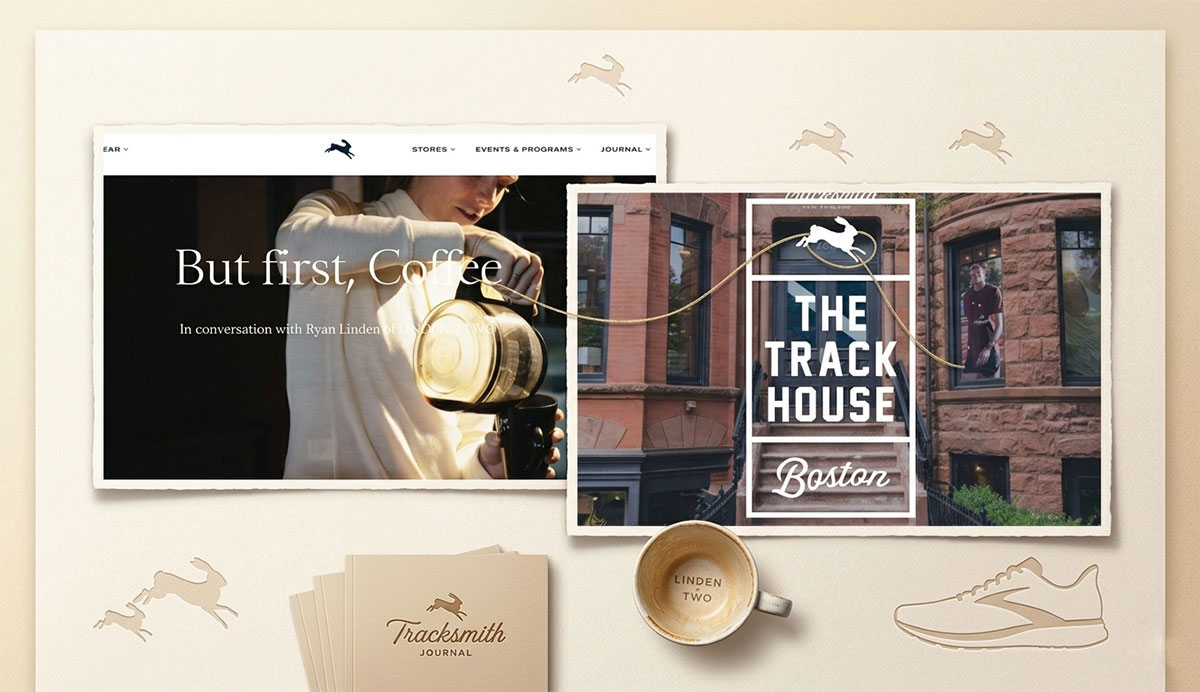
For the final trend, we move into the streets. A top local brand plan in 2026 is about more than just a meal. It is about being a "Third Place." This is the social spot between home and work. When a shop becomes a local hub, it is no longer just a business. It starts to be a landmark.
The "More Than Food" Plan: Use your shop for more than just eating. Host a local run club or a craft class. Hold a charity dinner for the town. This makes your space a pillar of the area.
Working Together: Work with local artists or gyms. This merges your look with the values of the people nearby. It builds a "halo effect." Your brand's name is then built on shared local goals.
The Edge: This shift turns a guest into a fan. People do not just "eat" at a local brand. They "belong" to it. This creates a shield against big rivals who do not have that true local pulse.
Real-World Example: Tracksmith in Boston is the gold standard for this. They have a café, but their brand is not just about coffee. It is about the culture of running. They host weekly runs and offer lockers for runners. They even have a library of old textbooks. Their look is classic and simple. It mirrors the grit of the local runners. They have built a "Third Place" that feels like a private club.
Trends are just the start. You must act to see results. Follow these steps for clear, expert guidance.
Before you change, see where you stand. Do not just look at your logo. You must look deeper.
Think of this as a check-up. It gives you a map to follow before you make big changes.
Not every trend fits every shop. You must match trends to your brand and what guests expect.
The goal is to be real. Your brand should feel true to you. It should not look like you are just chasing branding design trends.
Even the best ideas need expert help. Designers turn your vision into visuals. They make your brand feel polished. They make it easy to remember.
Think of experts as translators. They turn your brand DNA into real experiences.
Consistency is the core of a strong brand. A bold logo will not work if it looks different on each site.
Consistency builds trust. Guests know what to expect. This leads to loyalty and repeat visits.
If you read the top restaurant branding trends, you may have some questions in mind for your own spot. This part clears up common doubts. It gives sharp, swift answers so you can use these looks with ease.
Branding is the unique persona and narrative of your venue. It governs how guests perceive and recall your business. Potent branding fosters consumer trust. It builds long-term loyalty. It ensures your restaurant excels within a saturated market.
Primary elements include your logo, color schemes, and menu architecture. Staff conduct and interior aesthetics also play a pivotal role. A brand is an emotional bond. It is not just a visual asset. Every detail must align to create a seamless guest experience.
Trends keep your brand relevant and modern. For example, "social-first" layouts drive digital engagement. They increase brand reach. Immersive design encourages guests to stay longer. Trends should always complement your core concept. They should never replace it.
Constant changes are not required. Minor tweaks to photos or social styles can occur each year. A total brand evolution is best every five to seven years. You should also rebrand if your menu or target audience shifts.
Interior design acts as a visual storyteller. It shapes guest moods through lighting and textures. For instance, minimalist decor signals modern prestige. Warm, rustic themes suggest a sense of comfort. Design turns abstract values into a physical reality.
Boutique spots win through raw authenticity. They use niche stories. Hyper-local themes and unique decor create lasting memories. Big chains cannot replicate this. By highlighting your personal touch, you turn character into a market advantage.
Investment varies by scale. A small cafe might spend a few thousand dollars on basic assets. A premium venue may invest far more in custom design. The goal is to spend where it most improves guest perception.
Yes. Strong brands drive repeat visits. They generate organic referrals. A distinct identity also allows you to set premium prices. Ultimately, strategic branding is a key driver for guest traffic and long-term fiscal growth.
You have now journeyed through the most influential restaurant branding trends for 2026. These shifts represent the new pulse of the industry. The right branding is no longer just about a catchy name; it is the bridge between a culinary concept and a memorable guest experience. This applies to both your digital presence and your physical dining room.
It is time to evolve if your current identity feels stagnant. Your guest journey should never feel disjointed. Your food is exceptional, and your branding should reflect that world-class quality.
Well, subscribe to our hospitality design newsletter. Get weekly breakdowns on eco-friendly materials and menu engineering hacks. Learn about the latest sensory dining trends delivered straight to your inbox.
A trend is only as strong as the strategy behind it. Great restaurant identity must be more than trendy; it must be operationally sound and market-aligned.
Graphic Design Eye LLC specializes in branding services that go beyond simple logos, brand voice, and visual assets from scratch, tailored to your specific restaurant and your community’s intent.
We integrate psychology-focused design thinking to ensure your brand highlights exactly what your diners crave.
Do not settle for a quiet presence when you can create a local icon. Let us build a brand that tells your story and fills your seats.
Get in touch today and let us bring your culinary vision design!