TL;DR
If you've ever felt lost about what kind of restaurant to open, you're not alone. There are many different types of restaurants out there, and each one works differently. Some are fast and cheap. Others are fancy and slow. I'll break down the many categories so you can figure out what fits you best.
 Marketer
 Mar 06,2026
 19 minutes
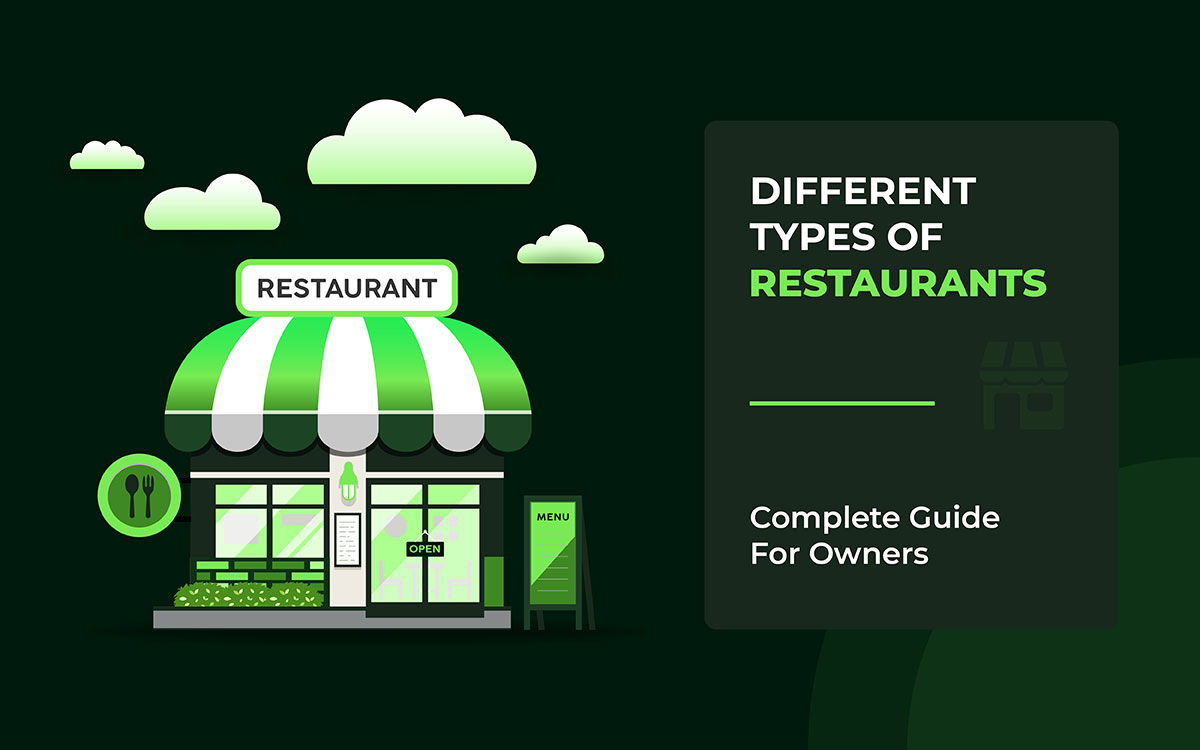


Starting a restaurant usually begins with one simple idea. But pretty quickly, things get confusing. Should you open a café? A fast casual spot? Or maybe a place that only does delivery?
There are so many choices today that it's easy to feel stuck before you even start.
Every restaurant type has its own way of working. Some are all about speed. Others are about giving people a special experience. Once you get how each type works, who it serves, where it fits, and what it's trying to do, picking the right one gets a whole lot easier.
So, keep reading to find the type that matches your idea.
Restaurant concepts come in many shapes and sizes. Each one is built for a different kind of customer, food style, and experience. Some are made for speed and ease. Others are all about the atmosphere and how the food looks on the plate. Every type has its own idea, price range, and expectations for customers when they walk in.
Here is a list of 20 different types of restaurants and their characteristics, showing how each one operates in today's food world.
Ghost kitchens are basically restaurants that exist only for delivery. There's no dining room, no waitstaff, and no face-to-face with customers. People place orders through apps like Uber Eats or DoorDash, and that's it. Since there's no need for a fancy space or a big front-of-house team, costs stay low.
In these restaurant styles, you can run several restaurant brands at once. You could launch a burger brand, a pizza brand, and a taco brand all from the same kitchen. It makes starting a new food business way faster and lets owners test out different menus without taking a huge financial risk.
Key Highlights
First-time business owners who want to open a cheap restaurant. One that focuses on delivering food online. And let's them try out new menu ideas without too much risk.
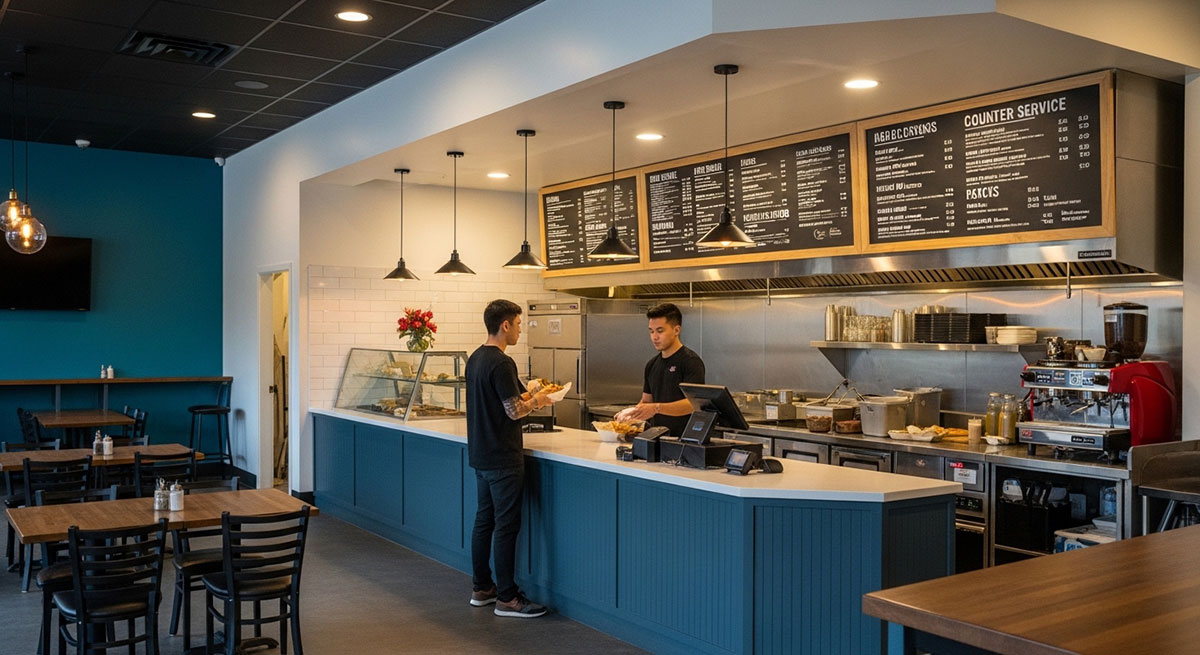
Fast-casual restaurants offer speed and good food. A customer walks up to the counter, places their order, and receives a freshly made meal. The vibe is chill but looks modern, and the menu has way more options than the typical restaurant. A lot of today's popular city restaurants have copied this style and made it their own.
Key Highlights
This is for first-time entrepreneurs who want to open a restaurant. The goal is to provide fresh food and instant service. And the target customers will be local people.
Vegan restaurants cook with vegetables, fruits, and grains. They skip meat and dairy entirely. This food style is getting popular really fast.
Why? Mainly because it's healthy, and more people are starting to care about the planet. As demand keeps rising, these restaurants are popping up all over big cities.
Key Highlights
People interested in exploring an idea around health and wellness, with a plant-based food choice.
At farm-to-table restaurants, the food comes straight from nearby farms and changes with the seasons. Diners love knowing exactly where their meal is from and that it was recently harvested.
Because the ingredients keep changing, the kitchen has to keep reinventing the menu. That constant refresh is actually a good thing. It means there's always something new to try.
Key Highlights
Individuals who care about healthy food and want to use fresh, locally grown ingredients in their meals.
Think chef's tables, open kitchens, or even cooking alongside the chef yourself. It combines cooking food with fun.
The idea is to give guests something to do while they eat. That way, people walk away remembering the whole night, not just what was on their plate.
Key Highlights
Owners who want different types of restaurants, where people can eat, hang out, and enjoy something exciting together.
Eco-friendly restaurants work hard to protect the planet. They cut down on waste and choose materials that don't harm the environment.
Many avoid plastic entirely and find smarter ways to save energy in the kitchen. As people start caring more about where their food comes from, running a business this way builds a strong, trusted reputation over time.
Key Highlights
Restaurant owners who want a green food business for customers who care about the planet and want to make better choices when they eat out.
These modern restaurants run on technology. They use digital tools to serve customers and manage daily tasks. For example, you can scan a QR code to view the menu, place an order at a self-service kiosk, and pay online without waiting in line.
On top of that, some of these places use robots in the kitchen. This helps them work faster and make fewer mistakes when preparing food.
Key Highlights
People who want to open new kinds of restaurants that use technology to speed things up and cut down on doing everything by hand.
Virtual restaurant brands exist only online and share one kitchen to prepare all their food. There's no dining room, no storefront, and no place for customers to walk in. This setup lets a single kitchen run several different menus under completely separate brand names.
It's also a low-risk way to try out a new food concept without spending a ton of money upfront.
Key Highlights
New food businesses want to try out different menus from a single kitchen, all for delivery apps.
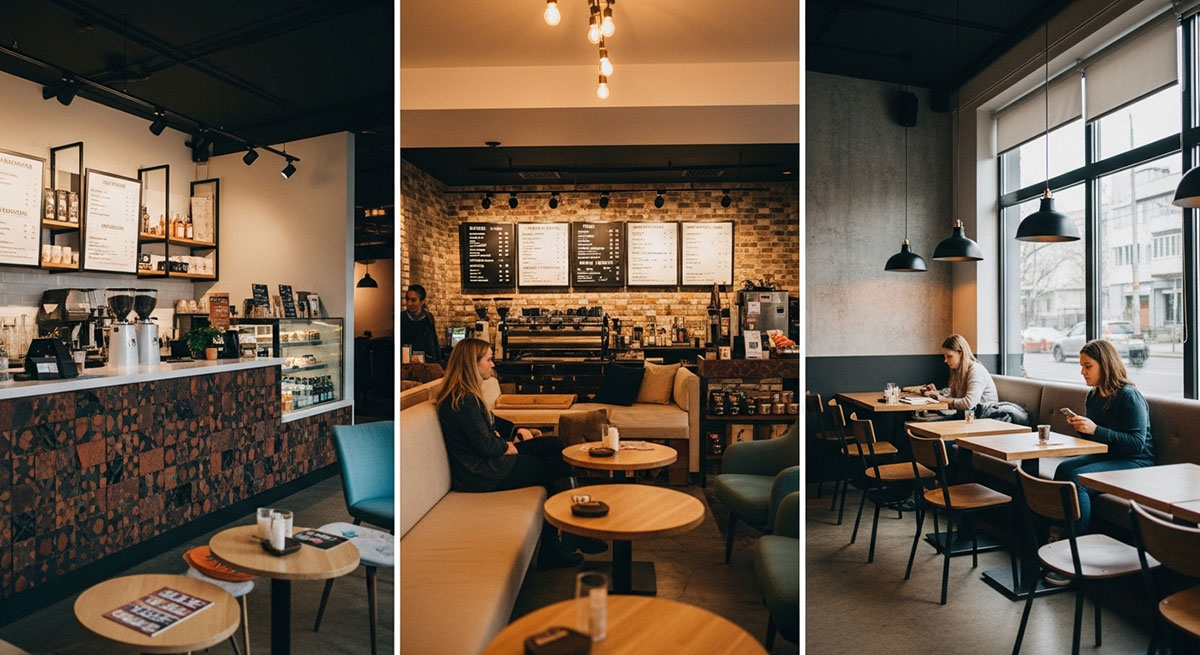
These cafes are all about great coffee. They use fresh, high-quality beans that cost more money. The baristas really know what they're doing, and that makes the whole visit feel special.
Most of these spots have comfy seats where you can hang out as long as you want. Young people and those who work from home absolutely love that about them.
Key Highlights
Newcomers who want to create a cozy coffee shop vibe, with a drinks menu, and relaxed spots where customers can just hang out and chill.
These restaurants mix food styles from different cultures. Think of Korean tacos or pasta cooked the Japanese way. The idea brings fresh, unexpected flavors together and attracts people who enjoy creative menus. Every meal feels like a little adventure.
Key Highlights
Entrepreneurs who want to mix things up by blending foods from different countries into one menu.
As health-focused meal-prep restaurants continue to grow, more people are choosing them for balanced meals that fit their diets. These spots show calories and nutrition facts right on the menu. It makes them a great choice for anyone chasing fitness goals or juggling a packed schedule.
Key Highlights
Meal prep restaurants built around healthy eating are a great fit for entrepreneurs who want to serve health-conscious customers. These are people who want fast, ready-made meals but still care about what's in their food.
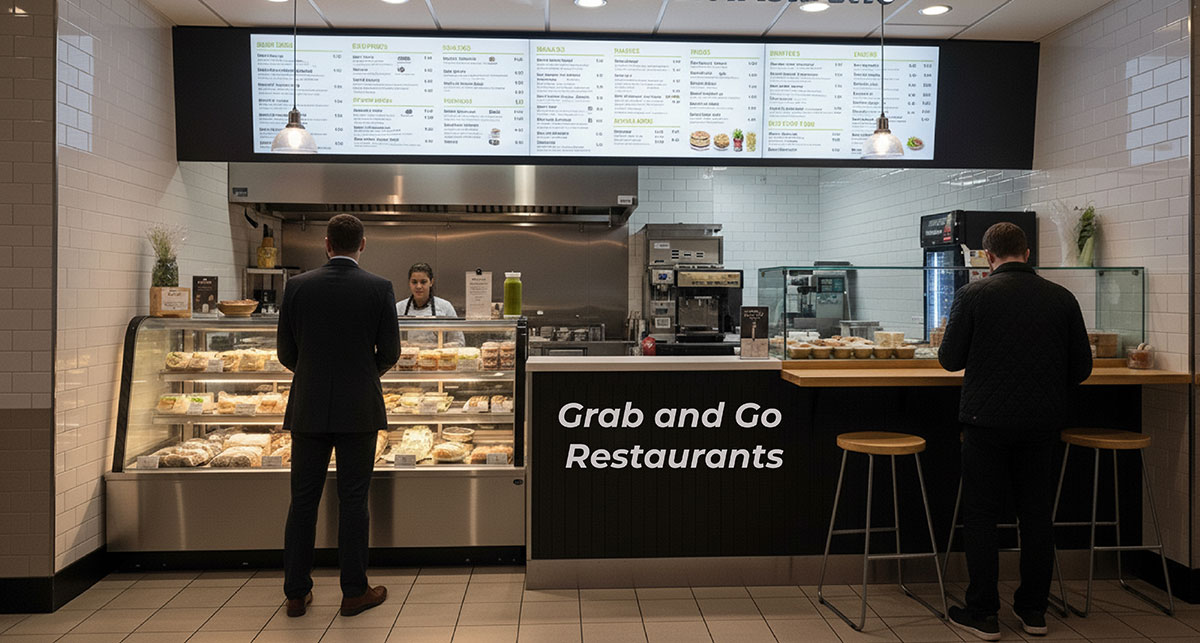
Among today's dining options, grab-and-go restaurants stand out for their quick, easy service. This style lets customers pick up ready-made food and leave without sitting down or waiting long, which works great for busy students and office workers. Because of that, the menus stay short and simple, so everything runs smoothly and fast.
Key Highlights
Newcomers searching for quick-service spots in busy areas where seats are hard to find.
Street-food concept restaurants bring the street-food experience indoors. The dishes look and taste exactly like they would from a roadside vendor — same presentation, same vibe, just a different setting.
Basically, you get the same food you'd grab from a street stall, but you're sitting in a proper restaurant instead of standing next to a truck. It's a popular trend, and many places are jumping on it right now.
Key Highlights
Owners who want restaurant ideas inspired by local street food, but served in a clean indoor space.
Micro restaurants are a fresh idea in the food world. Instead of big spaces packed with tables, they keep things small and focus on making really good food. It's about serving fewer people but giving them an amazing meal.
Going small also saves money. Less space means cheaper rent, and fewer customers means fewer staff. That's why so many new restaurants are starting this way.
Key Highlights
New business owners who want to open a high-end restaurant but don't have a lot of space to work with.
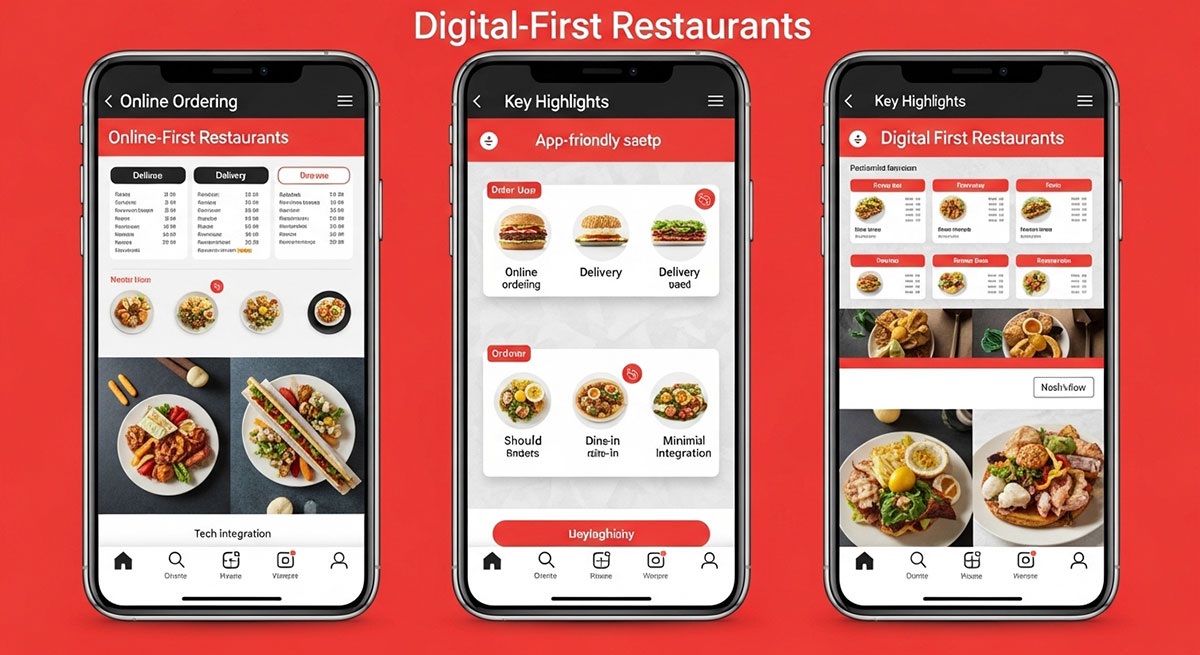
Online-first restaurants exist mainly on your phone or computer. You order through their app or website instead of walking in. This works really well in busy cities where people are always on the go.
These restaurants don't need a big dining room, so they can handle tons of orders without the extra space.
Key Highlights
Restaurant owners are exploring internet-based eateries designed for today's tech-savvy crowd.
Instagrammable restaurants are built to look amazing. People who eat there care a lot about the vibe and how everything looks together. Taking photos of the food and the décor is basically part of the experience.
These spots are huge with younger crowds, since they're basically designed to shine on social media.
Key Highlights
Those who want to use their business skills to build different types of restaurants that also make a difference in people's lives or the local community.
Global fast-food chains mix world flavors with local tastes on their menus. They make their food feel special by using local ingredients and offering dishes unique to each location.
On top of that, people get to try foods from other cultures without leaving their city. All kinds of restaurants have started doing this to attract more customers from diverse backgrounds.
Key Highlights
This works best for restaurant owners who want to serve food from around the world to people of all backgrounds and cultures.
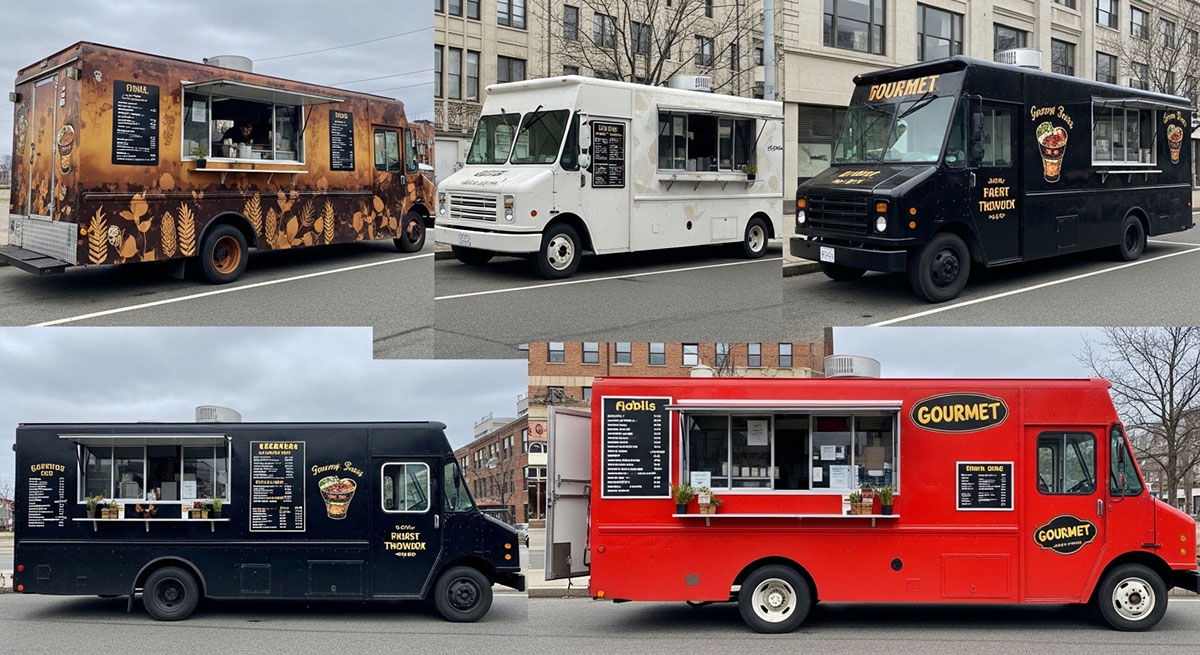
Street food trucks aren't just for hot dogs anymore. Some trucks now serve really high-quality meals you'd expect from a fancy restaurant. They use fresh, top-notch ingredients and keep things interesting by regularly switching up their menus. You'll usually spot them at events or busy street corners where hungry crowds gather.
Key Highlights
This option is for people who want to open a restaurant but don't have much freedom. You can't choose just any location, and you don't have much money to spend.
Multi-cuisine cloud kitchens are restaurants in which a single kitchen cooks for multiple brands at once. Think of it like one chef running five different menus under five different names. It's a smart way for people starting a food business to try out new ideas online without spending too much, and it's catching on fast.
Key Highlights
Entrepreneurs looking to start a restaurant checked out which types of food were popular on delivery apps.
Brunch spots are open all day and serve breakfast, lunch, and light dinner. The food is cozy, and the seating is chill. You can show up whenever you want to eat. This fits perfectly with how people in cities like to live today. This is one of the most popular restaurant types around the world now.
Key Highlights
People who want to open cafes that serve food all day, for busy city dwellers.
Before you spend serious time or money on different types of restaurants, take a step back. Think about what's popular right now, what nearby restaurants are already doing, and how complicated running your place might get. Also, think about the vibe you want to offer.
Getting this decision right early on helps you move forward with a clear head. You'll make fewer expensive mistakes and build something that actually matches your goals.
Your money decides what type of restaurant you can actually open. Some restaurants cost way more to run than others. Food trucks and cloud kitchens, for example, are much cheaper to start than fancy sit-down places.
Think about all the costs too: setting everything up, paying monthly rent, hiring staff. Add up what you've got, then pick a restaurant that matches your budget.
Each restaurant concept targets a different customer type. Some patrons want a quick meal, while others seek a long dining experience. For instance, fast-casual restaurants suit office workers' needs.
On the contrary, casual-dining restaurants are better aligned with families' needs. Therefore, it will benefit you to understand your local customers so you can select restaurant concepts that meet their needs.
Each restaurant type is made for a different kind of customer. Some people want to eat fast and leave, while others enjoy sitting down for a long meal. Fast-casual spots, for example, work great for office workers on a lunch break. Family restaurants, on the other hand, are designed for parents and kids to dine together.
So, take time to learn about the people living near you. Picking the right restaurant style for your neighborhood can make a huge difference.
Restaurants don't all work the same way. Some take your order at a counter. Others seat you at a table with a waiter. Some places only do delivery and run with just a small team.
So first, decide how you want customers to experience your place. That choice will shape which service style makes the most sense for you.
Your menu should match your restaurant's vibe. Say you want fusion food that fits a trendy, creative spot. Classic comfort food works better for a cozy, family-style place.
Also, fast-casual restaurants usually keep their menus short and simple. So, figure out what food you want to serve first, then pick the right type of restaurant to suit it.
Some restaurants are all about speed. Others want you to feel cozy, or even have fun while you eat. Certain places let you interact with the food or the chef. Others just get you in and out fast because they know you're busy.
That's why you need to decide what feeling you want to leave your customers with. Once you know that, the whole point of your restaurant becomes obvious.
The number of staff you need depends on the type of restaurant you run. A fine-dining restaurant needs a full, well-trained team, while a food truck or cloud kitchen can get by with just a few people.
Keep in mind that tech-heavy restaurants often need less staff overall, so pick your restaurant type with your hiring plan in mind.
Some restaurant types grow faster than others. Delivery-based restaurants tend to take off quickly online. Casual dining spots grow, too, just more slowly and steadily.
Themed restaurants are different. They build fan bases over time and keep customers coming back. Think about what you want your place to feel like. Then choose the style that matches that idea.
Different types of restaurants work in different ways. Some focus on speed and convenience, like fast food. Others focus on comfort and top-notch service, like fine dining. The setup, menu, and how staff serve customers all depend on what kind of place it is.
The style of a restaurant also affects how long people stay. A cozy, casual spot feels perfect for a family dinner where no one's in a rush. A fast-casual place pulls in people who just want a good meal without the wait.
Little things shape how customers feel, too. Lighting, noise, and decor all leave an impression. Some places have open kitchens, so you can watch your food being made. Others go all-in on a theme to give you something to remember.
All of this matters more than people think. The vibe of a restaurant can lift your mood, leave you happy, or make you want to come back.
Below, we've pulled together the most common questions people ask about restaurant categories. Each answer cuts straight to what matters, so you can compare your options and pick what works best for you.
Fast-casual and fast-food places tend to fail less often than fancy restaurants in their first year. Fast casual spots failed at a rate below 1%, while fine dining hit nearly 5%.
Where you set up your restaurant can make or break your business. Fast food spots tend to do well in busy commercial areas with lots of foot traffic. Quieter, residential neighborhoods are usually a better fit for cozy cafés or family-friendly restaurants.
Pop-up kitchens, food trucks, and online-only food brands don't need much room or a big team. They skip the whole sit-down restaurant thing.
Yes. Not knowing what kind of restaurant you want to run is one of the biggest reasons new restaurants fail. When you have a clear idea of what your place is about, everything else gets easier.
Selecting different types of restaurants to operate is your first step. But just choosing a concept doesn't guarantee your business will do well.
Your location might not be a good fit for the customers you're trying to reach. Your menu might not match what people in the area actually want. Your service might feel too slow when things get busy. And if customers wait too long or get bad service, they'll blame your restaurant, not the concept you chose.
As your business grows, you'll realize that picking the right category is just the beginning. Keeping service quality high, designing a smart layout, building a brand, and standing out from the competition all take real effort and expert help.
When you're building or rebranding, your appearance needs to match your brand perfectly. That means staying consistent across everything: your logo, printed and digital menus, signs, packaging, social media post designs, etc.
Speaking of designs, Graphic Design Eye LLC can be your biggest assistance in this. We can design anything for your new restaurants with a price you can afford. In fact, you can save up to 50% with us compared to other graphic design agencies.
So let’s get started with your new restaurant. Be the cook of your own fate!🥂