How to write a perfect T-shirt design brief so your designer properly understands your vision and delivers exactly what you expect? It’s all about explaining your objectives, audience, design concept, and brand guidelines clearly. A well-structured brief saves time, reduces revisions, and helps designers bring your vision to life exactly as intended.
 T-Shirt Design
 Jan 22,2026
 16 minutes
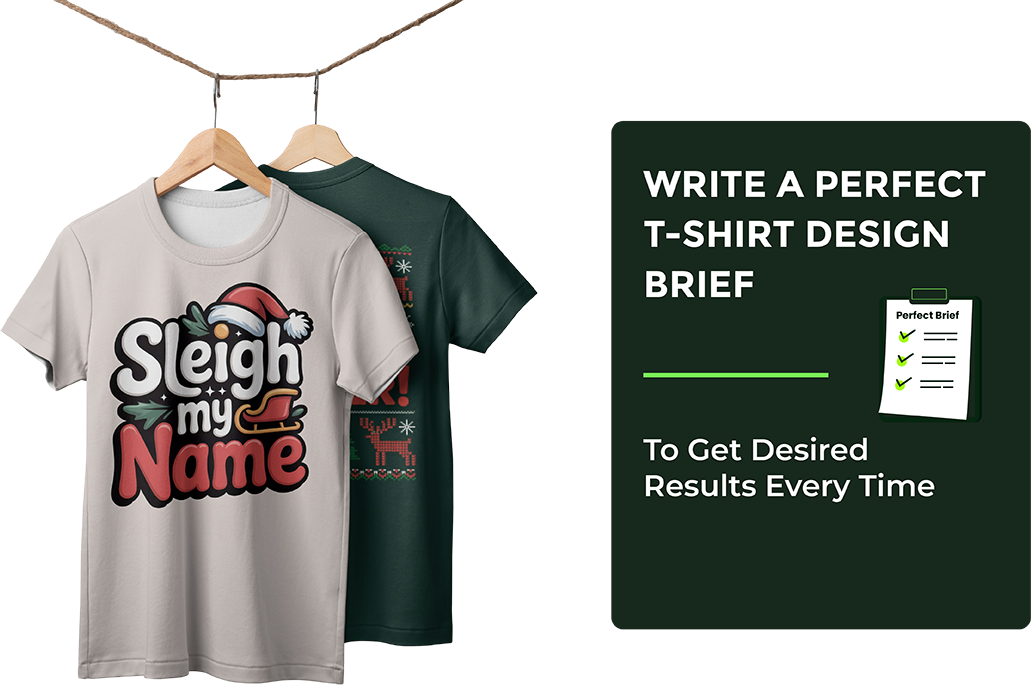


Making a perfect design brief requires explaining your brand, who you want to reach, the style you like, and the project goals. The more detailed you are, the better the designer can bring your t-shirt design idea to life. When your instructions are clear, you’re more likely to get a design that not only matches your vision but even surprises you in a good way.
If you’ve ever felt frustrated because a project didn’t turn out how you imagined, this guide will make things much easier. You’ll save time, avoid confusion, and get designs of your liking.
Let’s get started and learn how to write a perfect T-shirt design brief that delivers exactly what you want.
A t-shirt design brief is a paper or document that explains your design project. It shows what you want, what’s required, and what you expect. This way, designers know exactly what should be made.
There’s a big difference between giving a vague idea and writing a clear brief. If you just say, “I want something aesthetic with a vintage vibe,” it’s unclear. A good graphic design brief for t-shirts gives details. For example, who will wear it (young people in Toronto), the style you like (1970s retro with warm colors), and how it will be used (for a sustainable fashion brand). Being clear removes confusion and saves time and money.
When designers get a good brief, they use it as a guide the whole time. Studies show that clear briefs can make a custom t-shirt design more successful by about 45% because everyone knows what to expect. Designers use the brief to make choices about fonts, images, colors, and layout. It turns your idea into a real design that connects with your audience in the UK, US, and Canada.
A t-shirt design brief matters because it tells the designers what you want, who your audience is, your style ideas, and the project rules before they start working. It’s the ultimate roadmap in a T-shirt design process. Everyone heads in the same direction with its help. Without it, designers have to guess what’s in your head, and guessing costs money.
Studies show that bad briefs waste 30% of agencies’ time. Projects with unclear instructions often go over budget by 25–40%. Every extra round of revisions adds 10–15% more to the cost. Confusing instructions usually cause three or more revisions.
A good brief stops this waste. It saves you from endless emails, extra revisions, and rising costs, and ensures that the designers get your vision from the very start. That way, you don’t end up with a design that doesn’t suit your brand or audience.
Whether you’re a clothing brand launching new shirts, a print-on-demand seller managing designs, or handling event projects, an apparel design brief helps you talk to designers clearly. You’ll learn how to explain your needs, set realistic expectations, and get designs right the first time, saving money and stress.
A clear clothing design brief helps designers understand your minimalist t-shirt design ideas. It should cover your objectives, audience, design concept, brand rules, and file type.
Below, we’ll show how to write a perfect t-shirt design brief step by step that saves time, avoids mistakes, and delivers the expected result every time.
Before anything else, explain why you need this t-shirt design. This objective becomes the foundation that guides every creative decision your designer makes. Ask yourself. Are you:
Each goal affects the design. For example, corporate event shirts need clean, professional branding, while limited-edition streetwear requires bold, eye-catching graphics. Knowing your goal will help you choose the right colors, fonts, and overall style.
Next, be clear about what you want the design to do. Should it:
When the designer understands the desired emotional or behavioral response, they can create visuals that fit that goal. A cause-related shirt may use strong imagery and text, while a retail shirt may focus on style and wearability.
Your objective doesn’t need to be long. It just has to be clear. A perfect t-shirt design brief example for stating objectives would be like this: "We need 50 t-shirts for our annual charity run to raise awareness for mental health. The design should inspire participants and make non-runners curious about joining next year."
That’s it. These simple lines tell your designer the purpose, audience, and impact you want. Hence, you get the desired result you imagined.
Knowing who will wear your t-shirt is important. A design that works for teens into streetwear will look very different from one made for office workers or sports teams. Who you’re designing for affects everything: the graphics, colors, and even the style.
First, think about the basics. How old are they? Are they teens (13-17), young adults (18-30), adults (30-50), or a mix? Does gender matter for your design? Many t-shirts today are made for everyone.
Next, think about their lifestyle and interests. Are they skaters, gamers, fitness freaks, parents, activists, or music festival fans? What do they care about? What brands do they already like?
Then, look at the type of market you’re targeting. Streetwear fans want bold and exclusive designs. Office clients need professional styles that fit at work. Sports teams like energetic graphics. People are buying print-on-demand shirts with funny, niche, or trendy designs that big brands don’t make.
So, what would you write in this section in the design brief? Here’s an example:
The better you know your audience, the easier it is for a designer to make a t-shirt that connects with them. Understanding what your audience likes, how they behave, and what matters to them is just as important as knowing their age or gender.
This is where you turn the idea in your head into words for your designer. You don’t need to be a design expert. Just be clear about what you want your t-shirt to say and feel like.
Start with the mood or theme. Do you want it bold and loud to grab attention? Or simple and clean, with lots of space? Maybe retro, inspired by the 70s, 80s, or 90s. Edgy and unusual. Or fun and playful, with humor or cute details. The mood will guide every part of your design.
Include any words, inspiring slogans, or quotes that should go on the shirt. Be exact, spell everything correctly, show capitalization, and say which words should stand out. If there’s a story behind the design, share it. Maybe it’s an inside joke, a tribute to a special place, or a symbol that represents your brand. Everything helps the designer to make the design feel real and meaningful.
Next, describe the illustration or graphic style. Should it be flat and modern, vintage with rough textures, abstract, photorealistic, hand-drawn, or geometric? Say what colors you like or don’t like. Do you want lots of bright colors or just one color? Are there brand colors to use? Avoid colors that don’t print well on certain shirts; bright colors pop on black, and pastels look better on white or cream.
Finally, give visual references. Share links, Pinterest boards, Instagram screenshots, or examples from brands you like. You can say, “I like how this design uses space” or “This color combo is perfect, but with a different graphic.” References help the designer see exactly what you mean.
If your t-shirt design represents a well-known brand, you need to provide clear brand guidelines. These guidelines will keep the design consistent and professional.
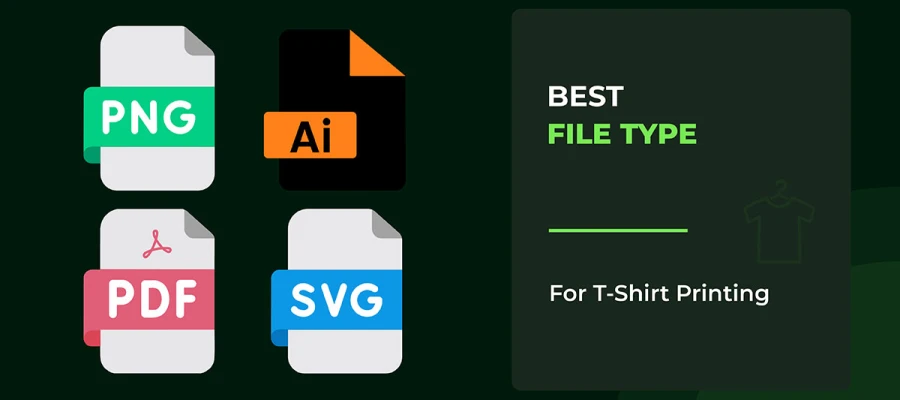
Provide all logo files in different formats. Include vector files like AI or EPS for scaling. Also include high-resolution PNG files with transparent backgrounds for flexibility.
Add clear usage rules. Explain what to do and what not to do. For example:
These rules protect the brand and prevent common design mistakes.
Also, share your brand’s color palette with exact values: HEX, RGB, and CMYK codes. Add typography details, such as approved fonts and sizes. Include any visual elements that show the brand’s style.
Research shows that keeping your brand consistent on all platforms can boost revenue by up to 23%. That’s why these guidelines are so important.
If the brand has limits on the style of images, the tone, or the messages, write those down too. This way, designers know exactly what to do. And the result will look good everywhere: on websites, in stores, or at events.
In the final segment of your brief, clearly define how the design will be used. Specify whether it’s intended for an online store like Shopify or Etsy, for print-on-demand platforms such as Printful or Printify, for bulk orders with a local screen printer, or for limited-edition items for special events. Each scenario requires different technical specifications, so providing this information upfront ensures the design meets your needs.
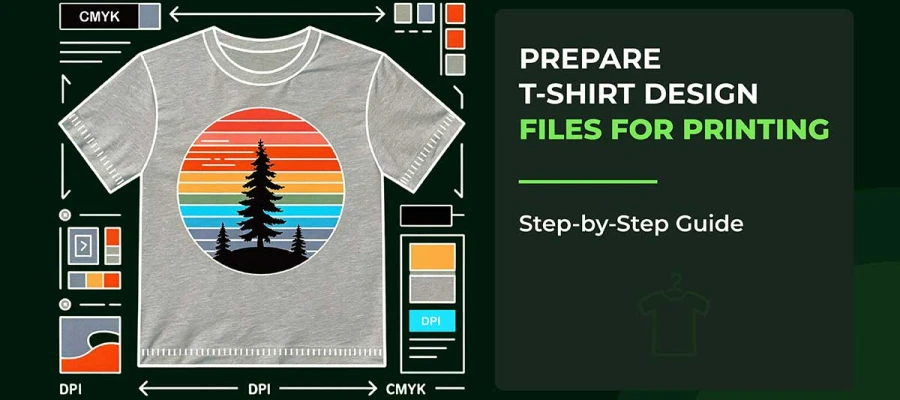
File formats always matter. Ask your designer for vector files (AI, EPS, or PDF) for easy resizing and high quality at any size. For raster graphics, request high-resolution PNGs with transparent backgrounds or layered AIs for future editing.
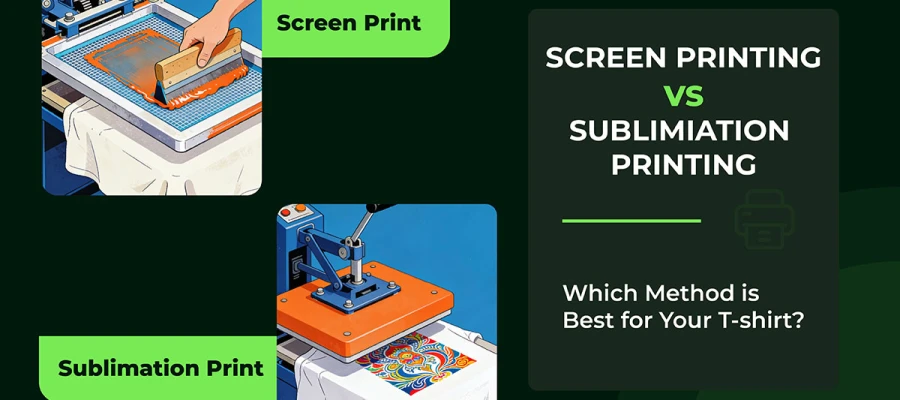
Color mode depends on your printing method. Most POD platforms use RGB, as their digital printers are optimized for it. Traditional screen printing usually needs CMYK for accurate colors. Always check with your printer first to avoid color problems.
Resolution is important. Specify at least 300 DPI at the actual print size (often 12" × 16" for t-shirts). This gives sharp, professional results without pixelation. Some POD platforms accept 150 DPI, but 300 DPI is the standard for premium quality.
Add other technical details too. Mention maximum file size, bleed (usually 0.125"–0.25"), and whether you need separate files for different garment colors. Clear instructions make production smoother. They save time, reduce costs, and ensure your final product matches your vision.
That’s all! If you feel overwhelmed about how to put these things altogether, we’ve created a custom t-shirt design brief template for you. As per your need, you can edit and submit it to your printing company:
Create 150 t-shirts for an environmental awareness campaign to inspire community participation and encourage eco-friendly habits. The design should be engaging, memorable, and promote positive action.
Adults aged 25–40, all genders, environmentally conscious, enjoy outdoor activities, follow sustainable lifestyle brands, and prefer minimalist, meaningful designs over flashy graphics.
Mood should be calm, uplifting, and nature-inspired. Include the slogan “Protect Our Planet” prominently. Use modern sans-serif or hand-lettered fonts. Visual style should feature simple illustrations like trees, waves, or mountains, with soft, earthy colors. References include Pinterest boards and Instagram screenshots showing serene, nature-focused designs.
Provide the logo in vector (AI, EPS) and high-resolution PNG formats. Include exact color codes (HEX/RGB/CMYK), approved typography, minimum clear space rules, and logo usage limits to maintain brand consistency.
The shirts will be screen-printed on organic cotton. Deliverables must include AI and PNG files, CMYK color mode, 300 DPI resolution, bleed (0.125"), and separate files for light and dark garments. Ensure designs are print-ready and scalable for different sizes while adhering to brand standards.

A well-crafted design brief is the backbone of any successful t-shirt project. Skipping over crucial details or leaving objectives vague can quickly turn what should be a smooth process into a frustrating cycle of revisions and miscommunication. Here are some of the most common mistakes and how to avoid them.
One of the biggest pitfalls is an unclear or overly broad design vision. Phrases like “make it look cool” or “something trendy” don’t give designers anything concrete to work with. Without a clear direction, designers may create work that misses the mark entirely, leading to wasted time and resources.
Actionable Advice: Clearly outline the purpose of the t-shirt and the message it should convey. Include specifics about the tone, style, and visual elements you want. Providing examples of designs you admire can also help communicate your vision more effectively.
Designs that resonate with one group may flop with another. Neglecting audience demographics such as age, interests, location, or lifestyle can lead to designs that fail to connect with the intended market. For example, a highly niche, edgy design may not appeal to a broad corporate team event, no matter how “cool” it looks.
Actionable Advice: Define your target audience before beginning the design. Include details like preferred colors, styles, and messaging preferences. The more insight you provide about who will wear the t-shirt, the more your designer can tailor a design that speaks directly to that audience.
Even the most brilliant design ideas can become impractical if they don’t align with budget realities. Complex prints, multiple colors, specialty inks, or oversized placements can drive up production costs unexpectedly. Designers need to know the financial boundaries so they can recommend cost-effective solutions that don’t compromise quality.
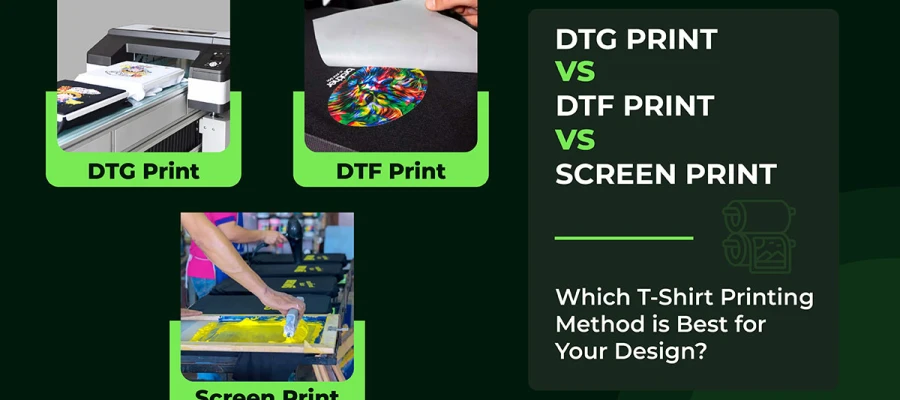
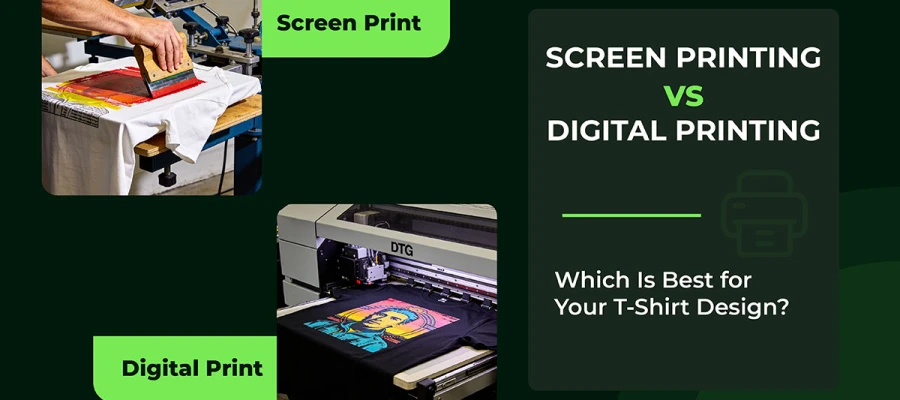
Actionable Advice: Be upfront about your budget and consider discussing options like screen printing versus DTG (direct-to-garment) printing or single-color versus full-color designs. A designer can provide creative alternatives that achieve your vision while staying within budget.
Some clients assume that every concept can be easily translated onto fabric exactly as it appears digitally. This misunderstanding can lead to disappointment when certain effects don’t reproduce well on t-shirts.
Actionable Advice: Ask your designer to explain any technical limitations upfront. Understanding what works in print versus what works on screen can save headaches and ensure your design translates beautifully from concept to finished product.
Still have some questions about making a design brief? Here are the most common questions to help you create a clear and effective brief.
Use simple language. Describe the mood, message, and feeling you want the design to convey. Reference existing designs you like and explain why you like them.
Yes, it would be so helpful for the designer. Visual references reduce guesswork and help designers align with your expectations faster. Just make sure examples are for inspiration, not copying.
You can reuse a template, but always customise it for each project. Every design has different goals, audiences, and constraints.
A t-shirt design brief should cover objectives, audience, style, colors, fonts, graphics, theme, print method, placement, materials, budget, and timeline to guide the designer clearly.
Congrats! You now have everything you need to know about how to write a perfect t-shirt design brief. You know how to set clear goals, find your audience, and explain your ideas in detail. You even learned how to include technical stuff like file types and brand rules.
But even the best brief can only do so much. You need a team that can make it real. That’s where Graphic Design Eye comes in.
Since 2016, we’ve helped thousands of businesses and creators turn their ideas into real designs. Our team comprises over 300+ designers, works around the clock, and has completed more than 1,300 t-shirt projects to date.
Whether you’re starting a POD business or you have a business, making brand merch, or designing limited-edition shirts, we deliver ready-to-print files. We undergo unlimited revisions and consistently meet deadlines. You can save up to 50% on design costs with us while still getting top-quality results that help your business grow.
So, bring your T-shirt business to life with Graphic Design Eye. Our team knows how to make t-shirt designs that are ready to print. You can get your designs in any format you need. We offer unlimited revisions and always deliver on time.
No matter if it’s exclusive limited-edition tees, a new POD store, or branded merchandise, Graphic Design Eye provides custom t-shirt design services people can’t resist. Save time, spend less money, and get amazing results.
Reach out to us now and see your perfect T-shirt design come to life.