TL;DR:
Are you having trouble creating T-shirt designs that really inspire people to support your nonprofit? Designing T-shirts for nonprofits is about telling a story people want to wear. In this guide, you’ll learn how to design T-shirts for nonprofits and charities for your target supporters and craft messages that spark emotion.
 T-Shirt Design
 Feb 08,2026
 17 minutes
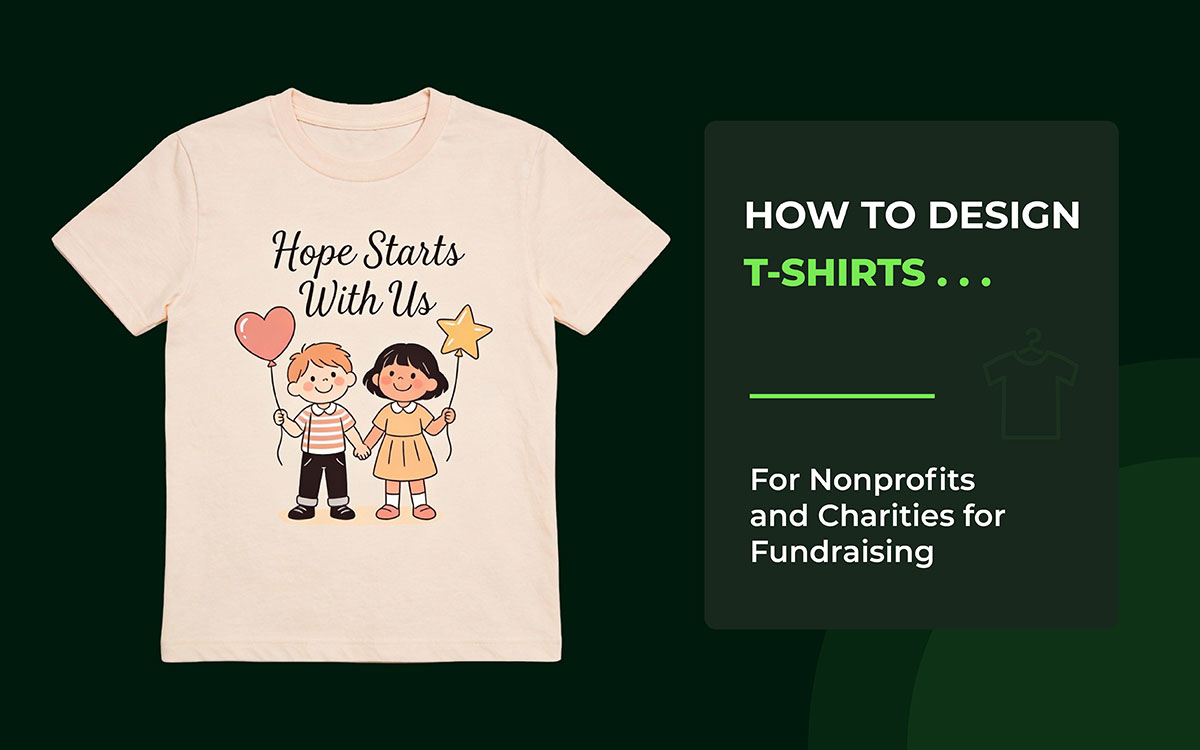


Designing T-shirts for nonprofits is more than picking colors or adding a logo. It’s about telling stories people want to wear.
The right design can turn casual supporters into passionate advocates. It can also turn small fundraisers into campaigns that raise thousands of dollars.
What makes a T-shirt go from a drawer to someone’s favorite shirt? Knowing your audience. When you mix emotional storytelling with innovative design, eco-friendly fabrics, and clear calls to action, your shirts naturally share your message.
You need to know what drives donors. You should know what type of t-shirt design follows today’s sustainability trends. Any mistakes must be avoided, or your message weakens. A quality t-shirt should keep costs low while still producing a high-quality result. If done right, well-designed shirts can increase donations by up to 40%.
Whether this is your first T-shirt fundraiser or you want better results from past campaigns, this guide will be your savior. It includes practical tips, real examples from successful nonprofits, and expert advice.
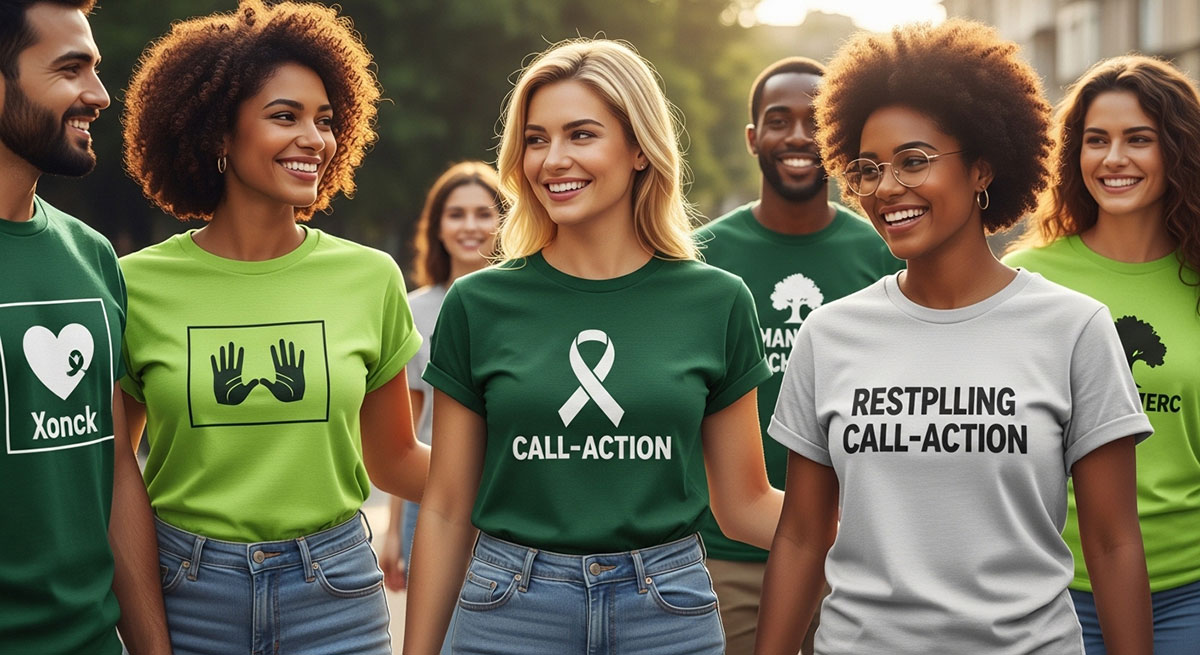
If you want to create a great t-shirt design for nonprofits, tell stories with it. Keep the graphics simple and connected to the charity’s mission. Use colors catch people’s eyes towards the shirt.
For 2026, clean and simple designs work best. Custom-made artwork can also make your shirts stand out.
Take a look at the following guide to examine all of the effective fundraising methods for how to design t-shirts for nonprofits and charities:
If you want your t-shirt to show what your nonprofit really cares about, start by telling your story through the design. Use symbols, slogans, or images that resonate with your US supporters. The goal is to make people feel your mission, not just like the shirt. And for this, follow the suggestions below:
First, learn about your audience. For example, if your nonprofit protects the environment, think about people in eco-friendly states like Oregon or Washington.
Designs showing local forests or landmarks make the shirt feel personal. You can also ask your followers what they like by using social media polls or surveys.
Do they prefer big, bold graphics or smaller, subtler logos? Knowing this will help you create designs that actually work, not just look good.
Next, bring in your nonprofit’s branding. If you work on mental health, add positive messages, but keep it simple. Don’t crowd the shirt with too many things.
One main symbol, like a heart for care or a ribbon for awareness, can clearly show your cause. New AI tools like Adobe help you test design ideas to provide concepts to your design agency.
See how you can improve your non-profit brand strategy.
Think about where people live, too. Bright colors work in sunny Southern states, while softer tones fit big cities in the Northeast. This can help people find your shirts online and feel connected to them.
When your design matches your audience and location, people are more likely to buy it. They might also feel like part of your mission. Aligned designs can sell two to three times better than the regular ones.
Finally, test your designs with small groups. If your nonprofit helps teens learn in Atlanta, try out shirts with inspiring quotes and ask teens for feedback. It’ll help you make the shirt better and create excitement before you sell it.
So, what’s the hot topic in charity t-shirt designs this year? The big ideas are telling a story, keeping designs simple, and using AI to make eco-friendly patterns.
Sustainability and fun, interactive designs are in. Think full-shirt prints with nature patterns, like flowers or cool geometric shapes. For example, love these eco-friendly vibes.
Dip-dye gradients and patchwork designs also look great without being too complicated. Charities focused on social justice in big cities, like New York, use these to catch attention.
Messages matter too. Inspirational quotes, pride themes, and gender-neutral slogans are trending. US nonprofits can also add local flair.
Retro Y2K designs work well for fundraising events. In Seattle, teens respond to designs that are ironic or funny. AI tools add personal touches, such as embroidery in national colors for patriotic causes.
Why follow these trends? They get people excited. Eco-friendly messages appeal to about 70% of millennials, which helps sell shirts. Interactive features, like QR codes linking to donation pages, turn t-shirts into tools that connect people to your cause online.
To make it work, match the design to your mission. A wildlife rescue in Florida, for example, could use vintage-style prints to attract young donors. Fresh designs not only look good but also help your nonprofit show up in searches for “trendy charity t-shirts 2026.”
Note: Flat illustrations and vector graphics are popular in 2026.
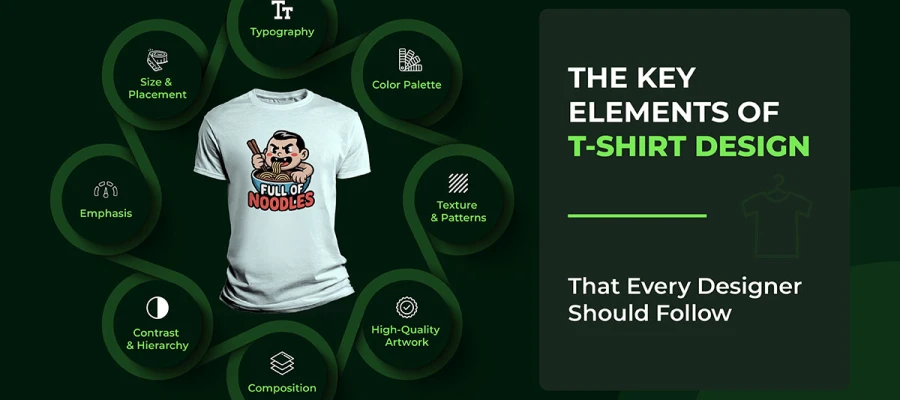
Some simple rules make a big difference. Keep your designs clear, balanced, and full of feeling. This way, people notice them, remember them, and want to help.
Use only 2 or 3 colors. Don’t cram too many things on the shirt. Big, bold icons work best, like a tree for an environmental cause. A clear design is visible from far away. That’s important in busy cities like Miami, where people are always on the move.
Center the main picture or text for a neat look. Or use an off-center layout to make it feel more exciting, especially for active, energetic charities. High-contrast colors, like black on white, help older people or anyone walking by see it clearly.
Your design should tell a story. Make people feel hope, excitement, or urgency. For example, a simple fork with the words “Feed the Future” can inspire someone to donate to hunger relief.
In 2026, flat illustrations and vector graphics are popular. They look modern and attract more attention. Innovative designs can even increase donations by 40% compared to plain ones.
Colors can look different depending on the light. Make them brighter in sunny areas, such as the Southwest. In cloudy places like the Northeast, softer tones work better.
Colors and fonts can change how people feel about your design. The right colors can make people feel happy, safe, or excited. Fonts help your message stand out and make it easy to read. This is really important for charity groups in the US.
Different colors give different feelings. Blue shows trust, so it works well for health charities. Green feels natural and is perfect for environmental groups in places like Colorado.
Using colors that contrast with each other makes designs easier for everyone to see. It’s essential if you want to include people of all kinds.
Fonts matter too. Simple fonts like Helvetica are easy to read. Fancy script fonts feel warm and friendly, suitable for community projects. Try not to use more than 2 fonts in a single design. Make slogans big, so they grab attention.
Today, AI tools can even help pick colors. You can type something like “eco-friendly green palette,” and it will suggest colors. 85% of people say colors affect what they buy. You can also match colors to local vibes, like bright red for lively events in the South.
Using these tricks helps get T-shirt design ideas and other items that people love. When donors wear them, your message spreads even further.
Think about what pictures or symbols show what your cause is about. Pick images that really matter, and add your logo in a small way so it doesn’t take over the design.
For example, use ribbons for health causes or a globe for projects that help around the world. Make sure the symbols make sense for different cultures, especially in diverse places like Houston. Skip adding dates so your design can feel timeless.
When it comes to logos, keep them small. Put them on sleeves or the back of a shirt so they don’t shout too loudly.
Good visuals have a big payoff. They make people want to share your designs on social media. It helps more people notice your cause, and your shirts can even turn fans into loyal supporters.
Want to create the best logo for your nonprofit brand? Read this nonprofit organization's logo story.
Tools like Kittl, Canva, and Adobe Photoshop use AI to help you create professional-looking design ideas quickly. They can be handy to explore ideas before submitting the concept to your design agency.
AI can turn your thoughts into authentic designs. You just give it a prompt, like “vintage charity t-shirt for wildlife,” and it makes options for you.
AI can cut hours of work down to just a few minutes. You can focus more on your nonprofit’s mission. You can also make designs that fit specific locations, like adding the NYC skyline if your event is there.
Using AI tools gives your designers a clear idea of what you want. It also helps brainstorm exciting content.
When you’re making designs or slogans, it’s essential to know the rules. Copying someone else’s work can get you into trouble. Always make your work original. If you want extra protection in the U.S., you can register your designs as trademarks.
You can use pictures and ideas that are free for everyone, called the public domain, or make your own using tools like AI. If you come up with a catchy slogan, check official U.S. databases to make sure no one else owns it.
Following these rules has significant benefits. People will trust you more, and you won’t have to deal with expensive legal problems. In places like California, where the rules are strict, this can save you a lot of headaches.
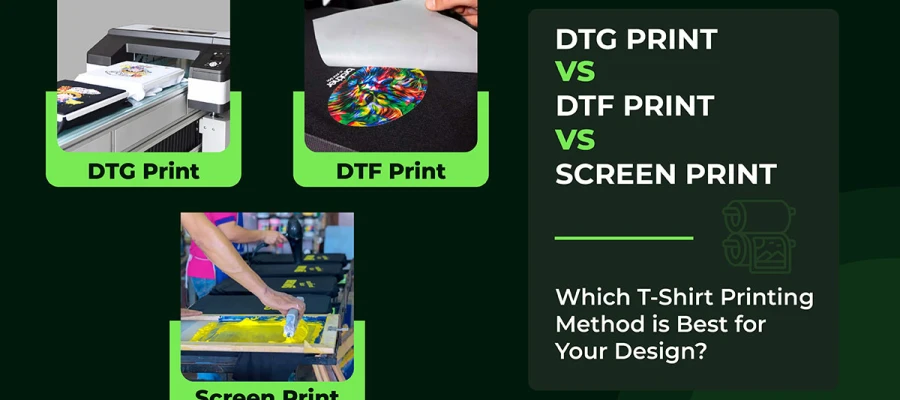
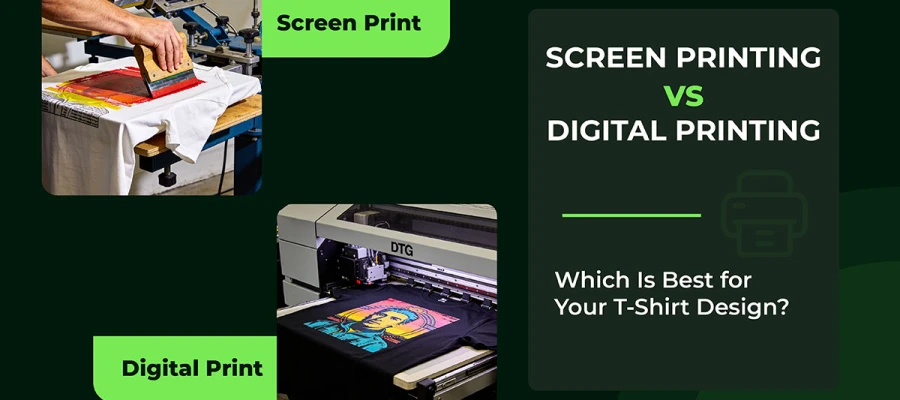
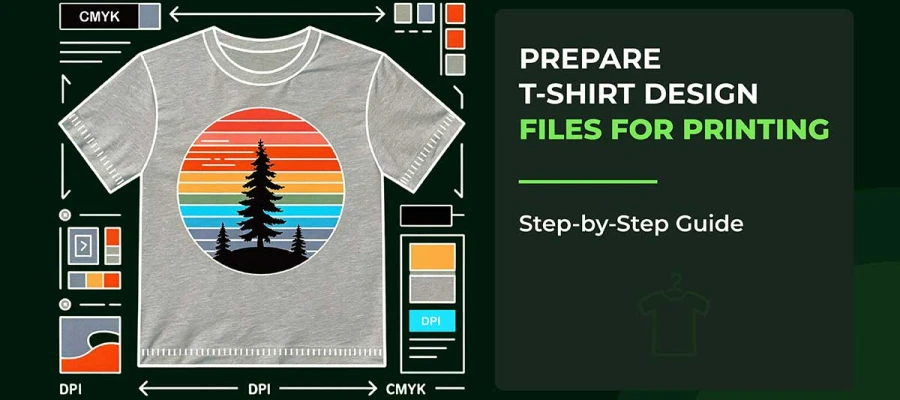
If you need a lot, screen printing is a good choice. For smaller batches, DTG (direct-to-garment) works better. It’s all about balancing price and quality to make your fundraiser a success.
These days, most charities use eco-friendly inks. They’re better for the planet. Printing services also help. You don’t need to store a bunch of shirts, so there’s less risk and less waste.
High-quality prints last longer. That means people wear them more and might even donate again. If you work with local printers in the Midwest, shipping is cheaper. This is perfect for regional campaigns.
In the end, your shirts look professional. They match your nonprofit’s style and show people you care about quality.
When choosing shirts for charity events, comfort is key. Soft fabrics like organic cotton blends feel nice and are environmentally friendly. Make sure the shirts come in all sizes so everyone can wear them.
In 2026, people will really care about eco-friendly options. Fabrics like recycled polyester or bamboo are great for “green” charities, especially in eco-conscious cities like Portland. These materials let air flow, so people don’t get too hot at outdoor events. Donors also like sustainable choices, which can help sell more shirts.
Style matters a lot when it comes to fundraising T-shirts. People are more likely to wear a shirt if it looks good and feels comfortable. Pick designs that many people will like, and that fit different body shapes.
In hot places, light and breathable shirts work best. V-necks and soft crew necks are popular choices. In cold areas, long-sleeve shirts and layered styles help keep people warm and cozy.
Offering many sizes and fits, from small to 5XL, ensures everyone feels included. In areas with frequent rain, quick-dry or water-resistant fabric is a wise choice.
Before choosing a shirt, always consider the weather and the type of event. Light and airy shirts are great for summer runs or outdoor walks, especially in warm states like Florida. For fall events or cooler areas like New England, hoodies and sweatshirts add comfort and warmth.
When shirts match the season, people are more likely to wear them often. This also helps spread the cause's message and supports eco-friendly, sustainable clothing choices.
The shirt's style matters too. V-neck necklines work well in hot places like Texas. Long sleeves are better for cold winters in the Midwest. Offer different fits; unisex, tight, or plus sizes up to 5XL, so more people can join in. Rainy places like Seattle may need water-resistant shirts.
Think about the event when picking shirts. Light shirts are best for summer walks in Florida. Hoodies are great for fall fundraisers in New England. Matching the shirt to the local weather makes people more likely to wear it. It can even help your shirts show up in online searches for “sustainable charity shirts near me.”
TIP: Buying organic cotton in bulk can keep costs low. Using the best printing services also reduces waste and is eco-friendly.
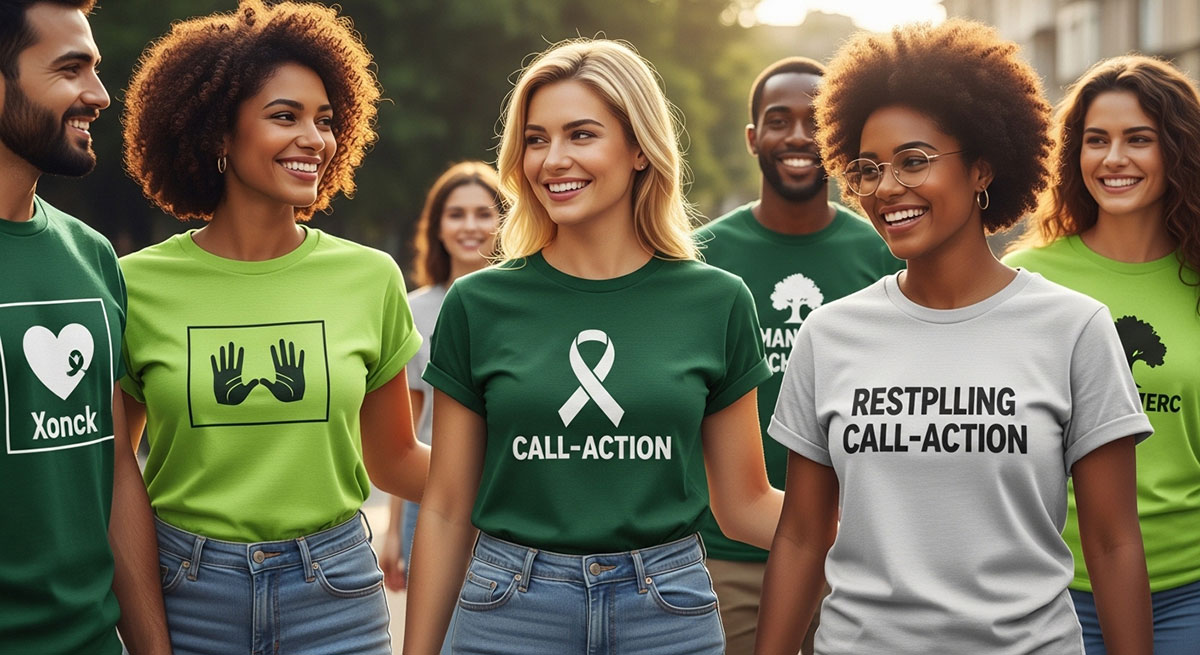
Nonprofits sometimes struggle to sell T-shirts to raise money. Many designs are too busy, the fabric feels cheap, or the message doesn’t grab people’s attention.
To do better, keep your design simple. Tell a story that makes people feel something. Use good, eco-friendly materials that last. And make sure the shirt matches your group’s style.
See the common mistakes to avoid while learning how to design T-shirts for nonprofits and charities.
Your nonprofit T-shirts might not be selling because the designs are bland or too generic. Sometimes they look like plain logos, don’t connect with people emotionally, or feel cheap because of low-quality fabric or prints. Other problems can include ordering too many shirts at once, so some never sell, or failing to make it clear how buying a shirt helps your cause.
Many U.S. nonprofits make shirts that are heavy on logos. Donors often see these shirts as just advertising, not something they’d actually want to wear. Without trendy styles or ways for fans to share them with friends, the shirts don’t stand out, especially in competitive environments and events.
To fix this, you can contact a t-shirt design agency that operates printing services as well. Agencies will help you avoid the risk of having unsold shirts. Tell them to create stylish designs and reflect your mission. Think bold slogans and eco-friendly materials. These are trending now.
Charity shirts can look cheap if the design isn’t done right. Using blurry images, colors that don’t stand out, too many things on one shirt, or printing that fades quickly can ruin the look. Centering big, boxy designs, skipping mockups, or picking thin fabrics that pill can also make shirts feel low-quality.
In the U.S., companies say simple, high-contrast designs on soft, organic cotton make shirts feel professional. This matters a lot in places like New York, where people expect a polished look. If a shirt has too many graphics or clashing fonts, it feels messy and less valuable.
To avoid this, try your design on mockups first. Stick to 2 or 3 colors and choose strong printing methods like DTG or screen printing. This makes shirts feel premium and encourages people to buy them. Well-made shirts also last longer, get more repeat wear, and help build a stronger brand. Good designs can even boost sales by 25–40%, turn supporters into advocates, and reduce returns.
Bad typography can mess up your message. Hard-to-read fonts, weird spacing, too much text, or the use of fonts without permission can all cause problems. Tiny or fancy script fonts are hard to read from a distance. Fonts that don’t match your organization’s style can feel awkward or confusing.
For U.S. charities, experts like Crowdspring and Bonfire suggest using bold, simple fonts like Helvetica. These work well on T-shirts at events in places like Texas or Florida. Long slogans or tiny letters lose their punch, especially if you want people to notice your message in voice searches.
The fix is simple. Keep your text short; under 7 words if you can. Make sure it stands out with high contrast. Always use fonts that are legal and up to date with current trends.
Doing this has significant benefits. People can read your message easily. They are more likely to share it online. Donors feel a stronger connection to your cause. And your audience can turn from just looking at your work to actually helping and spreading the word.
Still have questions? We’ve gathered answers to the most common frequently asked questions to help you understand everything you need to know about designing t-shirts for nonprofits.
Print-on-demand avoids upfront inventory. For bulk orders, start with 50–100 shirts. Base it on your audience to prevent extra stock.
Some providers have no minimum. Others start at 12–24 shirts for bulk discounts.
No, not without permission. Using copyrighted material without a license can get you in trouble. Always get permission or use original or public domain designs.
Use DTG for small orders. It shows more detail and has no minimum. Use screen printing for large orders. It lasts longer and costs less per shirt.
Now you know how to design T-shirts for nonprofits and charities that do more than show your business name. These shirts can inspire people. They can bring communities together. They can even raise money for your cause.
Through knowing your audience, designing shirts they like, and using eco-friendly materials, you can turn a simple T-shirt design into your business savior. And to reach that savior, let us help.
At Graphic Design Eye, we’ve spent over 13 years helping nonprofits turn ideas into designs that make a real difference. With more than 400 skilled designers and years of experience, we know how to bring your mission to life. Graphic Design Eye offers custom t-shirt design services that help you fundraise smarter and reach a wider audience. That way, your message spreads everywhere.
If you’re ready to make your cause bigger, contact Graphic Design Eye today!