TL;DR
Choosing the right printing method DTG vs DTF vs screen printing for your custom t-shirt business can be overwhelming due to confusing online information. This guide cuts through the noise by providing real data, including hidden costs often overlooked by standard calculators.
 T-Shirt Design
 Feb 21,2026
 17 minutes
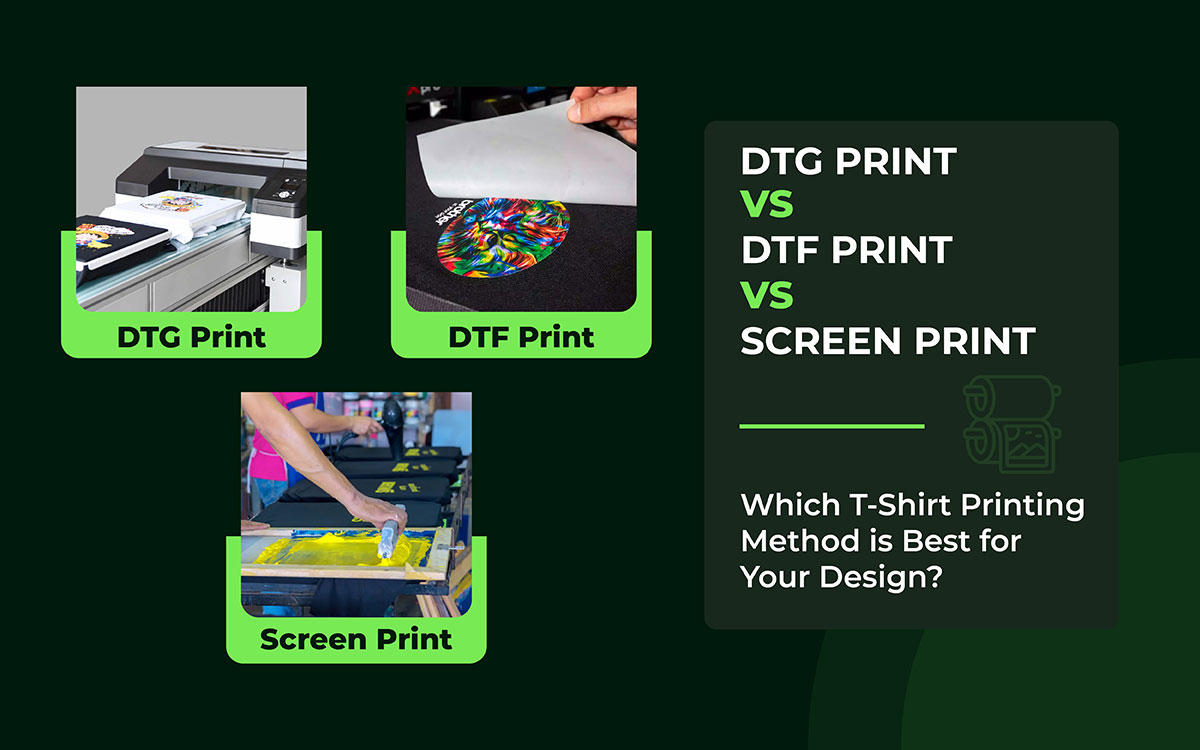


Most guides won't tell you this important fact. In 2026, DTF (Direct-to-Film) is used by 80% of successful small- and medium-sized print shops across the US. Why? It's flexible like DTG. It's almost as tough as screen printing. And it actually makes money even on small orders. But it might not be the best choice for what you're making.
Your printing method quietly builds or destroys your brand's reputation. Choose the wrong one and watch what happens. You'll waste money on expensive setup costs. Customers will complain when prints crack after a few washes. You'll lose sales because you can't print on the athletic fabrics people want now.
But choose wisely, and everything will change. Your cost’ll drop by 40-60%. You’ll ship orders faster than other sellers. Customers will keep coming back because your prints hold up over time.
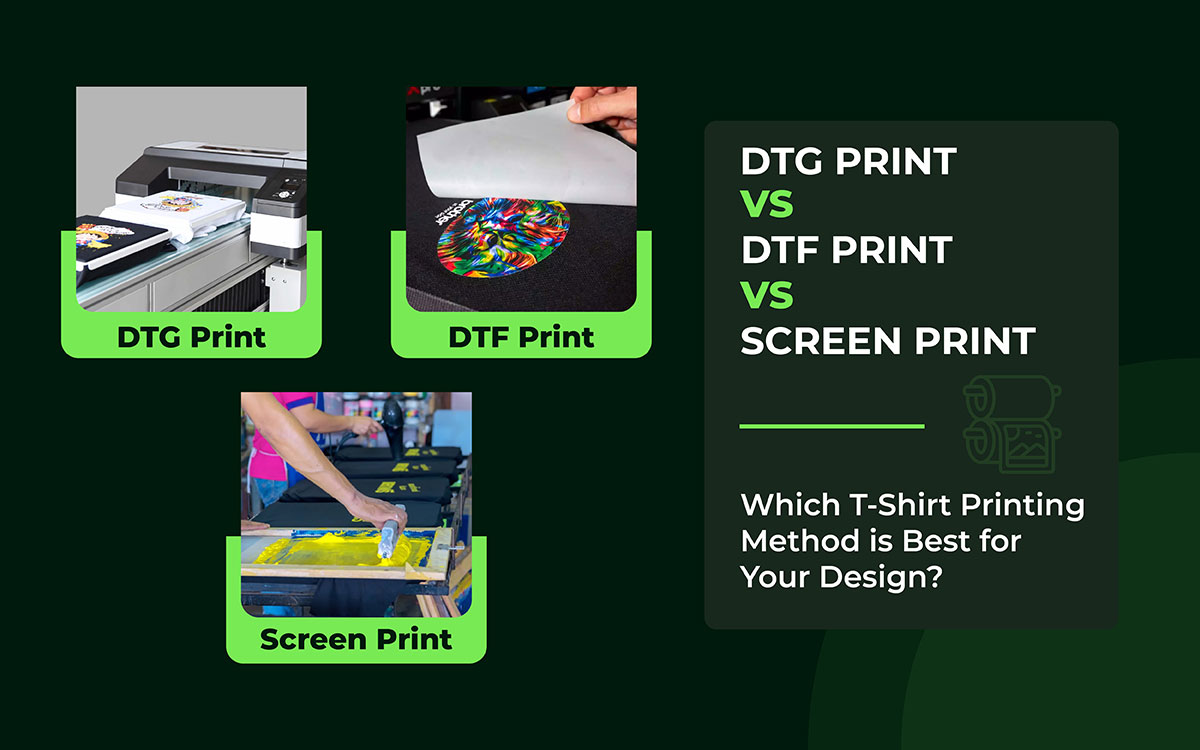
Struggling to pick between DTG vs DTF vs screen printing for your custom t-shirt business? The internet is full of confusing information, making the choice even harder. This guide shows you the real numbers. We include the hidden costs that other calculators leave out. You'll see actual test results from washing shirts 50 times.
We'll tell you exactly which method works best for photo prints, dark clothing, polyester mixes, and urgent orders. You'll also discover when mixing different printing methods makes sense as you expand.
If you don’t want to go any further, you can also review the t-shirt printing methods comparison:
| Comparison | DTG | DTF | Screen Printing |
|---|---|---|---|
| 1. Cost Breakdown | Setup: $3,000–$15,000 Small run (1-24): $2.50–$5.00/shirt Medium (25-99): $2.00–$3.50/shirt Bulk (100+): $1.80+/shirt | Setup: $1,200–$15,000 Small run (1-24): $1.10–$2.00/shirt Medium (25-99): $0.90–$1.50/shirt Bulk (100+): $0.70–$1.20/shirt | Setup: $25–$50 per color. Small run (1-24): $8–$15/shirt Medium (25-99): $2.50–$4.00/shirt Bulk (100+): $0.60–$1.00/shirt |
| 2. Print Quality | Natural colors on light fabrics, 300+ DPI resolution Softest feel: ink absorbs into fabric. Best for: Photos, watercolor art | Brightest whites & boldest colors 300+ DPI resolution Slightly textured, softens after 2-3 washes Best for: Dark shirts, streetwear | Deep, solid colors (poor gradients) Halftone dots (lines under 1/16" fail) Thicker feel Best for: Simple logos, 1-4 colors |
| 3. Durability | Wash resistance: 40–50 washes Lifespan: 1.5–2.5 years CPSIA compliant | Wash resistance: 50–60+ washes Lifespan: 2–3 years CPSIA compliant | Wash resistance: 100+ washes Lifespan: 3–5+ years CPSIA compliant Most durable option |
| 4. Fabric Compatibility | Cotton: Excellent Polyester: Poor (needs pretreatment) Blends: Fair Dark garments: Requires heavy pretreatment | Cotton: Excellent Polyester: Excellent Blends: Excellent Dark garments: Best choice Most versatile | Cotton: Excellent Polyester: Fair (special plastisol) Blends: Good Dark garments: Excellent |
| 5. Production Speed & Best Use Cases | Setup: 5–10 minutes Speed: Under 5 min/shirt (~12/hour) Ideal for: 1–24 pieces Best use: On-demand, same-day orders | Setup: 10–15 minutes Speed: 80–120 shirts/hour Ideal for: 1–150 pieces Best use: Etsy/Shopify, POD platforms Cuts shipping time 30-50% | Setup: 30–90+ minutes Speed: 50–100 shirts/hour Ideal for: 100–500+ pieces Best use: Schools, corporate events, sports teams |
| 6. Environmental Impact | Ink: Water-based, biodegradable Waste: Minimal Energy/Water: Low Cleanest option for on-demand cotton shirts | Ink: Water-based, recyclable powders Waste: Low (recyclable films) Energy/Water: Low Second-best sustainability | Ink: Plastisol (PVC, contains phthalates) Waste: High (emulsion, ink, water) Energy/Water: High usage Better only for 500+ identical pieces |
For American business owners counting every penny, knowing the real 2025 manufacturing expenses (excluding plain clothing items) can mean the difference between making money and just staying afloat.
Startups can now make smarter investments by understanding the setup costs for DTG, DTF, and screen printing. This knowledge will help you get better returns and fuel business growth.
Printers need to understand costs per print. It applies to DTG, DTF, and screen printing methods. Knowing these numbers can boost profits. It also guides decisions based on order size and business growth.
Let’s look at a small print shop with one person working for $16 an hour. They need to make 250 shirts with a design that uses 4 colors.
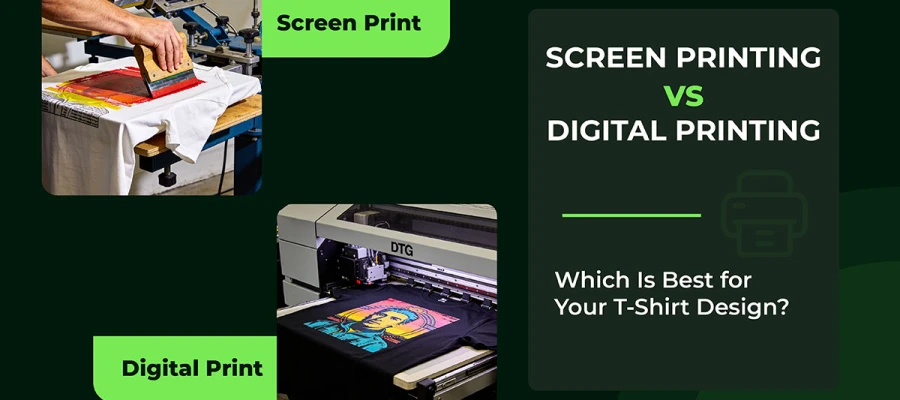
With DTF printing, each shirt costs about $0.70 to make. With screen printing, it's around $0.80 per shirt. If you're making fewer than 150 shirts, DTF is way cheaper.
Small clothing brands in the US and print-on-demand sellers can save 40-60% on every order by using DTF instead of screen printing. Screen printing only gets cheaper when you're making a ton of shirts.
You'd need to print 800 to 1,000 shirts with multiple colors before screen printing becomes the better deal.
US shoppers want a print quality that looks professional and high-end. Here's what each printing method can do:
Comparing color vibrancy across different printing methods matters. DTG, DTF, and screen printing each deliver different results.
Understanding these differences helps printers choose the right technique.
DTG and DTF both can print crisp images at 300+ dpi. They handle tiny letters and complex color blends easily. Screen printing uses dots to create images, so thin lines smaller than 1/16 inch don't print cleanly.
Knowing how DTG, DTF, and screen printing feel on fabric helps printers create comfortable products. Customers notice the difference. They return for more when quality meets their expectations.
Pro Tip: DTF works best on black or colored shirts (super popular in streetwear). It gives brighter colors and better coverage without the heavy prep work DTG needs.
Nothing kills repeat business faster than cracked or faded prints. 2025 independent 50-wash tests (machine wash + dryer) confirm:
Testing how well prints hold up through washing is crucial. It helps printers create garments that last. It builds customer trust and reduces returns. The test applies to DTG vs DTF vs screen printing methods alike.
DTF and newer water-based DTG inks don't crack as much as older versions did. Screen printing still wins for tough jobs like work clothes and sports uniforms.
The expected lifespan of DTF, DTG, and Screen printing methods is as follows:
US Rules: All three comply with CPSIA safety standards when using approved inks. Screen and DTF are easier for kids' clothes because the ink sits thicker on the surface.
US customers really want performance fabrics. Think polyester blends, shirts that pull away sweat, hoodies, and tri-blends. The fabric you pick usually decides which printing method works best.
All three methods work great. But DTG feels the softest on 100% ring-spun cotton.
DTF wins here. DTG has problems because the ink doesn't stick well without costly pretreatment. Screen printing can work with special plastisol, but you need to test it first.
DTF is your best bet. It gives you reliable results every time, and you don't need pretreatment.
If you sell hoodies, athletic wear, or any polyester blend (huge growth category), DTF is non-negotiable.
Speed means money when you're making custom shirts in the US.
Comparing how long DTG, DTF, and screen printing take to set up yields valuable insights. The right choice means you can hit tight deadlines and produce more each day.
DTG, DTF, and screen printing each work at different speeds. Understanding these differences lets you handle jobs more efficiently.
Finding the right production conditions for DTG, DTF, and screen printing helps you match each method to your order size. It ensures you get the best cost, speed, and quality results.
US-specific insight: People running print-on-demand shops and Etsy/Shopify stores say DTF cuts their shipping time by 30–50%. Plus, they can print on sleeves, pockets, and hoods, places DTG machines usually can't handle.
Being eco-friendly matters a lot in this era. Young American shoppers really care about this stuff and read the tags before buying.
DTG uses water-based inks that break down naturally. They're certified safe and create almost no dirty water.
DTF also uses water-based inks. The newer powders and films can now be recycled.
Screen printing uses plastisol, which contains PVC. The old-school version contains phthalates, a class of chemicals.
DTG and DTF are better for small orders. You only make what people actually buy. No extra shirts sitting around.
On the other hand, screen printing generates significant waste during cleanup. You're throwing away emulsion, leftover ink, and tons of water.
DTG and DTF don't need much energy or water. Old-style screen printing uses way more. One screen job can waste several gallons just for washing equipment.
Printing only what you need stops overproduction. That's the biggest reason textiles end up in landfills.
DTF does create film waste. But you can print multiple designs at once and save transfers for later. Big US suppliers now sell DTF films and powders that break down naturally.
DTG is the cleanest option for on-demand cotton shirts. DTF comes in second place. Both beat screen printing by a lot for orders under 200 pieces.
So! Which one is the best t-shirt printing method?
Go with DTF unless you need something specific. Pick DTG only for super-soft premium cotton. Use screen printing just for huge, identical orders.
Most successful small and medium-sized US clothing companies do both. They use DTF for 90% of orders. They save screen printing for their biggest wholesale customers.
Select what works for your current orders and fabrics. Then grow from there. Making the smart choice now will save you serious money over the next year. Your customers will keep coming back because the prints hold up.
DTFis the best t-shirt printing method for small quantities (1-50 t-shirts). It costs less overall, works on any material, has no setup fees or order minimums, and creates bright, long-lasting prints that make your customers smile.
DTG can't be beaten when you need ultra-soft, photo-quality prints on premium cotton.
For orders of 1–23 shirts, DTG gives you a "no-hand" feel. Customers say it's "just like retail." You get unlimited colors, smooth fades, and tiny details that pop.
The following points will help printers provide quick, safe, and environmentally friendly services:
Many US artists still choose DTG for 1–10 piece runs because nothing else matches the ink-absorbed softness on light or dark cotton garments.
DTF has become the go-to method for 80% of profitable small US shops in 2026. It combines the best of digital printing with unmatched versatility.
Print full-color gang sheets on film, powder, cure once, then heat-press transfers as orders come in. No pretreatment, no fabric limitations, and excellent opacity on black or colored blanks.
These key advantages show what DTF can do for your business. It lets you print on many fabric types with ease. You'll speed up production while cutting costs. Plus, you get excellent results on dark clothing.
US small businesses say they make 30–50% higher profits on small runs with DTF. They can now offer sleeves, pockets, and non-cotton products that DTG just can't handle well.
Screen printing almost never works for orders under 50 shirts in the USA. Setup costs alone ($25–$50 per color for screens, emulsion, and exposure) kill your profits.
Most professional US screen shops now require at least 24 pieces per design. Many charge rush fees or flat-out refuse anything below 12–24 pieces.
Understanding these practical benefits helps you avoid expensive mistakes. It speeds up order completion and builds confidence in handling complex custom projects.
Screen printing only makes sense around 50–100 identical pieces when the setup costs are spread out. For anything smaller, it drains your money and annoys customers who want fast, flexible custom clothing.
This guide helps you find the right method for your fabric type, batch size, and profit goals.
Choose DTF for most small orders, and you'll save thousands in your first year, sell more products, ship quicker, and build a growing US-based custom clothing store. DTF is the method that keeps small orders profitable.
Screen printing is the best method for bulk orders of 100+ t-shirts. It costs the least per shirt, lasts the longest, and prints super fast once you're set up. Perfect for schools, company events, sports teams, and giveaways nationwide.
Screen printing becomes the clear money-maker once you hit 100 matching shirts. Setup fees ($25–$50 per color) are divided quickly, reducing the cost per shirt.
Screen printing gives bulk printers serious benefits. The per-unit costs drop to rock-bottom levels. Designs last through 100+ washes without fading. Production speed remains high, resulting in better profits across the board.
DTG and DTF struggle with bulk orders. Being digital actually hurts them when every shirt is identical.
The following FAQs address the most common questions printers ask about DTG vs DTF vs screen printing:
DTG is best for photo-quality designs. It delivers unmatched detail, smooth gradients, and a soft, ink-absorbed feel on cotton.
DTF is cheaper for small orders (1–50 shirts) in the USA. Lower per-unit cost, no pretreatment, and easy gang-sheeting make it the most profitable choice for Etsy, Shopify, and POD sellers right now.
DTF is best for dark-colored shirts. It's built-in white layer gives bright, opaque results on black, navy, or colored tees without extra pretreatment.
Yes, screen printing lasts longer than DTG. Properly cured screen prints endure 100+ washes with minimal fading, while DTG typically lasts 40–60 washes on everyday US cotton garments.
You’ve just gained clarity on the DTG vs DTF vs screen printing decision that will shape your custom apparel business. But choosing the right printing method is only half the battle.
The designs you feed into that printer determine whether customers come back or leave disappointed reviews about cheap-looking graphics.
At Graphic Design Eye LLC, we've been the silent partner behind thousands of successful US custom apparel brands. We deliver print-ready files optimized specifically for DTG, DTF, or screen printing, with fabric-specific color combinations and unlimited revisions included.
Our experienced t-shirt designers understand the differences between designing for DTG on light cotton and for DTF on dark polyester blends.
So, if you’re ready to turn your printing method knowledge into profitable, professional apparel, contact our support team today.
Let's make this your most profitable apparel year yet!