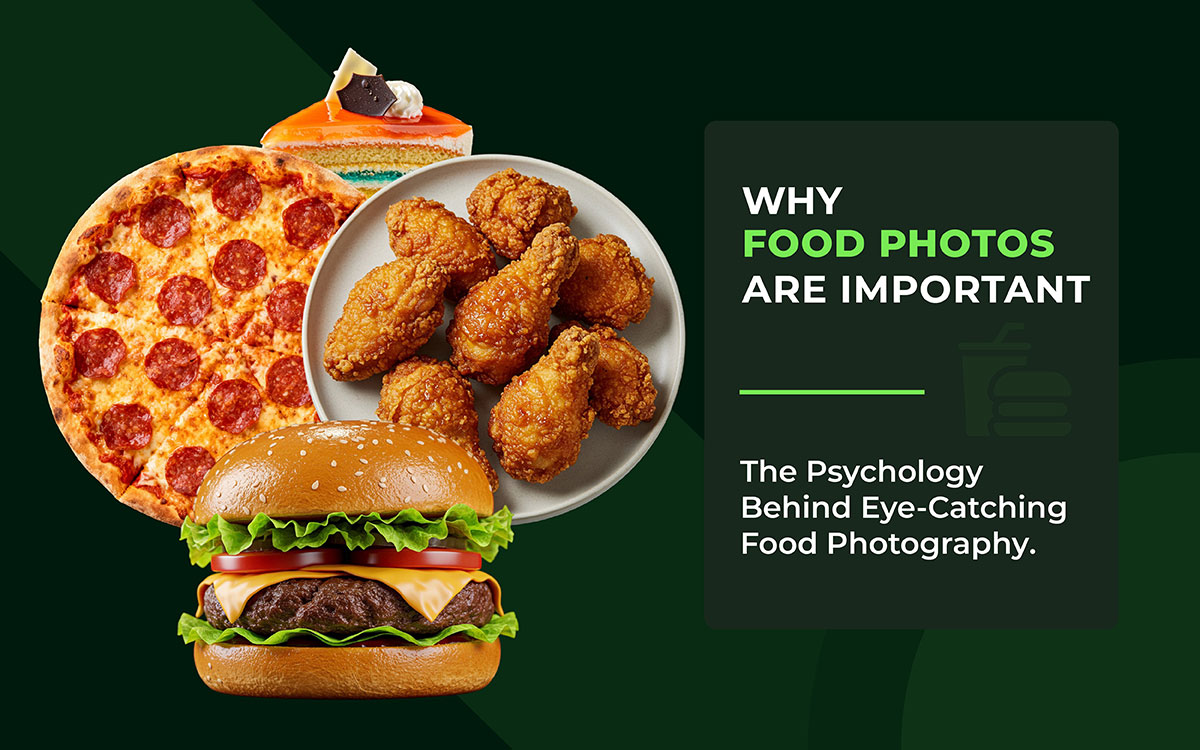
Why food photos are more important than ever in 2026, because they directly drive restaurant sales, boost search rankings, and build instant trust with guests. Professional food photography increases average order value by up to 30%, earns 42% more Google Maps clicks, and signals quality to both customers and search engines. Using quality images on your menu is the best way to win new fans.
It is a busy Tuesday evening. Two restaurants sit side by side on the same street. Same neighborhood, same price range, and yes, same kind of food.
The first restaurant has a warm, glowing photo of its signature dish on every screen it owns, Instagram, Google, its menu, and its delivery app. The golden crust. The glistening sauce. The perfectly placed garnish.
The second restaurant has no photo. Just a name and a price.
Guess which one has a line out the door.
That story is not hypothetical. It is happening right now, in every type of restaurant, food brands, and creator kitchens around the world.
Long before the food hits the table, a guest looks at your food photos to decide if they want to stay. In 2026, a great shot is the clearest signal that your food is worth the trip. If your photos are dark, dated, or missing entirely, you are handing your guests to the shop next door.
But don’t worry. This guide is your complete answer to why that matters and how to change it.
Let's dive in!
Why Food Photos Are More Important
We live in a world of relentless scrolling. Every finger-flick is a split-second judgment. In that one blink of attention, your image either earns a pause or disappears forever.
This is why food photos are more important to your restaurant branding and growth today than any other marketing tool you own. When you show your plates in their perfect light, guests do not just feel curious, they feel certain. Achieving this level of quality often requires a professional product photography approach. You should combine this with an expert product photo editing service. These steps ensure that every detail pops on the screen. And certainty is what turns a browser into a buyer.
The way you present your food shifts the entire way your brand is perceived. A single photo can communicate freshness, craft, care, and quality in the time it takes someone to glance at their phone.
The following sections break down the specific reasons why these images are so important. We will demonstrate exactly how they fuel expansion for food brands, digital creators, and restaurants throughout 2026.
Read on!
1. Consumer Psychology and the Power of First Sight
Before a single word is read, a photo has already been spoken. The human brain processes a visual roughly 60,000 times faster than text. That is not a metaphor. It is neuroscience and your greatest marketing ally.
On a screen, a guest takes their 'first bite' with their eyes. When they see your dish, their brain does not slowly deliberate. It makes a rapid, emotional judgment. Great food photos exploit this beautifully. They do not just show a meal, they deliver a feeling.
How Food Photos Influence Buying Decisions
The psychology behind a purchase decision is built on three silent forces. Understanding each one helps you use your photos with intention:
The Speed of Sight: The brain sees a great photo and registers 'hot,' 'fresh,' and 'delicious' before the conscious mind even reads the dish name. Menus with photos consistently outperform text-only menus because of this neurological shortcut.
The Hunger Spark: High-quality food imagery physically triggers salivation and appetite. The sight of a shiny glaze, a crisp golden edge, or a cloud of steam activates the brain's reward system. This is not an accidental desire. It is chemistry. And it regularly leads guests to order more than they planned.
The Language of Color: Color is your most powerful silent salesman. Warm reds and oranges accelerate pulse and appetite. Verdant greens speak of freshness and health. Creamy whites suggest luxury and purity. Every hue in your frame is communicating something before the viewer even knows they are listening.
So, do food photos raise sales? Yes. Shops that add proper and professional photos to their menus typically see a 30% uplift in average order value. The photo does not just show the food, it sells it.
Trust, Quality, and the Stories Photos Tell
A guest's idea of 'taste' begins long before the first fork. It begins with the look of your brand. Your photos are a promise and they must look like a promise worth keeping.
Looking Good Means Feeling Safe: Sharp, luminous images whisper to the subconscious: 'This kitchen is clean. This chef cares. This meal will not disappoint.' But poor images say the opposite, even if the food is extraordinary.
The Power of Real Proof: Professional photos build aspiration. Guest photos build belief. Most people study both before they decide to visit. So both deserve your attention and respect.
The Hidden Cost of Bad Photos: A dim, yellow-tinted, blurry image is not neutral. It actively repels guests. Even a world-class chef loses bookings every single day. Because a weak photo is making a false promise on their behalf.
2. Social Media and the Algorithm's Hunger for Beauty
Social media platforms are no longer just places to share moments. They are sophisticated recommendation engines and they are hungry for extraordinary visual content.
When your food photos are stunning, you are not just pleasing your followers. You are feeding an algorithm that rewards quality with reach. This is one of the most powerful and underused levers in modern food marketing.
Why Visuals Dominate Instagram, TikTok, and Pinterest
Every major platform in 2026 is, at its core, a visual discovery engine. Here is how each one rewards your best shots:
Instagram's 'Save' Signal: The algorithm no longer just counts likes. It weighs saves above nearly all else. A stunning food photo gets saved three times more often than a text post. Each save tells the platform: 'This content is worth returning to.' That signal unlocks organic reach money cannot buy.
TikTok's Texture Effect: Short video is the dominant format on TikTok and food content thrives within it. A 15-second clip that shows the pour, the sizzle, the stretch of melted cheese does something a static image cannot: it delivers texture and atmosphere. This sensory richness drives the highest engagement rates in the industry.
Pinterest's Evergreen Engine: Unlike most platforms where content dies within hours, Pinterest is a long-game player. Tall, bright, beautifully composed food photos drive referral traffic for years. A single pinned image can bring new guests to your door long after the shoot is over.
Facebook's Visual Multiplier: Even on older platforms, the math is clear. Posts with high-quality images receive more than twice the engagement of text-only posts. In the battle for organic reach on Facebook, a great photo is still the most reliable weapon.
Google Discover, Visual Search, and Your Invisible Storefront
The influence of food photos now extends far beyond social feeds. It is a central pillar of modern SEO and digital marketing. Google has quietly made the shift to a visual-first search experience and your imagery is either working for you or against you.
Google Discover: This powerful recommendation engine surfaces rich visual content to over 800 million users daily. Without high-quality food photography linked to your brand, your restaurant or blog is effectively invisible to this enormous audience.
Google Lens and Visual Recognition: Guests now search with their cameras. When someone points their phone at a dish they love, Google uses your brand's imagery to suggest your restaurant. If you have no images or poor ones, you are absent from this entire discovery channel.
SERP Enhancements and 'Popular Dishes': To appear in Google's sought-after 'Popular Dishes' feature, a great photo is not optional, it is a requirement. These image-rich results occupy more screen space, carry more authority, and earn significantly more clicks than plain text links.
Alt-Text as an Invisible Signpost: Properly labeled images with keyword-rich alt-text rank in image search and pull in first-time visitors who are searching for a specific dish, not your brand. This is free, persistent, compounding traffic that most restaurants are not capturing.
Visual search now drives more first-time restaurant visits than typed keyword searches. Guests want to see the food before they commit. Your photos are your invitation.
3. SEO and AI Search: The Invisible Advantages of Great Photography
Every marketer knows that content drives SEO. What fewer realize is that imagery amplifies nearly every SEO signal that matters. Text tells search engines what your page is about. Images tell them how good your page is.
In 2026, Google's ranking systems reward pages that demonstrate deep Expertise, Experience, Authority, and Trustworthiness, which it calls E-E-A-T. Rich, optimized imagery is one of the clearest signals of a page that takes these standards seriously.
How Food Photos Directly Improve Search Rankings
The CTR Surge: Pages with compelling, professional product images see up to a 94% higher Click-Through Rate (CTR) from search results. A higher CTR sends a powerful signal to Google: your result is exactly what searchers want. Over time, this translates directly into stronger keyword rankings.
Multimedia-Rich Page Rewards: Google's 'Helpful Content' systems favor pages that offer a complete, engaging experience. Sites that blend authoritative text with high-quality photos and video are consistently seen as more useful than 'thin' content. And they rank accordingly.
Metadata as a Direct SEO Signal: Image alt-text is not an afterthought. It is a direct ranking lever. A tag that reads 'slow-braised short rib with chimichurri' does more for your rankings than one that reads 'food-photo-007.jpg.' Every image on your site is an opportunity to be found.
Core Web Vitals and Page Speed: Beautiful images must also be fast images. Serving photos in the WebP format reduces file sizes by up to 30% without any visible quality loss. Combined with lazy loading, this keeps your site in the top tier of Google's speed metrics, which directly impacts rankings.
How to Be Featured in AI Overviews and Answer Engines
A new frontier has opened in search. AI-powered tools like Google's AI Overviews, ChatGPT, Perplexity, etc. are now the first answer many users see. Getting cited here is the new SEO gold rush. And imagery plays a quiet but powerful role in winning those citations.
Structured for AI Retrieval: AI models scan for clear H2 and H3 heading hierarchies to understand what a page covers. Pages with a logical visual structure including captioned images, are significantly more likely to be pulled as authoritative sources.
Schema Markup as an AI Cheat Sheet: Adding structured data (Schema) to your image metadata gives AI systems a precise, machine-readable description of your content. This dramatically increases the likelihood that your photo and the page it lives on, is cited in a generated answer.
Visual Proof Builds Factual Authority: Content that pairs claims with photographic evidence scores higher in LLM-based retrieval systems. A photo is not just decorative. Rather, it is corroborating evidence that an AI model interprets as a signal of trustworthiness.
What Great Food Photos Actually Do to Your Revenue
Let us speak the language every business owner understands.
The ROI of professional food photography is one of the most compelling metrics in food-service marketing. Not because the numbers are big. But because they are fast, measurable, and repeatable.
Percentage
Note
30%
Average increase in per-item sales when a professional photo accompanies a menu listing
42%
More requests for directions from Google Maps when a business profile features high-quality food photos
3x
More bookings on review sites for listings with 30 or more professional photos versus those with few or none
40%
Conversion lift in e-commerce food stores that use lifestyle photography over plain product shots
22%
Reduction in product returns when high-resolution texture photos are included in the listing
60-90
Days for a professional food photography investment to fully pay for itself through increased revenue
For Restaurants and Food Service
In 2026, your digital presence is your new curb appeal. The quality of your photography is the first impression you make on a potential guest and it is made before they ever step outside.
The 30% Sales Uplift: When a menu item has a professional photograph beside it, it sells 30% more than the identical item with text alone. The image acts as a silent recommendation. It makes the dish feel real, desired, and worth the price.
Foot Traffic from Google Maps: Listings with great photos receive 42% more requests for directions. When someone sees a beautiful dish while browsing Google Maps, the decision to visit happens in an instant. No review needed.
The Yelp and Review Site Multiplier: On platforms like Yelp and TripAdvisor, visual quantity and quality both matter. Businesses with 30 or more professional photos earn triple the booking rate of those without. Every photo is a conversion asset.
Rapid ROI Recovery: Unlike long-term brand campaigns that take months to show results, high-quality food photography typically recovers its cost within 60 to 90 days, through larger average checks and new guest acquisition.
For Food Bloggers and Content Creators
For a creator, the photograph is not just content. It is the product itself. The visual quality of your work is your market rate, your reputation, and your passive income, all rolled into one image.
Higher Ad Revenue (RPM): Ad networks reward pages where users linger. Beautifully photographed recipe posts hold attention far longer than text-heavy pages. Longer dwell time means a higher RPM and meaningfully better monthly ad income.
Affiliate Conversion Rates: For recipe-linked products and ingredients, the photo is the bridge between curiosity and click. Styled, high-quality recipe shots drive affiliate clicks at rates that plain snapshots simply cannot match.
Sponsorship Premium: Brand deals are no longer negotiated on follower counts alone. Sponsors pay for aesthetic alignment. Creators with professional, consistent photography command rates that their less visually polished peers cannot.
For Food Product Brands
In the world of packaged foods and online grocery, your photography must do the job that a physical shelf cannot: let the customer feel the product before they buy it.
The Lifestyle Photography Premium: Brands that show their product in real-world context. For example, a beautiful breakfast table, a rustic kitchen counter see 40% more conversions than those using sterile white-background shots. The lifestyle image sells the feeling, not just the food.
Texture Photography Reduces Returns: High-resolution close-ups of a product's actual texture and appearance reduce returns by 22%. When a customer knows exactly what they are buying, there are no unpleasant surprises and no costly return logistics.
The 'After' Shot Always Wins: In A/B testing for packaged food products, photos of the prepared dish consistently outperform photos of the box alone. Sell the result. Sell the meal. Sell the moment. The packaging is just the vehicle.
Best Practices for Food Photos That Actually Convert
A truly great food photo is not an accident. It is a series of deliberate, learnable decisions. Here are the four pillars that separate a scroll-stopper from a scroll-past.
Lighting: The Single Most Important Variable
Every master food photographer will tell you the same thing: get the light right, and almost everything else falls into place. Get it wrong, and no amount of editing will save the shot.
Side-Light Is Your Best Friend: Place your light source whether natural or artificial, to the side of your plate, not directly above or in front of it. Side-light creates the soft, sculpting shadows that reveal texture: the crunch of a crust, the gloss of a sauce, the grain of a wooden board beneath the plate.
The Golden Hour Advantage: Natural light during the hour after sunrise or before sunset is warm, directional, and extraordinarily flattering for food. If the light is too harsh, hang a white curtain or lay a sheet of translucent white fabric over the window, this is a free, professional-grade diffuser.
The Reflector Secret: No professional shoot happens without a reflector. You do not need to buy one. A piece of white foam board placed opposite your light source bounces light back into the shadows and reveals every detail of your plate that would otherwise be lost to darkness.
Composition and Styling: Guiding the Guest's Eye
Composition is the art of control. You decide exactly what a viewer sees, what they notice first, and where their eye travels. These are the principles that make a meal feel like a masterpiece.
The Rule of Thirds: Resist the urge to center your dish. Imagine a 3x3 grid over your frame. Place the hero element along one of those grid lines. You can also place the most beautiful part of the dish at an intersection point. The result is a photo that feels dynamic and professional. Your shot will look intentional.
The Right Angle for the Right Dish: A flat-lay is a shot taken directly from overhead. This works beautifully for pizza, salads, and bowls. These dishes tell their story in their spread. A 45-degree diner's angle is best for burgers, cakes, and stacked plates. These dishes earn their reputation from height and layers.
Props as Supporting Cast: Props exist to add context. They should not compete for attention. Raw herbs and linen napkins are great supporting actors. Aged wooden surfaces and matte ceramic tools work well, too. These props build a world around your dish. They never try to steal the scene. They help your main subject stand out.
The Beauty of Structured Imperfection: A stray crumb or a gentle sauce drip can help a photo. A slightly rumpled napkin is also useful. These details do not diminish a shot. They humanize it. These small touches signal that the food is freshly made. The dish does not look staged. Guests connect with realness. Perfection can often feel cold.
Technical Requirements: Speed, Resolution, and Metadata
A beautiful photo that loads slowly is a photo that no one sees. In 2026, technical optimization is not a final step, it is a non-negotiable foundation.
Resolution Standards: For web use, a minimum of 1200 x 800 pixels ensures your imagery stays crisp on high-resolution screens. For print menus or marketing materials, 300 DPI is the professional standard that prevents pixelation on paper.
The WebP Advantage: JPEG is yesterday's format. WebP delivers equivalent visual quality at file sizes up to 30% smaller. This shift means faster load times for your site. Small file sizes lead to better Core Web Vitals scores. This creates happier visitors. Your guests will not bounce before the page finishes loading.
Keyword-Rich Alt-Text: Your images need a voice in the language of search engines. A file named 'IMG_4892.jpg' tells Google nothing. An alt-text that reads 'crispy Peking duck with hoisin glaze, garnished with scallions' tells Google everything and helps you rank for it.
Mobile Compression: Keep your images under 200KB for mobile-first delivery. This single practice can reduce your page load time dramatically, lower your bounce rate, and improve your position in Google's mobile search results.
Smartphone vs. Professional Camera: The Honest Comparison
The best camera is the one that serves your purpose. In 2026, that answer is more nuanced and more liberating than it has ever been.
The Case for Your Smartphone: Flagship phones like the latest iPhone Pro and Galaxy Ultra produce images that would have required a studio five years ago. Their computational photography, portrait modes, and night algorithms make them the ideal tool for consistent, high-quality social content. Use them for daily content, stories, and authentic behind-the-scenes moments.
The Case for a Mirrorless Camera: When the stakes are high, you need the right tools. This applies to a website hero shot or a printed menu. A mirrorless camera with a quality macro lens is a must. This setup captures detail that no smartphone can match. A macro lens shows the salt crystals on a pretzel crust. It captures the condensation on a cold glass. It shows the individual seeds on a brioche bun. These micro-details build desire. They make your food look real and high-quality.
The Power of Consistency: Neither camera matters as much as a consistent look. A set of Lightroom presets is a powerful tool. You should apply them to every photo in your library. This creates a visual signature for your brand. A preset builds a recognizable aesthetic. This makes your brand unmistakable in a crowded feed. Consistency builds trust with your audience.
Important Food Photo FAQs
We have covered the psychology, the platforms, the SEO mechanics, and the business impact. Here are the most important food photo questions that remain, answered directly.
Why are food photos important for restaurants?
Because the decision to visit happens before the visit itself. A guest browsing Google Maps, Instagram, or a delivery app is making up their mind in seconds. Your food photo is the one thing standing between 'maybe' and 'book a table.' In a digital world, the photo is the storefront. It is the menu. It is the first course. If it does not deliver an emotional reaction, hunger, desire, trust, the guest moves on.
Do food photos actually increase sales?
Yes, the data is unambiguous. Professional photography applied to menu items drives an average 30% increase in order value for those items. This is not because guests are tricked. It is because they are informed. A great photo removes the uncertainty of an unknown dish and replaces it with desire. Desire bypasses hesitation. And when hesitation disappears, spending increases.
What makes a food photo truly great?
Three elements, in order of importance:
Light that reveals: Natural side-light that sculpts the texture of the food and creates depth without harsh shadows.
Composition that guides: A rule-of-thirds placement or a 45-degree angle that leads the eye to the best part of the dish.
Technical excellence that enables: High-resolution imagery saved in WebP format, compressed for fast loading, and labeled with keyword-rich alt-text that helps search engines find it.
Are professional food photos worth the investment?
For virtually every restaurant, food brand, or creator, yes, decisively. The typical ROI cycle is 60 to 90 days: the cost of a professional shoot is recovered through increased average checks, new guest acquisition, and higher map and platform visibility. The photographs continue earning after that recovery. They do not expire. They do not ask for a salary. A great food photo works every day, on every platform, indefinitely.
How does food photography affect menu design?
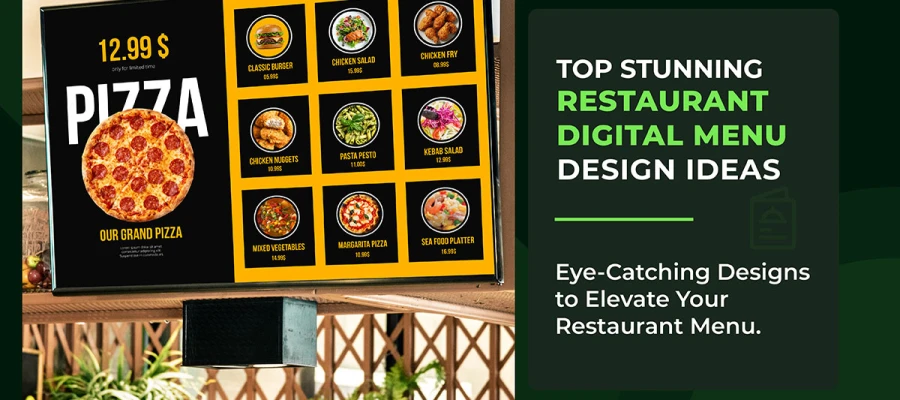
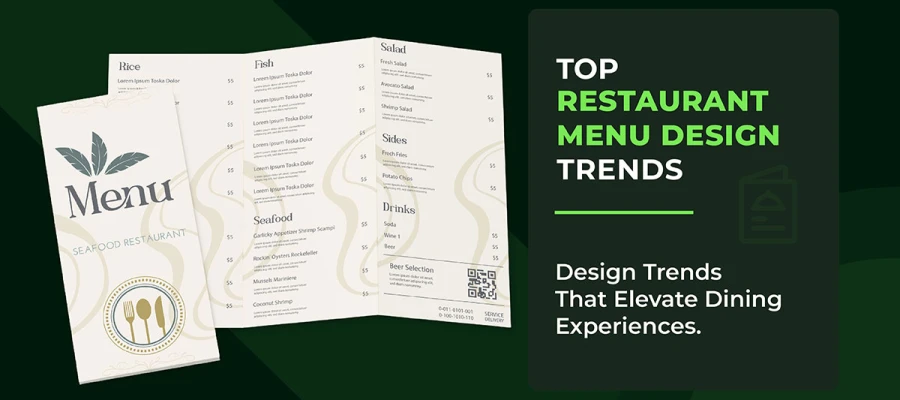
Strategically placed photography functions as visual architecture for your menu. A single 'hero image' beside a high-margin dish does not just show the food, it anchors the guest's eye, communicates priority, and subtly influences the choice. This is menu engineering in its most powerful form. It guides decisions without pressure, simply by making one option look more real, more beautiful, and more desirable than the others around it.
What is the best time of day for food photography?
The golden hour, the 60 minutes after sunrise and before sunset, produces the warmest, softest, most directional natural light available. It is flattering to virtually every food subject. If a golden-hour shoot is not practical, a north-facing window provides the most consistent, neutral natural light throughout the day. Avoid direct midday sunlight, which creates harsh reflections and unflattering contrasts.
Can I use my smartphone for professional food photography?
For social media, daily content, and authentic storytelling, absolutely. Today's flagship smartphones are extraordinary tools. For hero shots, print materials, and anything that will be displayed at a large size, a dedicated camera with a quality lens remains the professional standard. The hybrid approach, smartphone for volume, mirrorless for impact, is what the most successful food brands use.
Endnote
You have just seen why high-impact food photography is the most critical asset for modern restaurant branding. In a visual-first market, these images define your success.
Your imagery is the first handshake your brand has with a hungry guest. It serves as a window into your kitchen’s soul. Whether you prioritize minimalist plating or indulgent "food porn" styles, the objective is constant: you must produce content that demands to be shared.
If your visual identity feels uninspired, it is time to level up. Your design process should never feel like an afterthought. Your food is exceptional, and your brand’s presentation must reflect that high standard.
Well, subscribe to our hospitality newsletter. Get weekly insights on food styling and dieline hacks for premium takeout packaging.
Effective conversion begins with a strategic photo. Connect with Graphic Design Eye LLC today to develop a creative food menu design that revitalizes your culinary brand and delivers the impactful results you need.
Allow us to build a visual branding kit design that accelerates your sales growth. Reach out now, and let us help you bring your food to life!
Founded in 2016, Graphic Design Eye LLC is a US-based creative design agency dedicated to transforming brands into stories worth remembering. With a passionate team of expert designers, they deliver world-class logo design, branding, packaging, web design, social media graphics, and professional photo editing — all at up to 50% less than industry-standard costs. Every project begins with genuine listening and ends with a design that speaks your brand's truth with clarity and confidence. Backed by a 100% Money-Back Guarantee, Graphic Design Eye LLC does not simply create visuals, they build identities that people trust, recognize, and return to, time and time again.
 Menu Design
 Apr 04,2026
 24 minutes