TL;DR:
Trying to decide between screen printing vs digital printing for designing t-shirts? Keep this reading for a side-by-side comparison of quality, cost, durability, design options, and how these methods work. You’ll see examples from U.S. crews, learn key considerations before ordering, and get tips for choosing the right printing style.
 T-Shirt Design
 Feb 11,2026
 16 minutes


You surely want your designs to look sharp, survive muddy sites, and handle lots of washes and sun. But which printing method can get you what you want? The answer depends on what you need.
Screen printing lasts a long time, produces solid colors, and is cheaper when ordered in bulk. That’s why most companies choose it for outfitting crews all year.
On the other hand, Digital printing (DTG) is excellent for colorful designs or small test orders. But it usually doesn’t hold up as well and can fade faster with heavy use.
Let’s have a look at which one makes strong, eye-catching shirts that people notice.
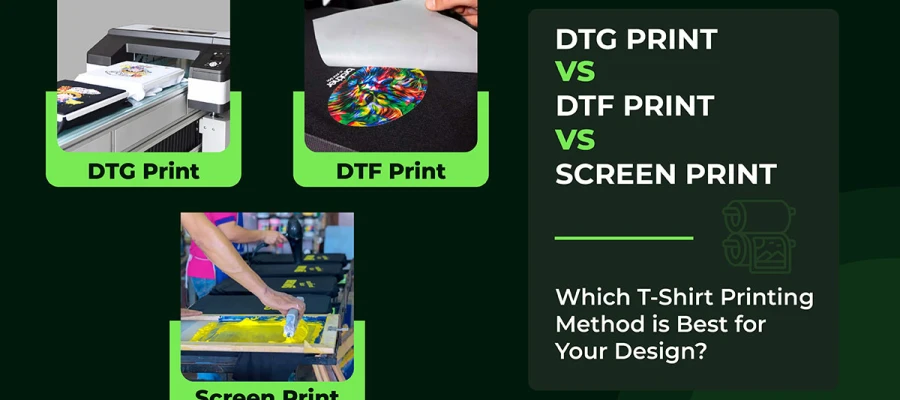
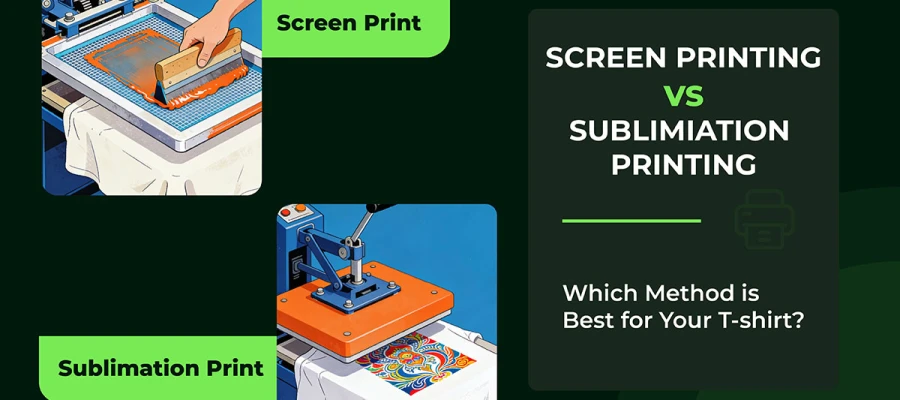
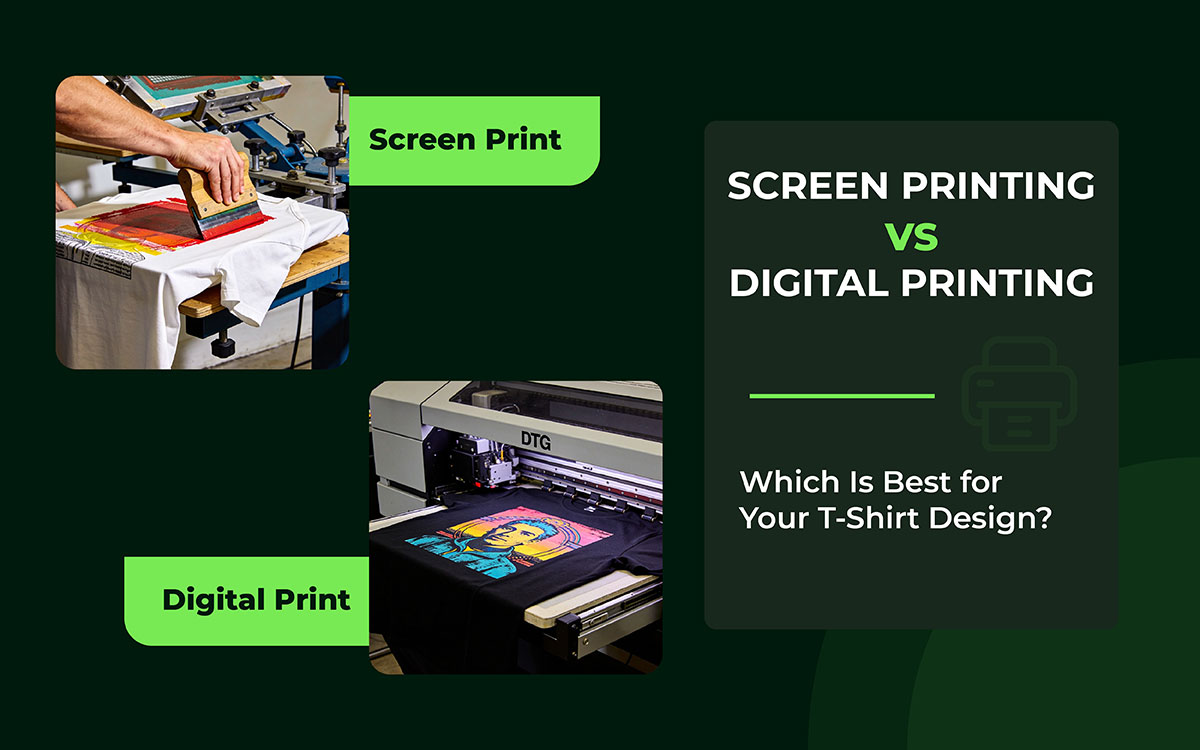
Screen printing is a simple way to print designs on fabric. Ink is pushed through a thin mesh screen onto the cloth. A stencil blocks the ink to shape the design.
This method works best for making many shirts at once. It creates bright colors that last through many washes. Each color needs its own screen, so it takes time to set up.
It becomes cheaper when printing in large numbers. In the US, screen printing is very popular. It makes up over half of all printing jobs. Big countries like the USA and the UK love it, especially for streetwear. The prints look bold and feel solid to the touch.
Here’s the step-by-step process for t-shirt screen printing:
This craft originated in ancient China. Today, it starts with a digital design made in programs like Adobe Illustrator.
Direct-to-garment (DTG) printing is a modern method for printing designs directly onto t-shirts and other fabrics. It uses water-based ink and works like an inkjet printer. The printer sprays the ink directly onto the cloth. It makes bright, full-color designs that look sharp and detailed, like a photo.
DTG is great for small orders and custom shirts. It does not need screens, so setup is fast. It works best on cotton and cotton blends. The prints feel soft, and you can use as many colors as you want.
Think of your bold digital design, made in Adobe Photoshop, coming alive on a soft cotton t-shirt. There is no need for old printing methods. DTG treats the shirt like a sheet of paper in a high-end printer.
Here are the simple steps for DTG t-shirt printing:
In 2026, DTG printing will be even better. New eco-friendly inks last through 50+ washes. Innovative printers use AI to reduce wasted ink and fabric.
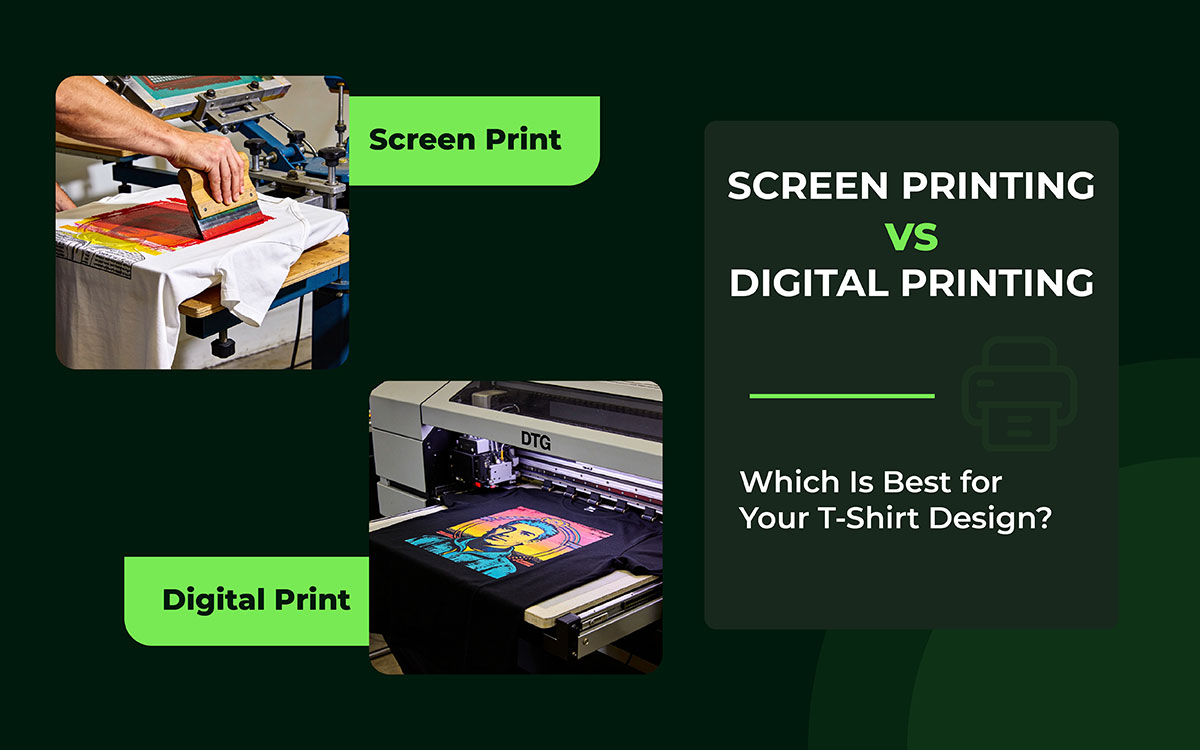
Screen printing and digital printing (DTG) work differently. Screen printing is best for big orders with simple designs. DTG is better for small batches with detailed artwork.
In the US, screen printing is popular for large merch orders. DTG shines for on-demand, personalized items. Think about how many shirts you need: use screen for 100 or more, and DTG for fewer than 50.
Let’s take a look at the difference between screen printing vs digital printing so you can choose the proper method for your T-shirts:
Screen printing makes colors really bright and solid. It’s great for bold designs on dark clothes. DTG, or direct-to-garment printing, can show fine details and smooth color fades, which is perfect for complex images.
Think of your design standing out from the shirt. Screen printing does this by pushing thick ink through a mesh screen. It leaves a slightly raised texture and very strong colors. Studies show screen prints keep about 90% of their brightness even after 50 washes. That’s perfect for logos that need to be seen.
DTG works more like a home printer. It shoots ink right into the fabric, so it feels soft. It can show millions of colors, just like a photo. But on dark shirts, DTG needs a white layer underneath. If it’s not done just right, the design's edges can look blurry.
Some US printers, such as CustomInk, use both methods. They use the best of each to make multi-color designs look perfect.
Screen printing lasts a really long time. Prints can survive decades and over 100 washes without cracking. DTG printing usually lasts about 50 washes, but it can fade if you wear it often.
In US, where people spend a lot of time outdoors, screen printing is better suited to activewear. DTG is fine for casual t-shirts in calmer places like the UK.
Screen printing uses thick layers of ink that stick really well. They don’t fade from sun, sweat, or laundry. Tests show screen prints keep 95% of their quality even after tough use. This is because the ink is heated to really high temperatures to make it stick.
DTG uses water-based ink that soaks into the cotton, which makes it soft and breathable. But on blended fabrics, it can crack or pill if not treated first.
TIP for Both Types: Wash your shirts inside-out and in cold water. Screen printing lasts longer, which means you don’t need to replace shirts as often; good news if you order in bulk. New DTG eco-inks from 2026 resist fading about 20% better, so they’re catching up for everyday use.
Screen printing is cheaper when you make many shirts. Each shirt costs about $5–$8. Direct-to-garment (DTG) printing costs more, around $10–$20 per shirt, but it doesn’t need extra setup fees.
For US business owners, screen printing is best for big orders. For example, making 100 or more shirts with screen printing yields higher profits here. DTG is better for small runs or trying out new designs. Where many startups test products, DTG makes this easier.
Here’s how it works: screen printing has upfront fees for screen production ($25–$50 per color). But if you make many shirts, the cost per shirt drops significantly. DTG charges a flat price so that you can add complex designs without extra fees.
Real examples in the US: a printer charges $1,200 for 100 screen-printed shirts. The exact number with DTG costs $1,800. But for smaller batches, DTG can be cheaper and more flexible.
If you buy 10 shirts, DTG printing costs about $15–$22 per shirt in the U.S., which totals $150–$220. Screen printing costs $25–$35 each due to setup, so $250–$350 for 10.
But if you order 100 shirts, screen printing gets much cheaper; $7–$10 each ($700–$1,000), while DTG stays $13–$18 ($1,300–$1,800). Usually, once you hit 25–50 shirts, screen printing becomes the smarter choice.
Screen printing needs a $50–$200 setup fee for things like screens and films. But after that, each shirt costs only $2–$5 to print. DTG doesn’t require setup, but each shirt costs $8–$15 due to the ink. For repeat orders, like school uniforms in Philadelphia, screen printing can save money over time.
Screen printing is excellent for big orders and makes long-lasting shirts. Sports teams and other busy U.S. markets get the most value, since shirts last 3 times longer. DTG is better for exceptional, personalized designs. It costs more, but niche markets can charge 20% extra for unique shirts.
DTG can print any color and show tiny details easily. Screen printing works best with 1 to 6 colors. Using more colors makes it more expensive.
DTG lets artists make smooth color blends. Screen printing is excellent for bold logos.
With DTG, you can print exactly what you imagine. It can make photorealistic images and even print different names on team jerseys. Screen printing needs special dots called halftones for shades, which makes it more complicated and costly.
Screen printing is really good at making sharp lines and repeating designs. It’s also cheaper when you’re using just a few colors. Big US brands, like those making Nike-style shirts in Vegas, often choose screen printing for clean, clear patterns.
DTG (direct-to-garment) printing can handle millions of colors at once. It makes pictures look real and detailed. For photo T-shirts at events inspired by Coachella in California, DTG gives the best results.
The type of fabric also decides which printing method to use. DTG inks stick best to natural fibers. If you use them on polyester without first preparing it, the colors might bleed. Screen printing uses plastisol ink, which sticks to many materials, from fleece to nylon.
| Fabric Type | Screen Printing | DTG (Digital) |
|---|---|---|
| Cotton | Excellent, vibrant | Optimal, soft feel |
| Polyester/Blends | Versatile, durable | Limited, needs pretreatment |
| Synthetics (Nylon) | Strong adhesion | Poor without specials |
Note: This table shows the advantages of screen printing vs digital printing for multi-fabric U.S. workwear lines in Detroit.
DTG reduces waste by printing only what’s needed. It uses water-based inks, which makes it cleaner for the planet. Compared to screen printing, it produces about 30% less carbon because it uses fewer chemicals. Screen printing is improving, too, with recycled inks in places like Oregon.
Being sustainable is essential. DTG uses 90% less water than a screen-printing shop, which can use 200 gallons a day. Trends for 2026 favor DTG because it produces less waste and avoids overproduction.
Screen printing is trying to keep up with biodegradable inks, but DTG helps small US businesses go green without spending too much.
DTG doesn’t need a minimum order, so it’s great for making just one shirt. Screen printing usually requires 12 to 50 pieces. A small business owner can use DTG to test new designs with minimal risk. Screen printing works better for big orders.
DTG is flexible because you don’t need screens, so you can start right away. This makes it perfect for custom online shops in the US. Screen printing requires minimums due to setup, but printing companies like UberPrints can handle dropshipping and remove those limits for mixed orders.
The following chart answers the question everyone asked: what is the best t-shirt printing method for t-shirt design? It shows the difference between screen printing vs digital printing methods and where it falls short.
Screen printing lasts a long time and is cheap when you make a lot at once. But setting it up takes time, so making just a few is tricky. The good part: colors look bright on any fabric and don’t fade easily.
The bad part: you need to order a lot, and extra colors cost more.
| Pros | Cons |
|---|---|
| ✅ Low per unit in bulk | ❌ High setup |
| ✅ Bold, durable | ❌ Limited details |
| ✅ Fast for large orders | ❌ Slow prep |
| ✅ Any fabric | ❌ Color restrictions |
Digital printing offers significant flexibility, allowing for fast, customizable output that's ideal for print-on-demand businesses and creative ventures. However, this method, which works best on cotton, generally results in a higher cost per item compared to other printing techniques. This comparison highlights the key pros and cons of digital printing.
| Pros | Cons |
|---|---|
| ✅ No setup, great for small | ❌ Higher per unit |
| ✅ Detailed gradients | ❌ Fades faster |
| ✅ Fast for customs | ❌ Slower per shirt |
| ✅ Complex designs | ❌ Cotton-focused |
Screen printing is the best choice for large orders, simple or bold designs, and long-lasting jobs. In the US, many high school teams use it. They choose it because it makes bright, colorful prints at a lower cost when ordering in bulk.
For orders of 50 or more shirts, and often 100 or more for the best savings, screen printing cuts the cost of each shirt by a lot. The setup cost is spread across many shirts, so each one becomes cheaper.
Many US printers say bulk orders can cost only $5 to $8 per shirt. In comparison, DTG printing often costs $12 to $18 per shirt. This makes screen printing a wise choice for festivals.
The money saved can be used for marketing or bigger orders. It turns one-time events into long-term brand wins.
Screen printing works best with one to six solid colors, simple logos, or clear text. Think of clean team mascots or basic band designs. You do not need complex shading or extra layers. This makes printing faster and keeps the edges sharp.
In creative places across the US, bold, simple designs are printed on hundreds of items. Every piece looks neat and matches perfectly, creating a clean, professional look.
Get bold, solid colors that really stand out, even on dark fabric. The ink feels thick and rich to the touch. Bright neon shades, shiny metallic looks, and sharp designs stay clear and strong. They do not fade easily.
For US sports clothing, this long-lasting quality keeps colors bright. It holds up against sweat, sunlight, and many washes. This helps fans love and trust their gear because it always looks great.
Screen printing is the top choice for team sports because it is strong and long-lasting. It can handle rubbing, many washes, and rough play. Sport teams use it for jerseys, hoodies, and practice shirts that need to last all season.
Special inks can add puff or glitter to make designs stand out. It also works fast for large orders, which helps when teams need gear at the last minute for a tournament. In 2026, new water-based inks make shirts more breathable and comfortable. It provides athletes with better comfort without compromising print quality.
Overall, choose screen printing when you need long-lasting prints, lower cost per shirt, and bold designs for big orders. It turns plain shirts into strong signs of team pride or brand identity that stay bright and tough over time.
Have you ever wanted to turn a special photo into a soft, comfortable shirt? DTG makes this possible by spraying ink straight into the fabric. It skips heavy screens, creating smooth, breathable prints.
DTG is the best printing method for small t-shirt orders of 50 or fewer shirts. There are no setup fees. It keeps the cost low, usually between $10 and $20 per shirt in US shops. Screen printing often costs more than $200 just to get started.
Because of this, DTG is a smart choice for new brands that want to test ideas without buying too much stock. It cuts waste, saves money, and gets better returns when working with a small budget.
For lifelike images or detailed art, DTG prints millions of colors with high accuracy. This makes it great for custom portraits or shirts with nature scenes. Screen printing struggles with fine color details. DTG uses inkjet printing, so the results stay sharp and bright. Imagine family reunion shirts in Chicago that show every smile clearly, with no limits on color.
DTG makes colors change smoothly and can use any shade you want. It works great for abstract art or designs with lots of shading. Fashion designers love DTG for its ability to create streetwear with lots of gradients. The colors really stand out on cotton, and it feels soft.
With no need to keep stock, DTG lets you print items only when someone buys them. This cuts storage costs for online stores in the USA.
Fast delivery in 24 to 48 hours, using platforms like USA Tees, matches the rise of online shopping. It also lets you add custom designs to each order. This makes customers happier and brings them back, even in tough markets.
While screen printing is better for large orders and long-lasting prints, DTG gives you greater creative freedom. You can start small with samples and grow into real profits. It uses eco-friendly inks that last through more than 50 washes. Choose DTG to reach small, focused groups and stay flexible in the fast-changing clothing world of 2026.
Trying to decide between screen printing vs digital printing for t-shirts? Let’s find the answers to the most common queries regarding screen and digital printing.
DTG is great for small orders and detailed designs. You can use any colors, and the shirts feel soft. This makes it perfect for Etsy sellers. Screen printing is better for big orders. It lasts longer and costs less when you make many shirts.
Screen printing is cheaper for big orders, like 100+ shirts. Each shirt costs about $5-8 at US printers. DTG costs more, $10-20 per shirt, but it’s cheaper for small batches since you don’t need a setup.
Screen printing lasts the longest. The ink sticks deep and can handle 100+ washes. DTG lasts about 50 washes, but fades faster if used frequently.
Yes, DTG can be used for big orders, but it’s expensive per shirt. It’s better for on-demand orders. Screen printing is still the fastest and cheapest for large runs.
Now we’re at the end of our discussion of screen printing vs digital printing. Whether you want lots of t-shirts screen-printed or a few custom tees DTG-printed, the trick is picking the right method.
Think about how many shirts you need, how tricky your design is, and how much you want to spend. Screen printing works great for sports and events, while DTG is perfect for unique, personalized online orders.
Now it’s time to bring your ideas to life. Not sure which option works best for your project? Graphic Design Eye LLC can help. Our team will guide you from the first idea through to the finished print. We’ll make sure you get the best printing choice for your budget, timeline, and style.
Reach out to Graphic Design Eye LLC today, and let’s make prints that stand out in today’s market.