TL;DR
You've decided to explore restaurant digital menu design ideas and examples, an honest design strategy, and an insight you can translate directly into your own space. Your menu is about to become your most powerful sales tool.
 Menu Design
 Apr 03,2026
 22 minutes
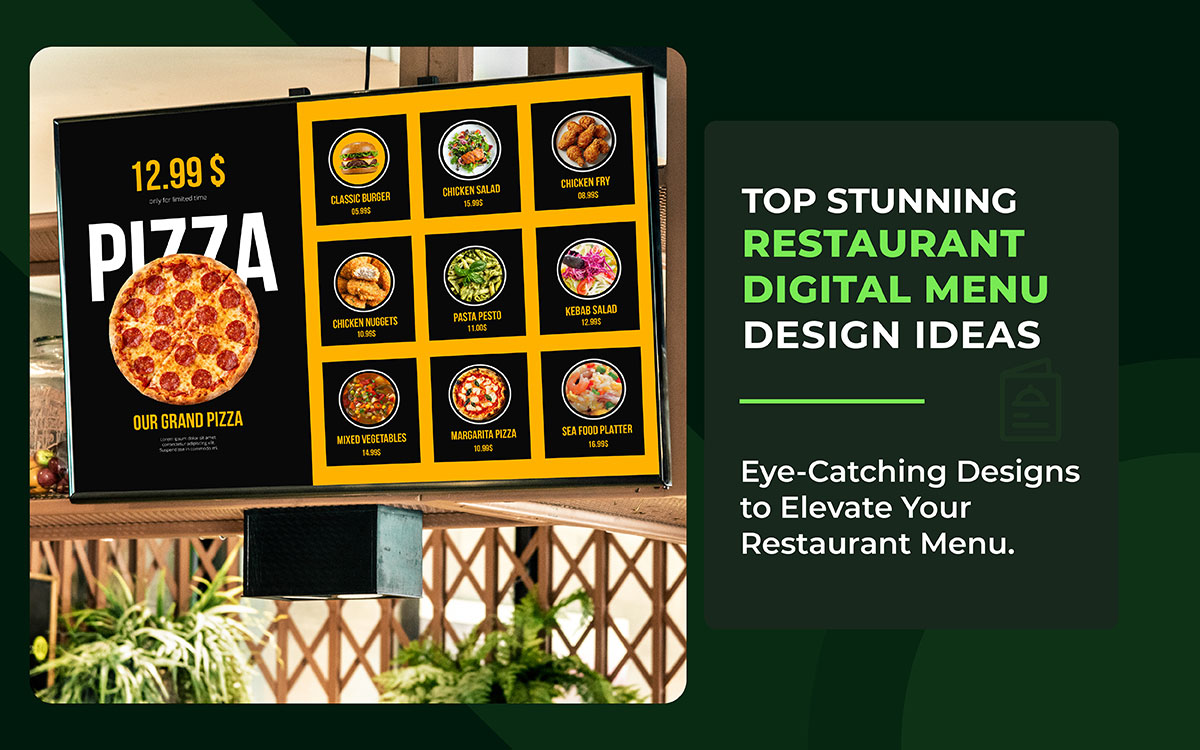


Let's be honest. When was the last time a menu truly moved your customers? Not just list the food, but tell a story, spark curiosity, or make customers feel like they belonged at that table?
A great digital menu for restaurants can do all of this. It's not about replacing paper with pixels. It's about creating a silent conversation between your restaurant and every guest who walks through the door. One that says, "We thought about you. We designed this moment for you.”
Nowadays, guests expect more. They expect seamless digital experiences, beauty, and personalization. If your menu doesn't deliver that, someone else's will.
This article is your guide and blueprint for a digital menu design that not only displays food but also sells an experience, builds loyalty, and turns first-time visitors into regulars.
So, let's dive in!
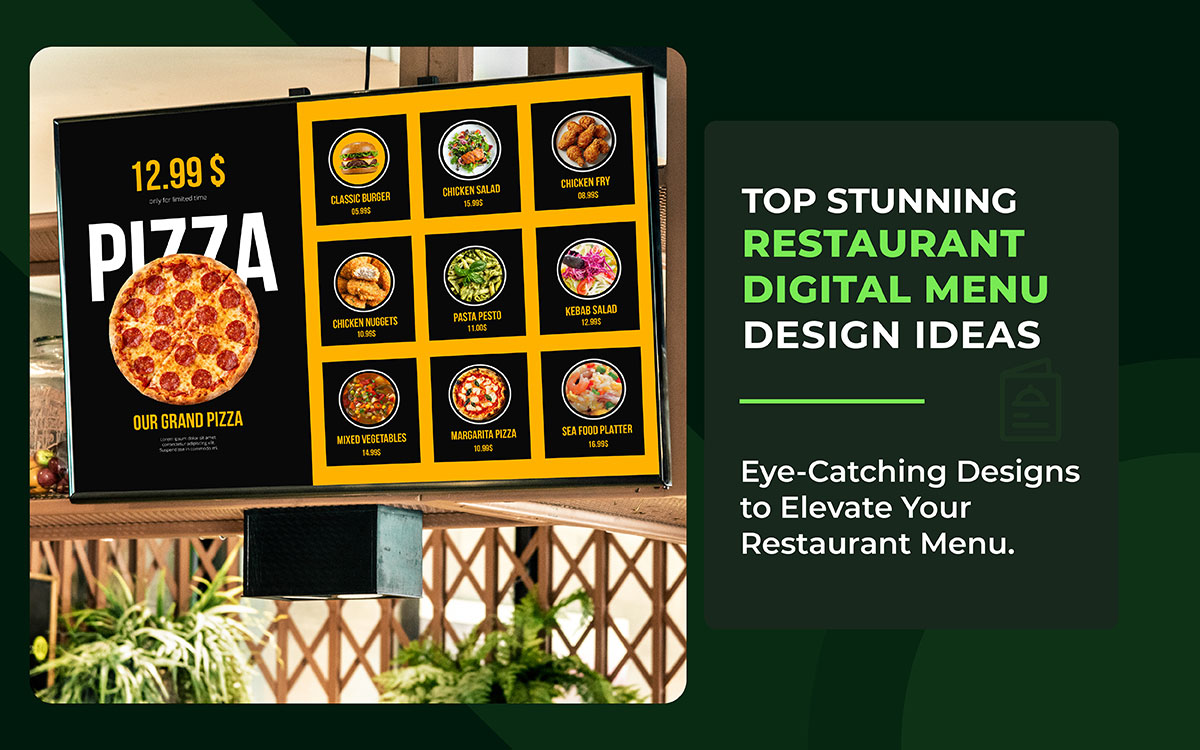
The restaurant digital menu design ideas below are paired with real US restaurant examples. If you're reimagining a fine-dining experience, scaling a fast-casual empire, or opening your very first café, one of these menu design ideas can transform how your guests feel about, order from, and remember you.
Before diving in, here's a quick snapshot of what's ahead, including the real US restaurant that brings each idea to life.
| Digital Menu Type | US Example | Best For |
|---|---|---|
| 1. Minimalist QR Layout | Eleven Madison Park, NYC | Premium positioning & fine dining |
| 2. Photo-Rich Visual Menu | Sweetgreen, nationwide | Casual dining & visual brands |
| 3. Digital Menu Board | Chick-fil-A, nationwide | QSR & counter service |
| 4. Tablet Self-Ordering | Shake Shack, nationwide | Efficiency & fast casual |
| 5. Seasonal / Dynamic Menu | The Cheesecake Factory, nationwide | Freshness & repeat visits |
| 6. Multilingual Menu | Eataly, NYC / LA / Chicago | Tourist & diverse audiences |
| 7. Allergen-Focused Design | Sweetgreen, nationwide | Compliance & inclusivity |
| 8. Storytelling Menu | Chipotle Mexican Grill, nationwide | Brand-led dining |
| 9. Video-Enabled Menu | BJ’s Restaurant & Brewhouse | High-engagement items |
| 10. AI Personalised Menu | Starbucks, worldwide | Loyalty & repeat customers |
Now, let’s break down each of these ideas and explore the beauty, strategy, and real-world inspiration behind them.
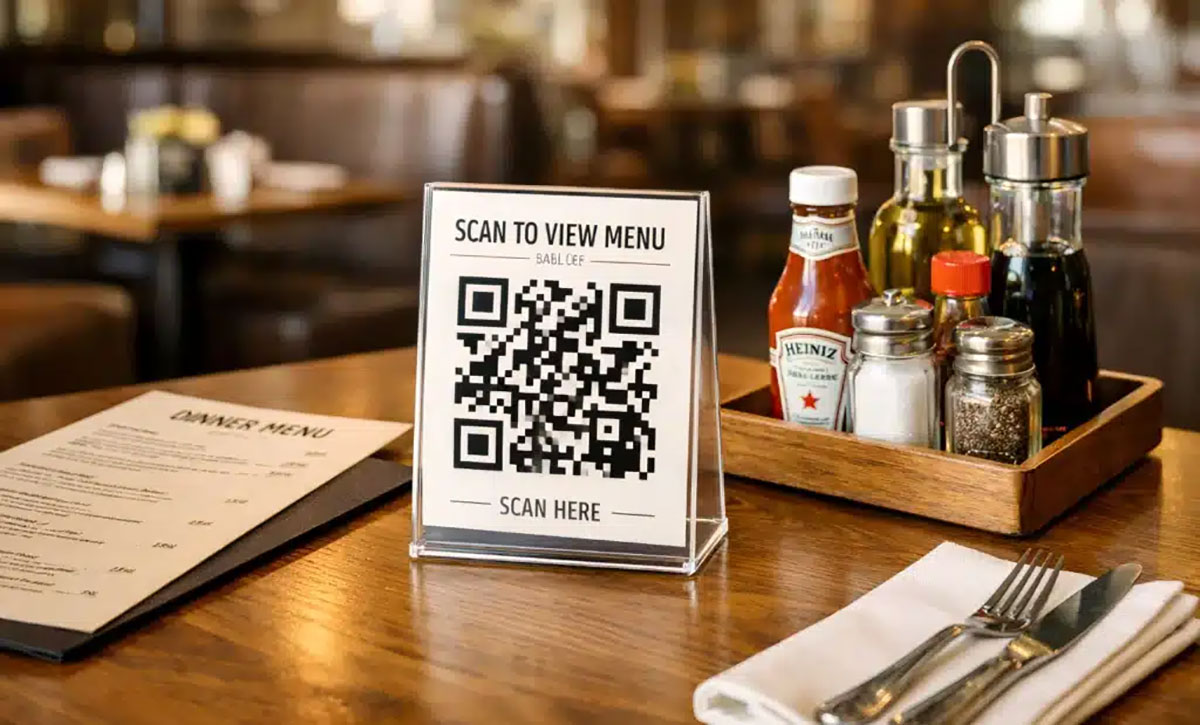
Suppose a guest sits down and scans a small QR code on the table. Their phone opens a clean menu with lots of white space. It feels calm and easy to read. There is no clutter. No noise.
The focus stays on the food. Each item appears with elegant simplicity. You see the name, a short description, and the price. Nothing feels crowded or overwhelming.
This is a minimalist QR code menu. It feels light and open. It gives the food space to speak for itself.
Use a clean white or off-white background. Add only two or three accent colours, and choose them carefully. List each item simply. Show the dish name, a short evocative description, and the price. Keep it clear and easy to scan.
Include a QR code that links straight to a mobile-optimised, single-page menu. Make sure it loads in under two seconds. Use Serif fonts to give the design a timeless, editorial feel.
For mobile, stick to one-column layouts. It makes scrolling smooth and effortless.
Eleven Madison Park sets the gold standard in minimalist menu design. Their famous menu used only 28 words. It listed key ingredients such as “carrot,” “lobster,” and “duck.” This lets the kitchen’s artistry shine on its own. The restaurant switched to a plant-based tasting menu. Yet the design stayed true to its roots. Stark white space ruled the page. Elegant serif typography added grace. Zero visual clutter kept things pure. The menu shows refinement through restraint. Juliette Cezzar crafted it. Her layout proved so iconic. It even appeared on New York Magazine’s Approval Matrix.
Minimalism isn't about leaving things out. It's about making smart choices. Each element on your menu earns its spot. Guests notice this. They feel valued. They sense you're someone who notices every detail.
Best For: Fine-dining restaurants, upscale bistros, wine bars, tasting rooms, and any brand that wants to communicate a premium positioning through restraint and elegance.
Some food was born to be photographed. Every menu item gets a large, professionally shot hero image. The layout is grid or card-based, puts visuals first, and pulls its color palette straight from the food photography for a cohesive look. It feels like scrolling through the most appetizing Instagram feed you've ever seen.
Use consistent aspect ratios, either 4:3 or 1:1, for visual harmony. Avoid stock images at all costs, because real photos convert two to three times better. Add a short, one-line flavor description below each image. Compress images to under 200KB each for fast mobile loading.
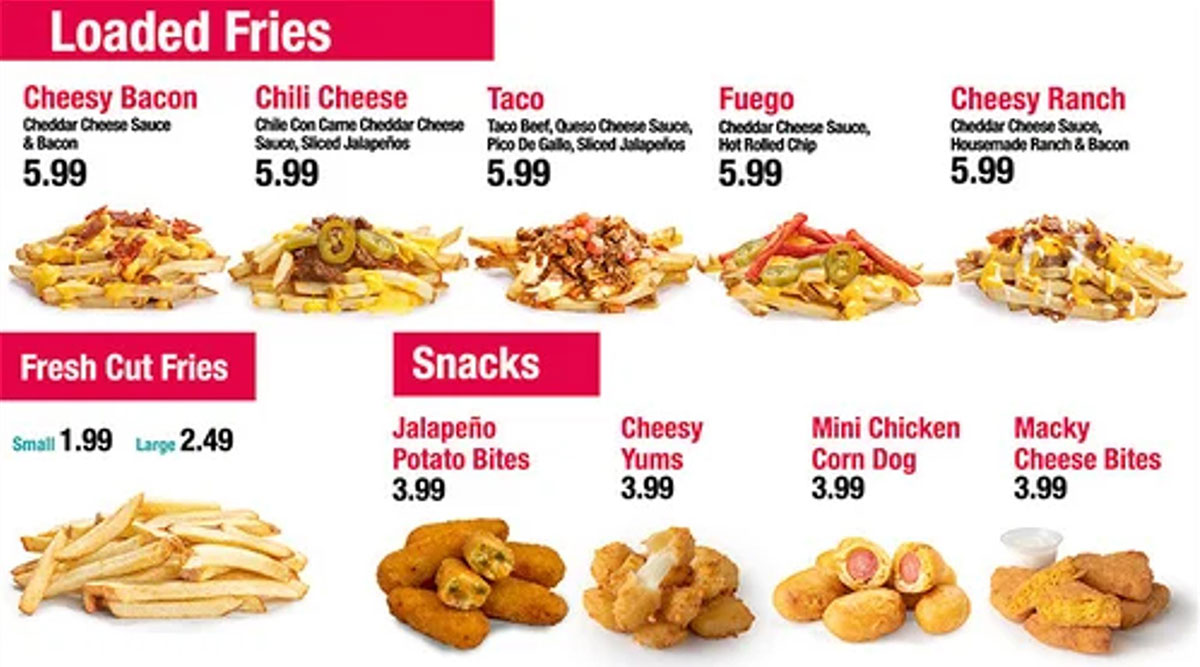
Professionally shot food photography sells before a single word is read. The visual menu leads with images in a grid layout, bursting with color pulled straight from the food itself, making the whole experience feel cohesive and alive. Scrolling through it feels less like browsing a menu and more like flipping through the most appetizing feed you have ever seen. Every dish gets a hero image paired with a short, punchy flavor description that seals the deal.
We eat with our eyes first. A photo-rich menu doesn’t just show food, it triggers desire. It creates anticipation. It gives your guest permission to be excited.
Best For: Casual dining, burger joints, brunch spots, cafés, and restaurants with a strong visual brand identity on social media.
Food digital menu board ideas are overhead screens used in many restaurants and cafes. They display food items, prices, and special offers. Owners can update them quickly without printing new menus. Bright visuals attract attention and help customers choose faster. They also create a modern look and improve the overall service experience. They reduce mistakes and make ordering clearer during busy hours every day.
Keep a minimum font size of 40-60 points for primary items when viewed from 3 meters away. High contrast is essential. Limit each screen to six or eight items at most. Use animated transitions, such as fades rather than fly-ins. Consider dayparting to automatically switch between breakfast and lunch menus.
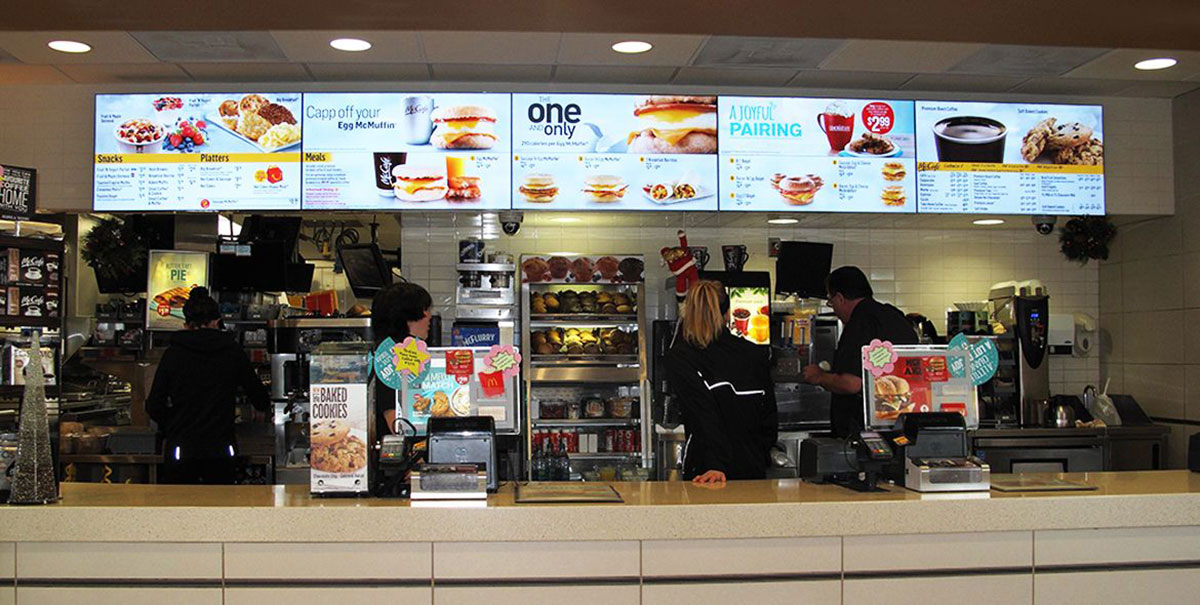
Digital menu boards at McDonald's have redefined what fast food ordering looks and feels like. Mounted above every counter, these large screens glow with bold typography, high contrast layouts, and rotating promotional slides designed to be read instantly from several meters away.
No squinting, no confusion, no hesitation. Dayparting technology automatically switches the display between breakfast, lunch, and dinner menus at exactly the right moment, keeping the experience seamless at every hour. For a brand serving millions of customers daily, the digital menu board is a critical operational tool that keeps lines moving, decisions easy, and the entire ordering experience effortless.
A digital menu board makes ordering feel effortless. When a customer can scan the entire menu at a glance, without asking, that’s confidence and comfort.
Best For: Quick-service restaurants, counter service, fast casual, food courts, and drive-through operations.
Touchscreen devices at the table or counter are fully integrated with the POS system for real-time order transmission. They include upsell prompts, combo suggestions, and loyalty point tracking, all wrapped in an intuitive interface.
Tap targets should be at least 44 pixels. Progress indicators must be clear. Checkout follows three steps: cart, review, and pay. A prominent "Call Server" button keeps humans just one tap away.
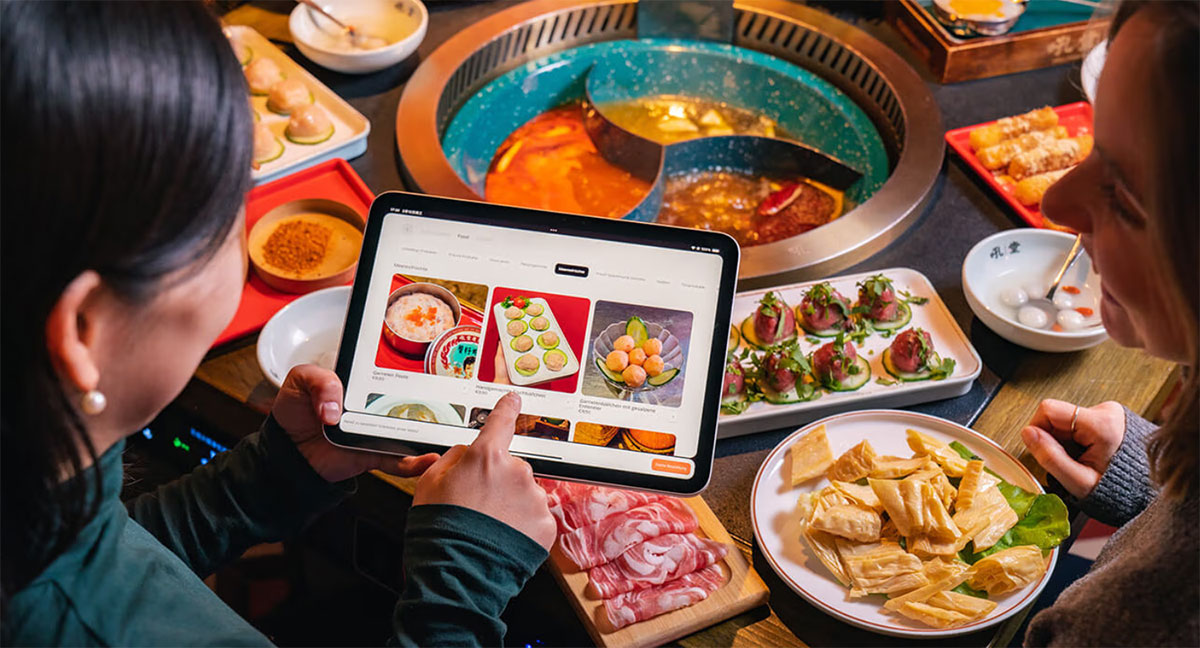
Tablet ordering at Calavera puts control entirely in the guest's hands, and that changes how people dine. Touchscreen devices sit at each table, fully integrated with the kitchen's POS system, so guests can browse, customize, and place orders at their own pace. No rushing, no flagging down a server, no pressure to decide before they're ready. Upsell prompts appear naturally, combo suggestions feel helpful rather than pushy, and loyalty points update in real time. Guests explore more of the menu, spend more time with it, and order more, not because they were pushed, but because they had the space to choose freely.
Control is comfort. When guests order at their own pace, they explore more, customize more, and spend more. Not because they're being pushed, but because they're being given space.
Best For: Fast casual restaurants, family dining, hotel room service, airport lounges, and any venue where speed and upselling matter.
Seasonal and dynamic menus change throughout the year. They use fresh ingredients that match each season. This keeps the food tasty and interesting. Restaurants often add new dishes and remove old ones. Such digital menu design ideas attract repeat customers seeking something new. It also lets chefs be creative and easily follow current food trends.
Seasonal framing increases conversion by 18 to 25 percent by creating urgency. It reduces waste by automatically updating availability. And it keeps the experience fresh for repeat customers.
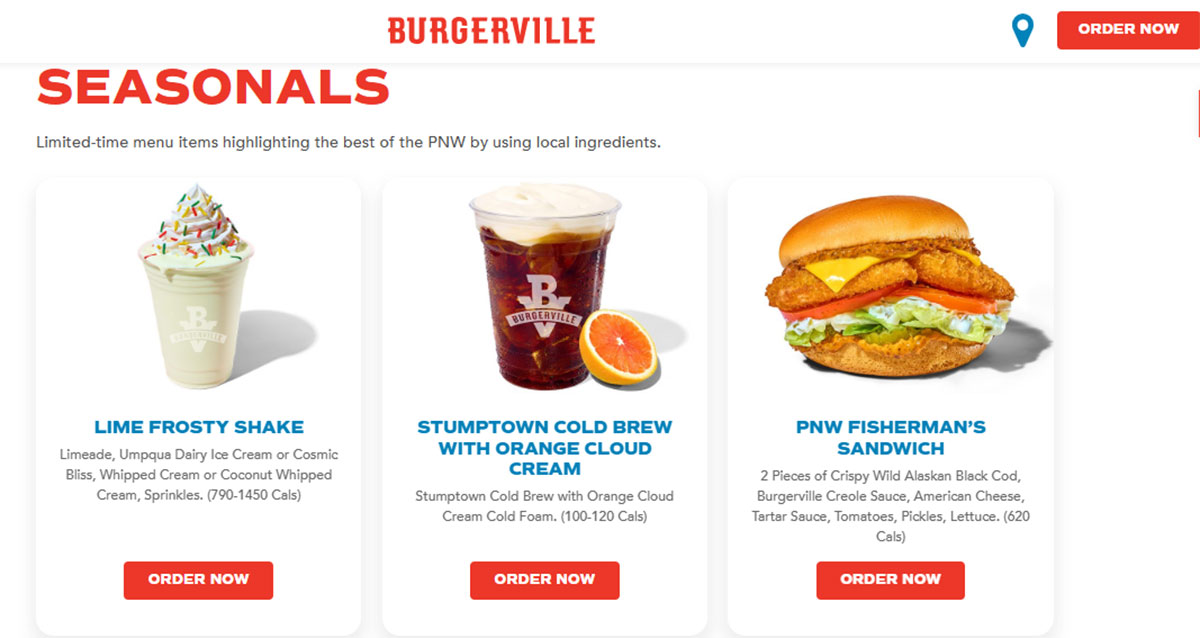
Burgerville has built its reputation on seasonal, locally sourced ingredients, and its digital menu brings that same thinking to the table. As the seasons change, new specials appear, and old ones quietly rotate out. Summer colors and fresh produce give way to warmer autumn tones and heartier dishes. When something sells out, it disappears from the screen immediately, no awkward explanations needed. That kind of responsiveness cuts waste and keeps the experience feeling intentional.
A dynamic menu says, "We’re paying attention." To the seasons. To you. To this moment. It transforms a routine visit into something that feels curated and alive.
Best For: Farm-to-table restaurants, seasonal cafés, bakeries, ice cream shops, and restaurants with rotating specials or daypart-driven menus.
A multilingual digital menu displays food options in multiple languages. It helps tourists and customers who speak other languages. People can read descriptions, see prices, and order without confusion. This makes the restaurant more welcoming and easy to use. It also reduces ordering errors and improves the overall dining experience for everyone.
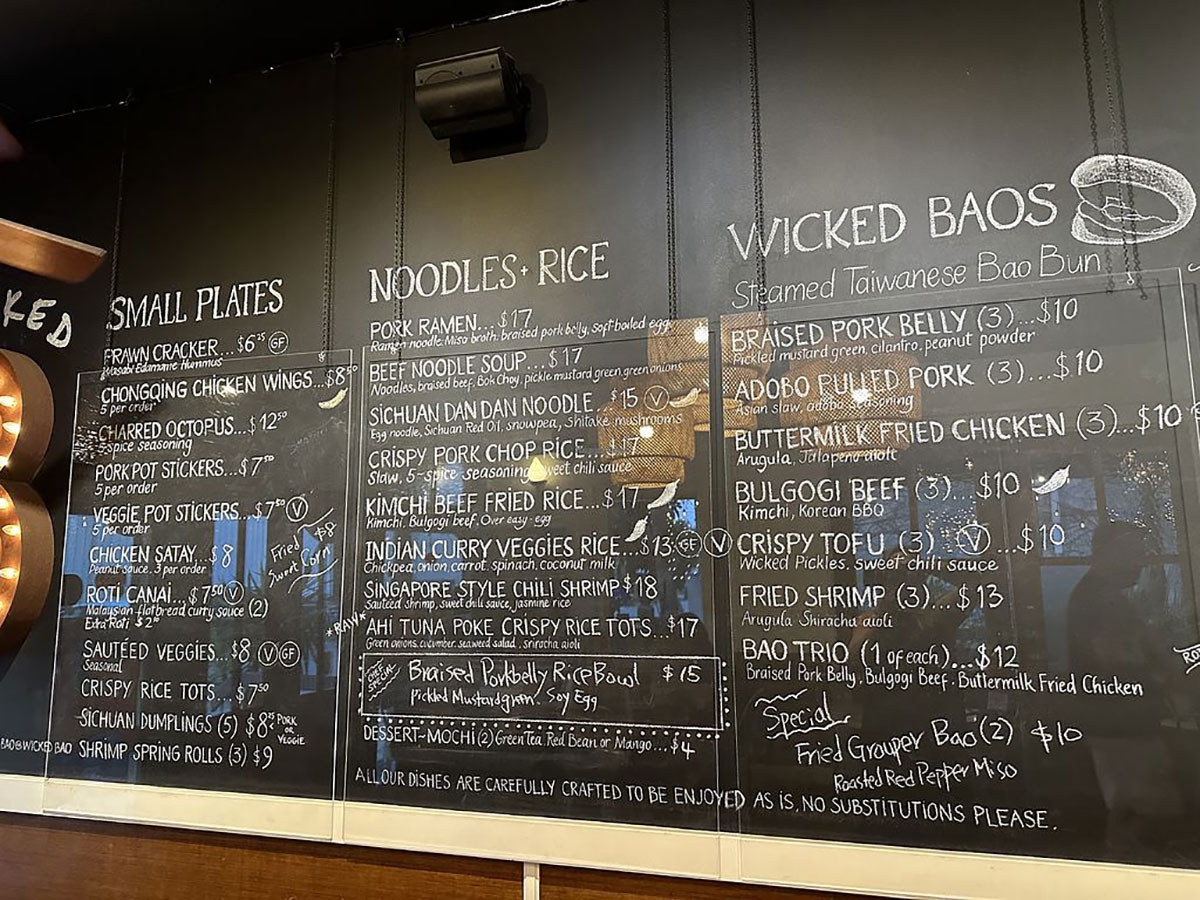
At Wicked Bao, a multilingual digital menu does something no amount of signage or table cards ever could. The moment a guest opens the menu on their phone, they feel genuinely welcome. A simple language selector or automatic browser detection shifts everything into their native tongue, with professionally translated dish names and descriptions that keep all the original warmth and personality intact.
Language is one of the most powerful forms of respect. When a guest opens your menu and sees it in their native tongue, that is not a feature. That is a welcome. It says: ‘You belong here.’
Best For: Restaurants in tourist areas, international cities, airports, ethnic cuisine restaurants, and hotel dining venues.
An allergen-focused menu clearly shows foods that may cause allergies. It lists common allergens like nuts, dairy, and gluten. Customers can easily see what is safe to eat. This helps people with allergies order without worry. It makes the restaurant safer and more welcoming. Clear labels also reduce mistakes and improve the dining experience for everyone.
Clear allergen information reduces liability and builds deep customer trust. Restaurants with allergy-friendly menus attract a wider, more grateful customer base.
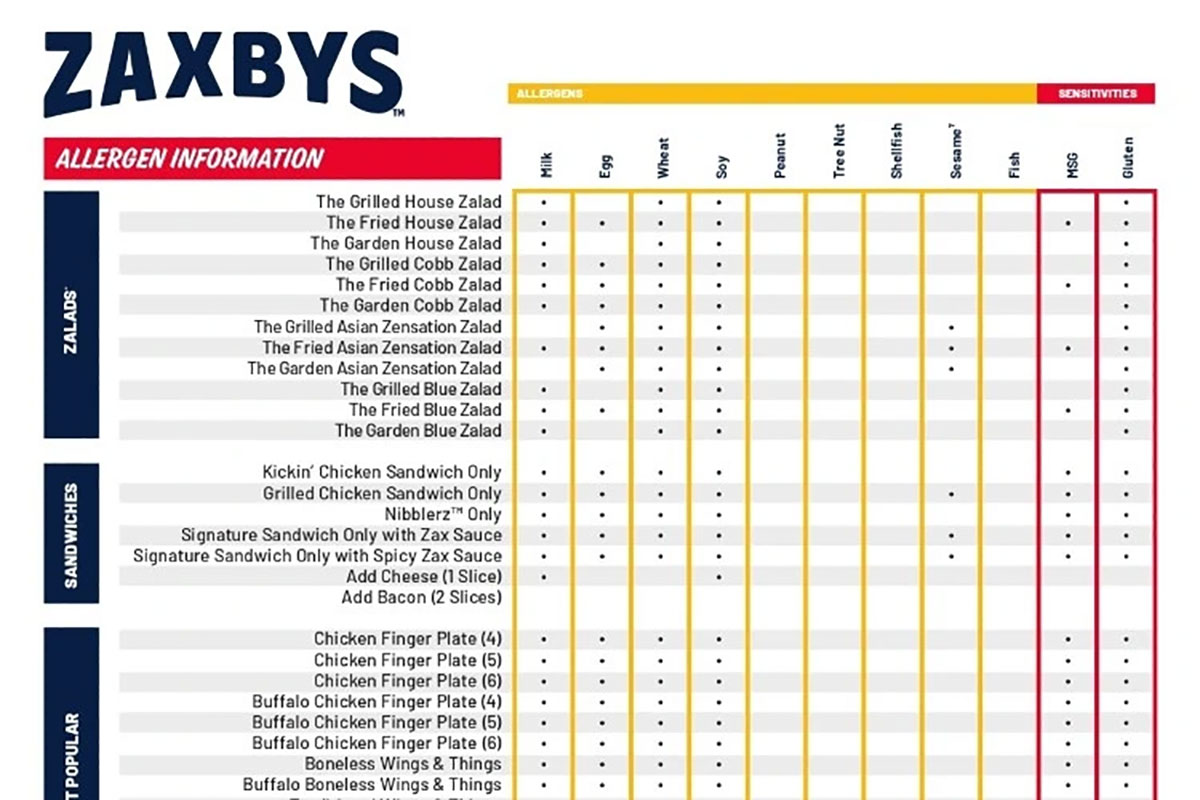
For guests with food allergies, walking into a restaurant can carry an anxiety that most people never think about. Zaxby's allergen-focused digital menu works to eliminate that anxiety entirely. Prominent allergen icons appear beside every dish, clearly identifying common triggers at a glance. A powerful filter lets guests hide any items containing ingredients they need to avoid. The menu also meets WCAG 2.1 AA accessibility standards, supporting screen readers and high-contrast display modes for guests with visual impairments.
When someone with a severe food allergy can order with confidence, without anxiety or fear, that's freedom. Your menu gave them that. They will remember it.
Best For: All restaurants benefit, especially family dining spots, university dining halls, hospital cafés, and establishments that value inclusivity.
A branded storytelling menu shares the restaurant’s story and style. It may include notes from the chef about each dish. These notes explain flavors, ingredients, or inspiration. This helps customers feel more connected to the food. It adds a personal touch to the dining experience. It also makes the menu more interesting and memorable for guests.
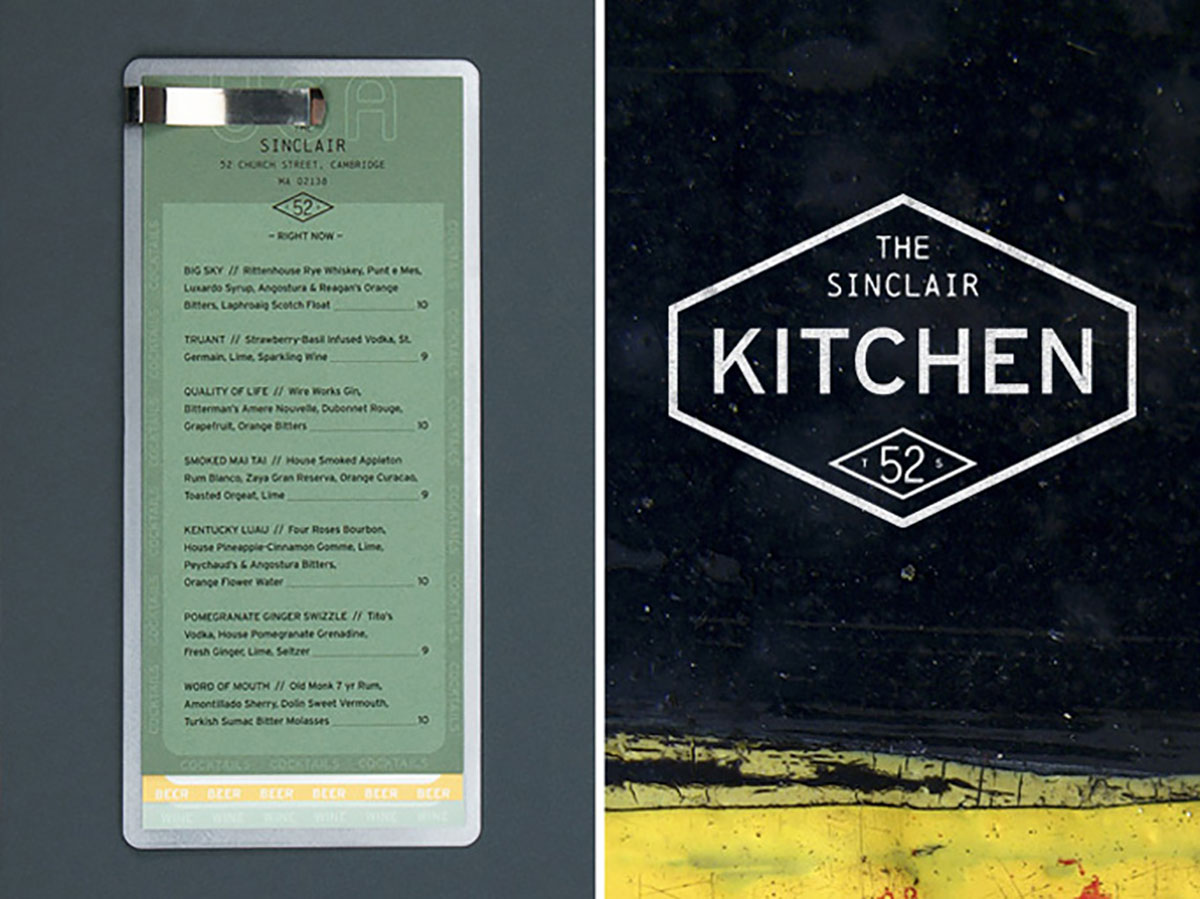
The Sinclair understands something that many restaurants overlook entirely. Guests do not just want to eat. They want to connect. The branded storytelling menu here opens each section with a short, beautifully written passage about the origin of a dish, the philosophy behind an ingredient, or the personal story of the chef who created it. Warm photography and short video clips sit beside signature items, giving faces and voices to the food on the plate. The language throughout is conversational, human, and deeply felt rather than corporate or transactional. At The Sinclair, the menu is not a list. It is a narrative, and every guest is invited into it.
Storytelling digital menu design ideas increase perceived value. Customers are willing to pay 5 to 15 percent more when they understand the story behind the food, and that connection drives social sharing and genuine loyalty.
Best For: Farm-to-table restaurants, heritage cuisine, tasting menu venues, craft breweries, and any brand with a compelling origin story.
A video-enabled menu shows short clips of dishes. This interactive restaurant menu help customers see how food looks and is made. It makes choosing meals easier and more fun. People can quickly understand flavors and portions. Such a menu adds a modern touch to the restaurant. It also grabs attention and improves the overall dining experience.
Video-enabled items see 40 to 80 percent higher click-through rates. They work especially well for drinks, desserts, and sizzling or theatrical dishes. Proper video hosting through Cloudflare Stream or Mux ensures fast load times.
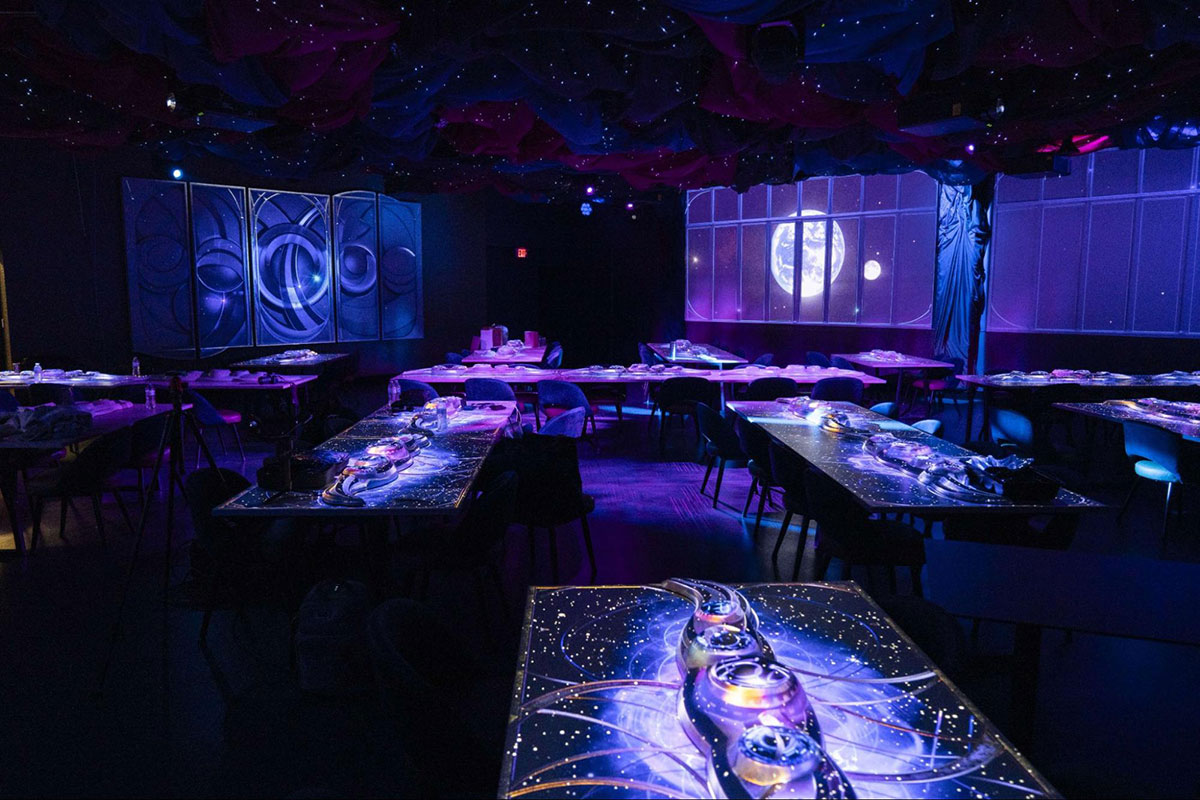
At Imaginate Restaurant, the digital menu does something no static image or written description ever could. It moves. Short video clips loop silently beside featured dishes, capturing the sizzle of a pan, the slow pour of a sauce, the theatrical moment a dessert is finished tableside. These aren't polished advertisements. They're intimate, appetite-driven previews that make the food feel immediate and real before it leaves the kitchen.
Video bypasses logic and speaks directly to desire. A photo can tempt. A description can intrigue. But a video? A video seduces. It makes the decision feel less like a choice and more like an inevitability.
Best For: Restaurants with theatrical dishes, dessert bars, cocktail lounges, and any venue where the visual preparation is part of the appeal.
An AI-powered menu that surfaces personalized suggestions based on past order history. Time-of-day and weather-aware recommendations. Loyalty program integration that highlights items the customer hasn’t tried yet.
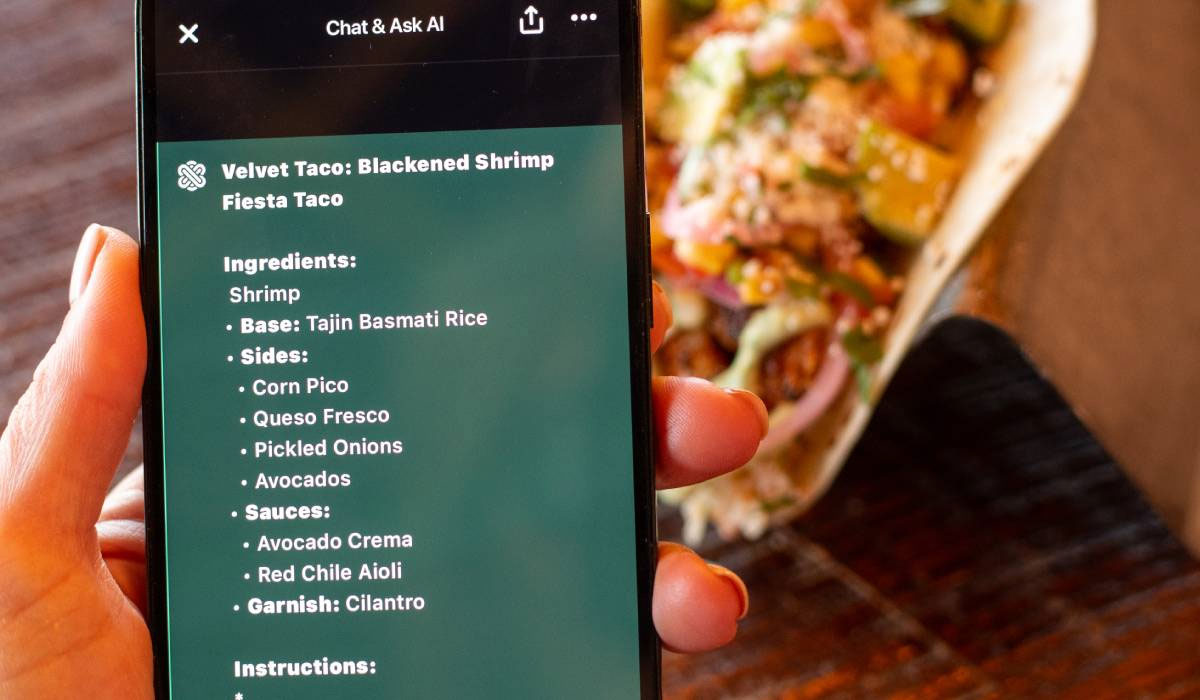
Velvet Taco has embraced AI-powered menu personalization in a way that feels less like technology and more like genuine hospitality. Returning guests see a menu that already knows what they love, surfacing favorite orders alongside smart suggestions for dishes they haven't tried yet, based on their taste history and ordering patterns. Time of day and local weather subtly shape what gets recommended, making every visit feel relevant. Loyalty program integration tracks points in real time and highlights exclusive rewards, keeping guests engaged and coming back.
Personalization is the highest form of attention. When a menu remembers what you love, suggests something new based on your taste, and greets you with relevance, that is not technology. That is hospitality at scale. And in 2026, the restaurants that master this will own the future.
Best For: Chain restaurants with loyalty programs, high-frequency casual dining, coffee shops, delivery-first brands, and tech-forward dining concepts.
You’ve seen the best digital menu design ideas for restaurants. You’ve seen the real-world examples. Now comes the practical question: which one is right for you?
The answer lives at the intersection of your brand identity, your guests’ expectations, and your operational reality.
Decision Matrix by Restaurant Type
| Restaurant Type | Recommended Menu Format | Primary Focus |
|---|---|---|
| Fast Food / QSR | Digital menu board + kiosk tablet | Speed & upselling |
| Casual Dining | QR code menu or tablet ordering | Engagement & accuracy |
| Fine Dining | Minimalist QR or storytelling menu | Brand & experience |
| Café / Bakery | Photo-rich or dynamic (time-of-day) menu | Visual appeal & rotation |
| Hotel / Resort | Multilingual + allergen-focused | Accessibility & trust |
What is your average table turnover time? High turnover favors speed-focused formats like kiosks and menu boards, while low turnover rewards experience-rich formats like storytelling menus.
Does your restaurant branding rely heavily on visual presentation or narrative? Photo-rich and video-enabled menus reward visual brands, while storytelling menus serve narrative-driven ones.
What is your budget for technology and ongoing content management? Free QR code builders suit tight budgets, while AI-powered personalization requires investment in data infrastructure.
Are most of your customers repeat visitors or first-time diners? Repeat visitors benefit from personalization and dynamic menus, while first-timers need clarity and visual appeal.
These are the most common FAQs about digital menu design from restaurant owners, designers, and food entrepreneurs. We’ve answered each one with care, because we know your time is precious and your decisions matter.
Costs range from free (using tools like Menu Tiger or QR Tiger) to $50–$300/month for full-featured platforms with POS integration, analytics, and video support. Custom-designed menus from graphic design agencies may cost $500–$ 5,000 or more as a one-time fee.
Top platforms include Toast, Square for Restaurants, Flipdish, MenuDrive, and Yodeck for menu boards. Your best choice depends on whether you need POS integration, analytics, multilingual support, or video capabilities.
Yes. Restaurants using QR code menus report a 10–25% increase in average order value, largely because customers browse longer without server pressure and encounter upsell prompts organically.
Use 1200×800px (4:3 ratio) at 72 DPI. Keep each image under 200KB to ensure fast loading on mobile devices.
Digital menus are easier to update, more cost-effective in the long term, and support features like allergen filters and upsells. Printed menus feel more premium, but can't be updated instantly. Most successful restaurants use both strategically.
Use 43–55-inch screens for overhead counter displays and 32–43-inch screens for eye-level mounting. Minimum font size should be 40–60pt for readability at a 3–6 meter viewing distance.
Yes. Digital menu boards boost sales by an average of 3–5%, with some restaurants reporting up to 8% lifts when using dynamic content, animations, and peak-hour promotions.
You need a commercial-grade display screen, a media player or smart TV with app support, content management software (CMS), a reliable internet connection, and a professionally designed menu sized for your screen resolution.
Your digital menu design ideas are the first conversation your customers will have. So, it should leave them wanting more. From Eleven Madison Park's 28-word masterpiece to Starbucks' AI, every idea in this article points to the same quiet truth: the restaurants that win aren't just feeding people, they're designing moments.
The format you choose is never just a technical decision. It's a creative one. So if you're sitting with a half-formed vision of what your restaurant's digital menu could look like, that's exactly the right place to start. From here, you might want to explore restaurant branding strategy, menu typography choices, or why food photography is important, which can make even a simple dish feel unmissable on screen.
And when you're ready to stop imagining and start building, Graphic Design Eye LLC provides custom digital menu design service and full restaurant brand identities. Since your restaurant has a specific story, your digital menu design should tell it in a way no one else can.
Great food deserves a menu worthy of it. Let’s see what's possible with us!